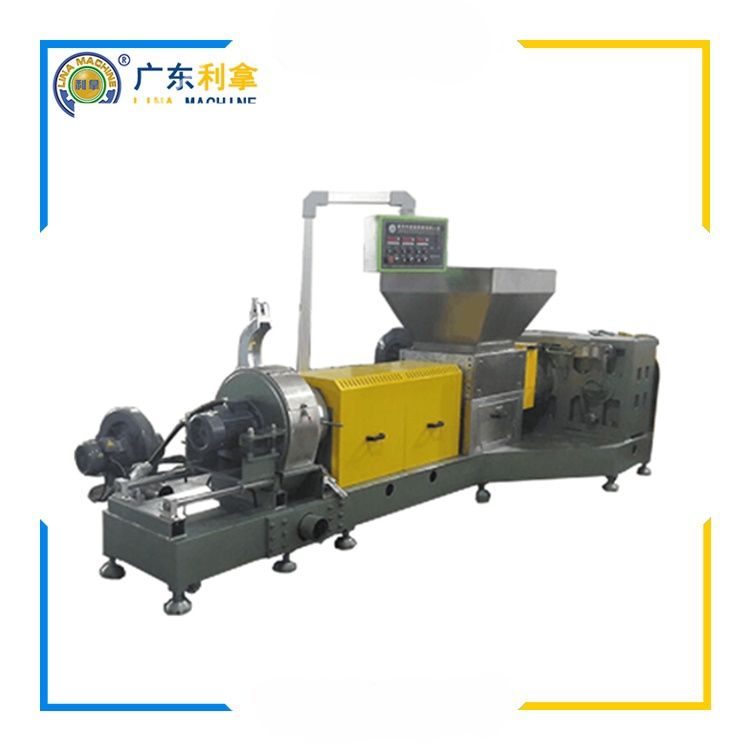
The Role of EVA, TPR, and PVC in the Manufacturing of Particles
The production of plastic particles is a crucial step in the manufacturing process of various plastic products. In this article, we will discuss the three most commonly used materials for producing plastic particles, namely EVA (Ethylene Vinyl Acetate), TPR (Thermoplastic Rubber), and PVC (Polyvinyl Chloride).
EVA is a thermoplastic elastomer that is widely used in the production of plastic particles. It is a flexible material that can be molded into various shapes and sizes. EVA is also known for its durability and resistance to wear and tear, making it an ideal material for use in industrial applications.
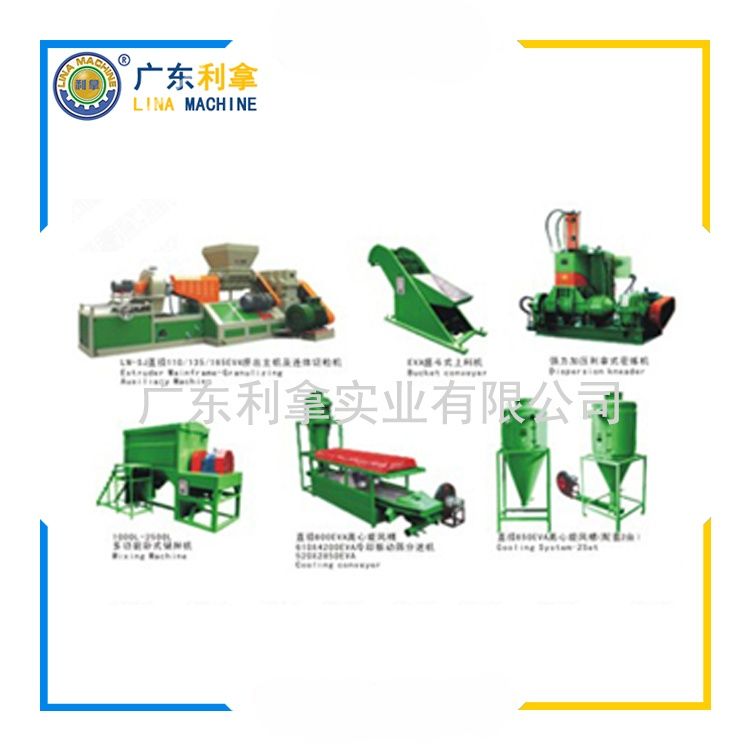
TPR is a thermoplastic rubber that is used in the production of plastic particles. It is a softer material than EVA and is often used in applications where flexibility is required. TPR is also known for its ability to withstand high temperatures and pressure, making it a popular choice for use in automotive and medical applications.
PVC is a thermoplastic polymer that is commonly used in the production of plastic particles. It is a rigid material that is easy to mold and has good chemical resistance. PVC is also known for its low cost and wide availability, making it an economical option for many industries.
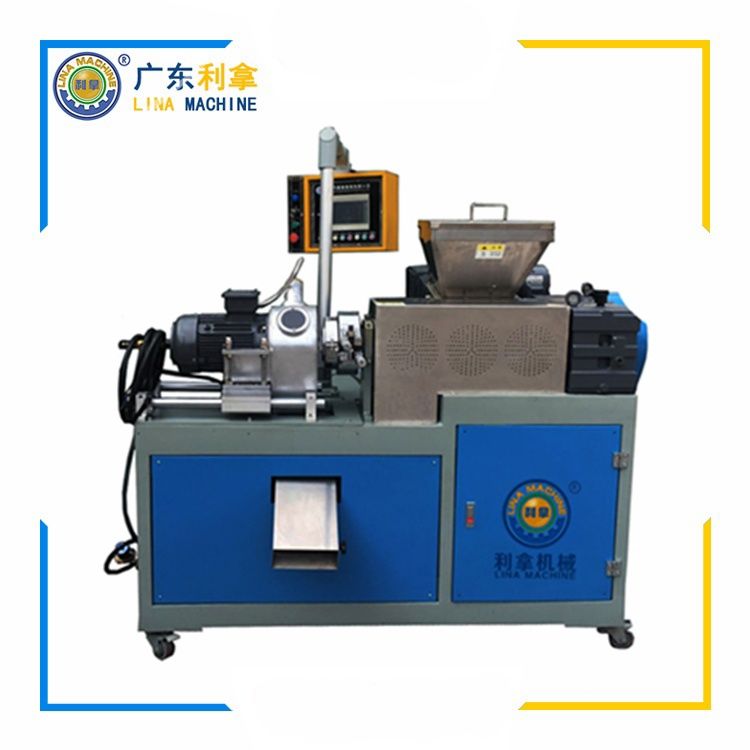
In summary, EVA, TPR, and PVC are all important materials for producing plastic particles. Each material has its own unique properties and benefits, making them suitable for different applications. By understanding the advantages and disadvantages of each material, manufacturers can choose the best option for their specific needs.