
The Advantages and Applications of Powder Metallurgy Vacuum Mixing Machines
Powder metallurgy (PM) is a process wherein metallic powders are compacted into a solid form through a combination of mechanical pressure and heat. This method is widely used in the automotive, aerospace, and electronics industries for its ability to produce high-quality components with minimal defects. One of the critical steps in PM processes is the vacuum mixing stage, which involves the application of vacuum pressure to facilitate the fusion of the powder particles and improve the overall quality of the final product. In this article, we will explore the advantages of using vacuum mixing machines in PM processes and discuss their applications.
One of the primary benefits of using vacuum mixing machines in PM processes is the reduction in porosity and density. During the compaction phase, the presence of air pockets can lead to weaker bonding between the powder particles, resulting in reduced strength and durability. By using vacuum mixing machines, these air pockets are effectively removed, leading to a more dense and robust component. Additionally, the use of vacuum pressure during the mixing process also helps to eliminate any impurities or foreign materials that may be present in the powder, further enhancing the quality of the final product.
Another advantage of vacuum mixing machines in PM processes is their ability to achieve uniform distribution of the powder throughout the compacted material. During the compaction phase, it is crucial to ensure that the powder is evenly distributed throughout the mold, as this can lead to uneven compression and potentially reduce the strength of the component. By using vacuum mixing machines, this issue is easily resolved, as the machine's advanced control system ensures that the powder is evenly distributed throughout the mold.
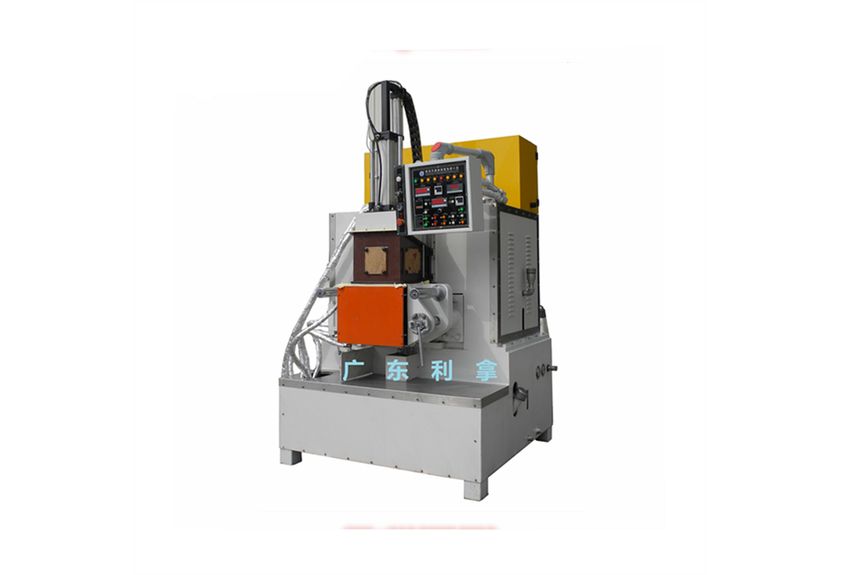
In addition to these technical advantages, vacuum mixing machines also offer significant cost savings compared to traditional methods. Since they require less energy and generate fewer waste products, they can significantly reduce operational costs. Furthermore, the use of vacuum mixing machines in PM processes can also help to improve productivity by reducing downtime and increasing efficiency.
Finally, vacuum mixing machines have found wide application in various industries beyond PM. For example, they are commonly used in the production of electronic components such as capacitors, inductors, and transistors. In the automotive industry, vacuum mixing machines are used to produce parts such as engine blocks, transmissions, and suspension systems. In the aerospace industry, they are used to manufacture components such as engines, propellers, and fuel tanks.
1. Powder metallurgy
2. Vacuum mixing machines
3. Powder compaction
4. Quality improvement
5. Cost savings
This article provides an in-depth analysis of the benefits and applications of vacuum mixing machines in powder metallurgy (PM) processes. We discuss how vacuum mixing machines can reduce porosity and density, achieve uniform distribution of the powder, and improve the overall quality of the final product. We also highlight the significant cost savings and increased productivity that these machines offer over traditional methods. Finally, we provide examples of their wide application in various industries beyond PM, including electronics, automotive, and aerospace.