
The Art of Ceramic Powder Compaction and Granulation in a Single Integration
The ceramic industry is one of the most dynamic sectors, with the demand for high-quality ceramic products constantly increasing. To meet this demand, the development of advanced manufacturing technologies has become crucial. One such technology is the ceramic powder compaction and granulation process, which involves the creation of uniform and consistent ceramic materials through a series of complex steps. In this article, we will explore the concept of a single integration machine that can perform both compaction and granulation operations, providing a comprehensive overview of its features, advantages, and applications.
The ceramic powder compaction and granulation process is a crucial step in the production of ceramic materials. It involves the formation of a dense structure by packing the ceramic powder particles together to form a solid mass. This process requires precise control over the compaction pressure, temperature, and time to achieve optimal results. The compaction stage typically uses a mechanical force to compress the powder particles into a more compact structure, while the granulation stage involves shaping the compacted material into desired shapes and sizes.
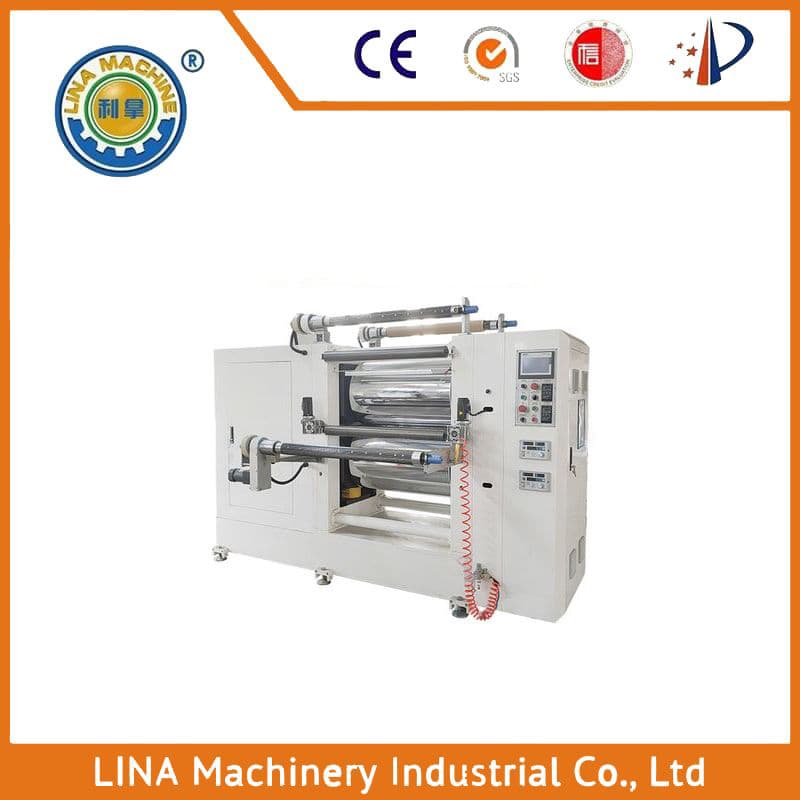
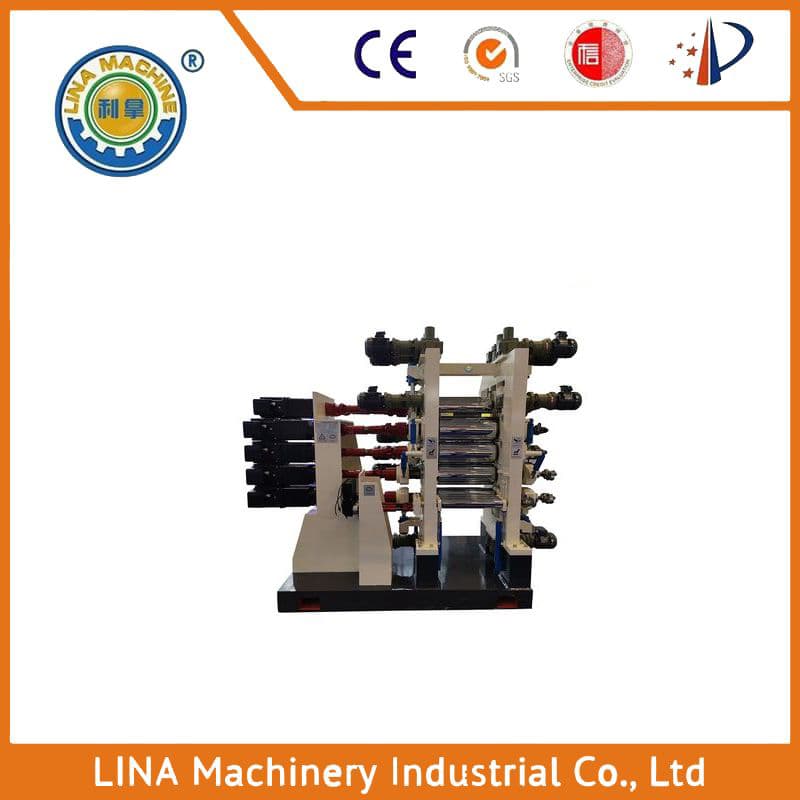
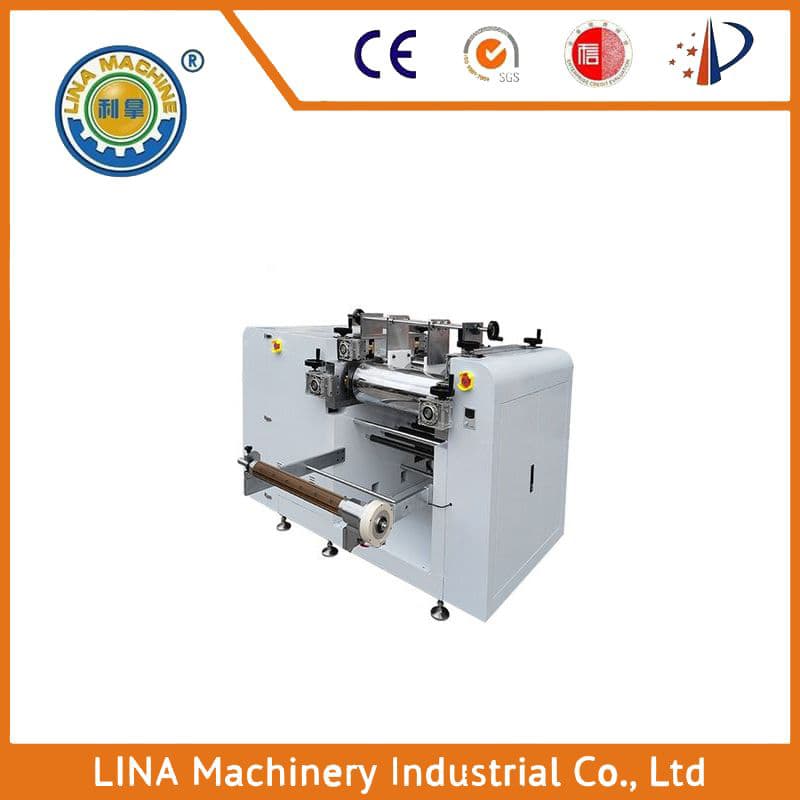
A single integration machine for ceramic powder compaction and granulation is designed to perform these two operations simultaneously, reducing the need for separate machines and labor. This machine integrates various components such as a compactor, granulator, and heating system, allowing for a seamless workflow from powder preparation to finished product.
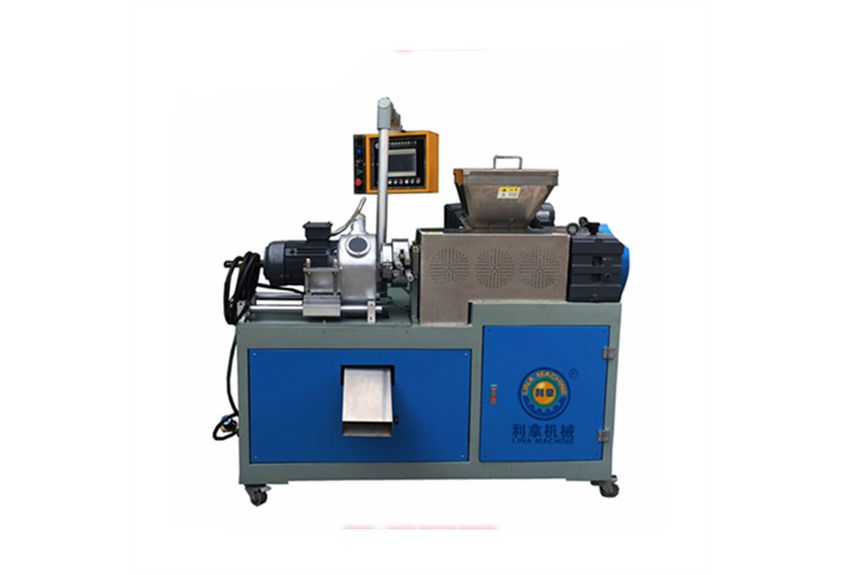
One of the key features of this single integration machine is its ability to handle a wide range of ceramic powders, including different particle sizes and shapes. The machine's design ensures that the compacted material remains uniform and consistent throughout the entire process, regardless of the type of ceramic powder used.
Another advantage of this single integration machine is its flexibility in terms of processing speed and efficiency. By integrating multiple functions into a single machine, it can produce high-quality ceramic materials quickly and efficiently, saving time and resources.
In addition to its technical advantages, this single integration machine also offers cost savings for manufacturers. By eliminating the need for separate machines and labor, it reduces equipment costs and operational expenses.
Applications of this single integration machine are diverse, ranging from industrial applications such as automotive parts and electronic devices to consumer goods like kitchenware and jewelry. Its ability to produce high-quality ceramic materials with minimal waste and energy consumption makes it an ideal choice for modern manufacturing processes.
In conclusion, the ceramic powder compaction and granulation process is a critical step in the production of ceramic materials. A single integration machine that can perform both operations simultaneously offers numerous benefits, including improved efficiency, cost savings, and flexibility. As the ceramic industry continues to evolve, this technology will play an increasingly important role in meeting the demands of modern manufacturing.