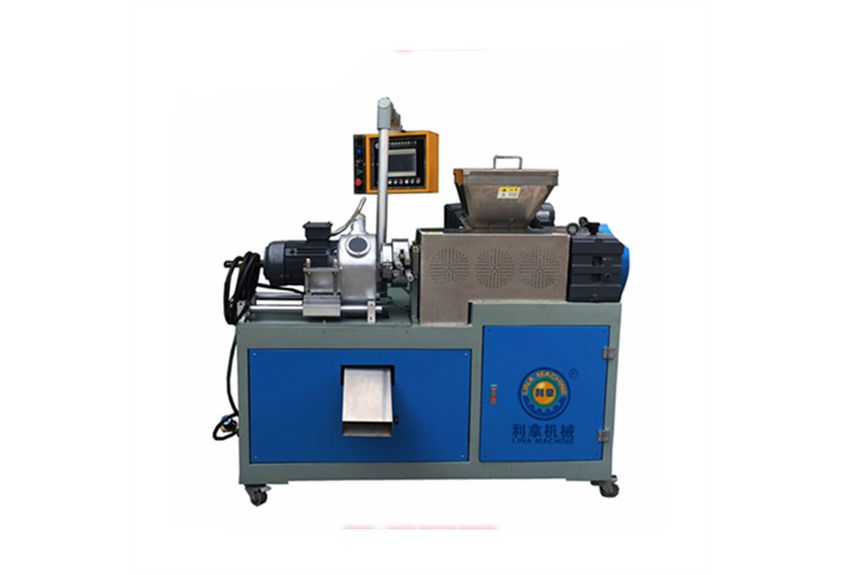
The Art of Particle Formation in Ceramic Powder Making Machines
Ceramic powder making machines are an essential tool in the ceramic industry, allowing for the creation of finely dispersed ceramic powders. These machines use various techniques to break down raw materials into a uniform and consistent particle size, which is crucial for the final product's quality and performance. In this article, we will explore the different types of ceramic powder making machines available and their unique features.
One of the most common types of ceramic powder making machines is the ball mill. This machine uses grinding media to break down raw materials, resulting in a uniform distribution of particles. Ball mills are ideal for producing high-quality ceramic powders that meet specific particle size requirements. Another popular type of machine is the rod mill, which uses a rotating rod to crush and grind the raw materials. This method produces a more evenly distributed particle size, making it ideal for producing ceramic powders with a narrow particle size distribution.
In addition to these traditional methods, modern ceramic powder making machines utilize advanced technologies such as ultrasonic vibration and laser technology. Ultrasonic vibration can be used to break down raw materials into smaller particles, while laser technology can be used to refine the particle size distribution. These advanced techniques offer significant advantages over traditional methods, including faster processing times and improved particle size control.
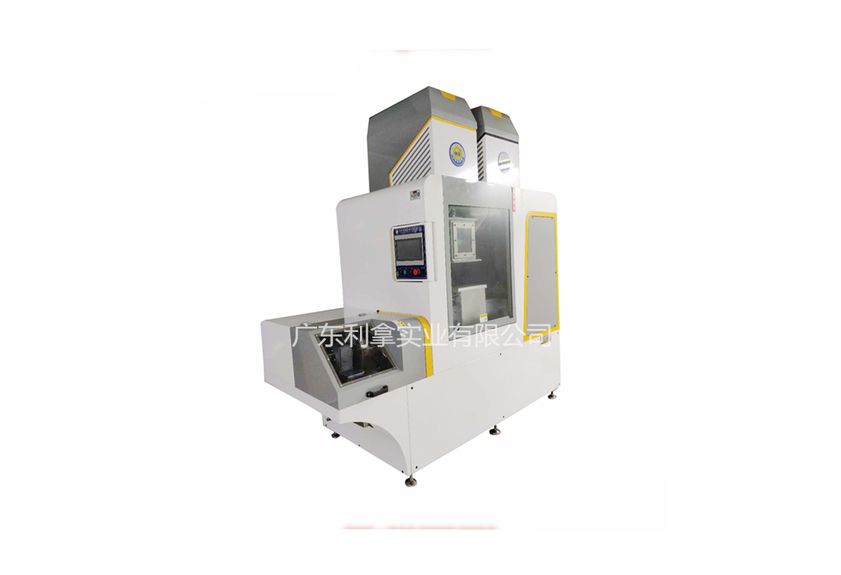
When selecting a ceramic powder making machine, it is important to consider the specific needs of the project. For example, if you require a high-quality ceramic powder with a narrow particle size distribution, a rod mill may be the best option. On the other hand, if you need a large-scale production process, a ball mill or ultrasonic vibration system may be more suitable.
In conclusion, ceramic powder making machines play a crucial role in the ceramic industry by enabling the creation of finely dispersed ceramic powders. By understanding the different types of machines available and their unique features, businesses can select the appropriate equipment to meet their specific needs and achieve optimal results.