



The Laboratory Mixing Machine
The laboratory mixing machine is an essential tool for the chemical and pharmaceutical industries. It is used to mix, knead, and blend a variety of materials, including powders, liquids, and solids, in order to achieve desired physical and chemical properties. This versatile machine has become increasingly popular in recent years due to its ability to handle complex mixtures and produce high-quality products with minimal waste.
One of the key features of a laboratory mixing machine is its ability to precisely control the temperature and pressure during the mixing process. This allows for the creation of homogeneous mixtures that are free from impurities and contaminants, which can be particularly important in the pharmaceutical industry. Additionally, many modern lab mixers come equipped with advanced sensors and algorithms that allow for real-time monitoring of the mixing process, ensuring optimal results every time.
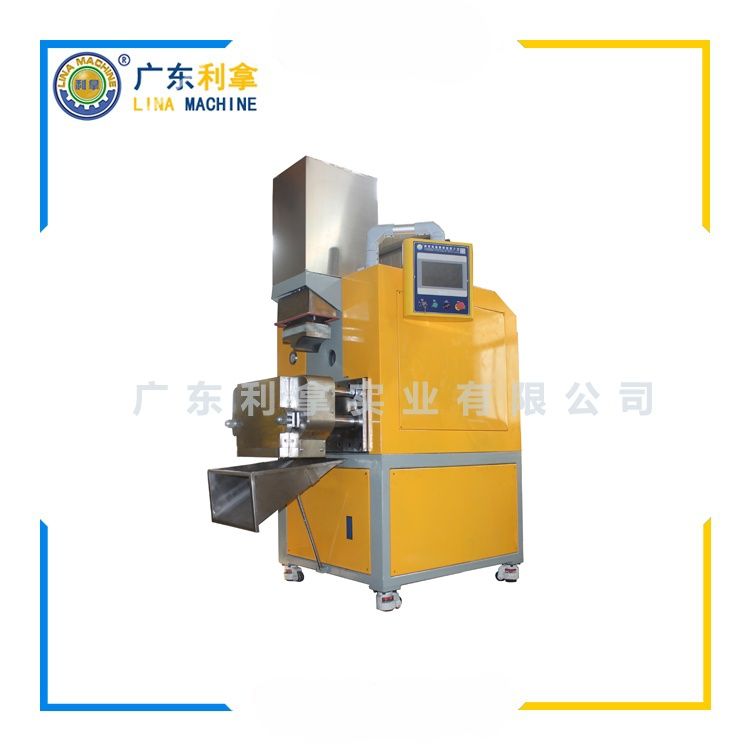
Another advantage of laboratory mixing machines is their versatility. They can be used for a wide range of applications, from simple batch production to complex research projects. Whether you need to mix ingredients for a new drug or create a custom formulation, a lab mixer can help you achieve your goals quickly and efficiently.
In addition to their practical applications, laboratory mixing machines also have a significant impact on the environment. By using energy-efficient designs and reducing waste, these machines help minimize their carbon footprint and contribute to a more sustainable future. As such, they are becoming increasingly popular among environmentally conscious individuals and organizations alike.
1. Laboratory Mixing Machine
2. Chemical Industry
3. Pharmaceutical Industry
4. Homogeneous Mixtures
5. Energy Efficiency
This article provides an in-depth overview of the Laboratory Mixing Machine, highlighting its importance in the chemical and pharmaceutical industries. We explore the key features that make this versatile tool stand out, including its ability to precisely control temperature and pressure during the mixing process, as well as its versatility and impact on the environment. By understanding the benefits of using a lab mixer, we hope to inspire readers to consider investing in one for their own projects or businesses.