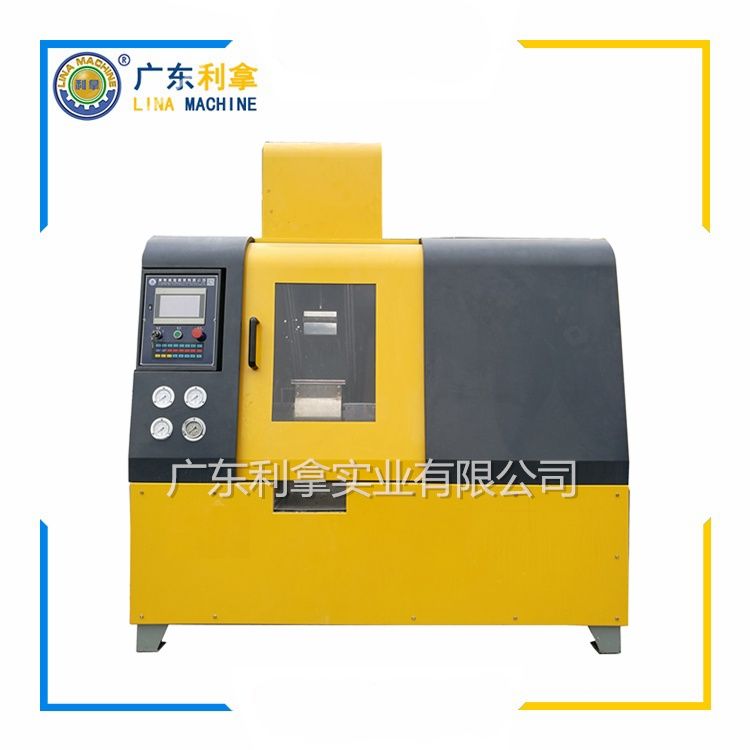
The Role of Hydraulic Flippers in the Production Process
Hydraulic flippers are an essential part of the production process in the rubber and plastic industry. They play a crucial role in the mixing, kneading, and compacting of materials, resulting in a uniform and consistent product. In this article, we will explore the importance of hydraulic flippers and their impact on the overall production process.
Firstly, hydraulic flippers are designed to handle large batches of material efficiently. They have a high capacity and can mix multiple materials at once, reducing the time required for each batch. This is particularly beneficial in large-scale production facilities where resources are limited.
Secondly, hydraulic flippers are highly versatile and can be used in various applications. They can be used in both manual and automated settings, depending on the specific requirements of the production process. For example, in automated settings, hydraulic flippers can be programmed to perform specific tasks such as rotating, turning, and compacting materials.
Thirdly, hydraulic flippers are highly reliable and durable. They are made from high-quality materials that are resistant to wear and tear, ensuring long-lasting performance. Additionally, they come with advanced features such as safety mechanisms and automatic shut-off systems, which further enhance their reliability.
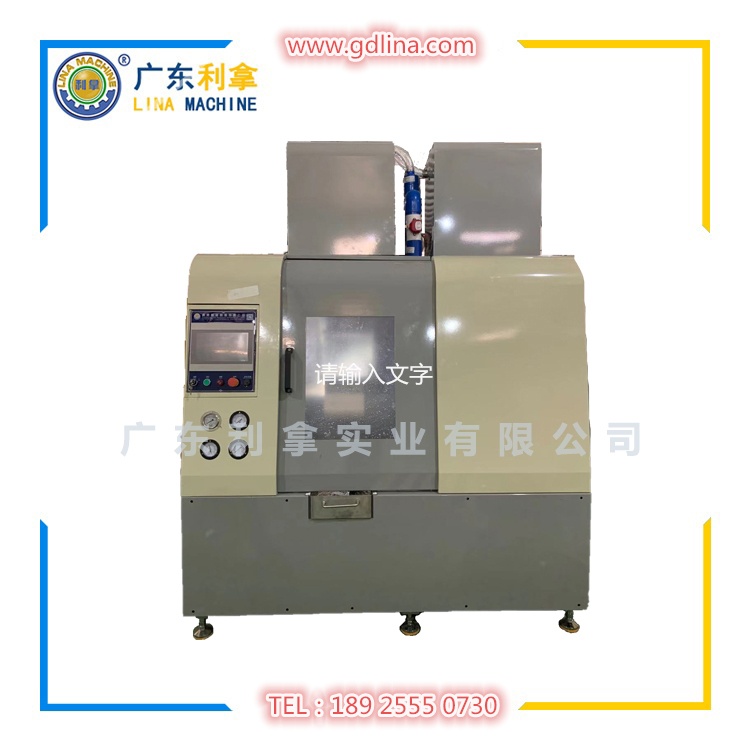
Finally, hydraulic flippers are cost-effective. Compared to other mixing equipment, they offer significant savings in terms of energy consumption and maintenance costs. This makes them an attractive option for businesses looking to optimize their production processes while minimizing expenses.