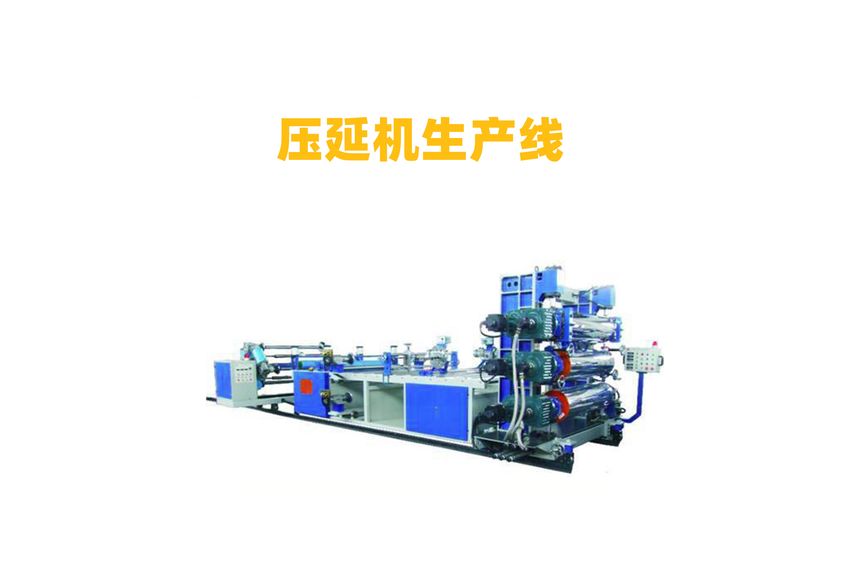
The Development of Hydrogen Fuel Cell Bipolar Plate Rolling Line
The development of hydrogen fuel cell technology has been a significant focus in the field of clean energy. One critical component of this technology is the bipolar plate, which plays a crucial role in the operation of the fuel cell. The bipolar plate is responsible for conducting current between the anode and cathode electrodes, allowing the fuel to be converted into electricity. To meet the increasing demand for high-quality bipolar plates, manufacturers have invested heavily in developing advanced manufacturing processes. One such process is the use of a hydroforming machine, which is specifically designed to produce bipolar plates with precise dimensions and uniform thickness.
The hydroforming machine is a key component of the production line for hydrogen fuel cell bipolar plates. It uses high-pressure water to compress the material being formed, resulting in a more uniform and consistent product. This process not only improves the quality of the bipolar plates but also reduces waste and saves time. As a result, the hydroforming machine has become an essential tool in the production of high-quality hydrogen fuel cell bipolar plates.
In addition to the hydroforming machine, other advanced manufacturing processes have also been developed to improve the quality of hydrogen fuel cell bipolar plates. For example, laser cutting and welding techniques have been used to create precise and accurate parts. These processes not only improve the overall quality of the bipolar plates but also reduce the risk of defects and errors during the manufacturing process.
Overall, the development of hydrogen fuel cell technology has brought about significant advancements in the production of bipolar plates. With the continued investment in research and development, we can expect to see even better products on the market in the future.