
The Art of Particle Formation in Ceramic Powder Making Machines
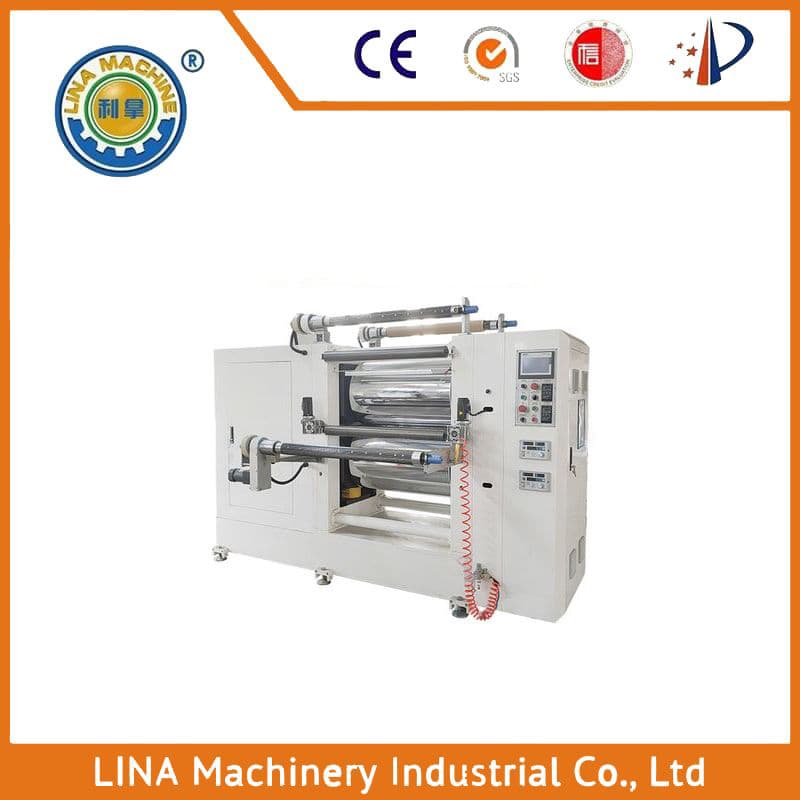
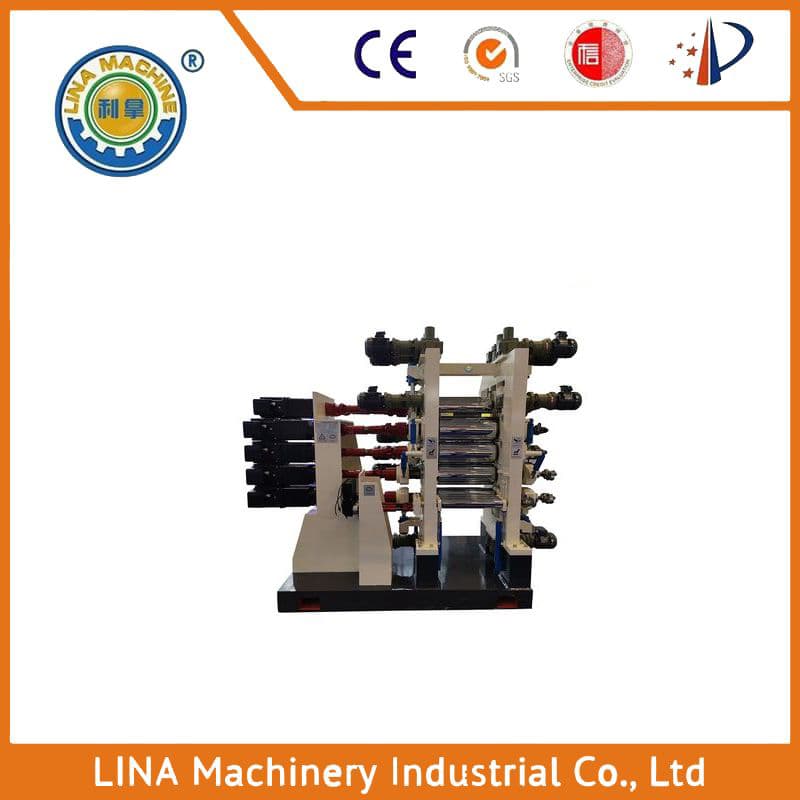
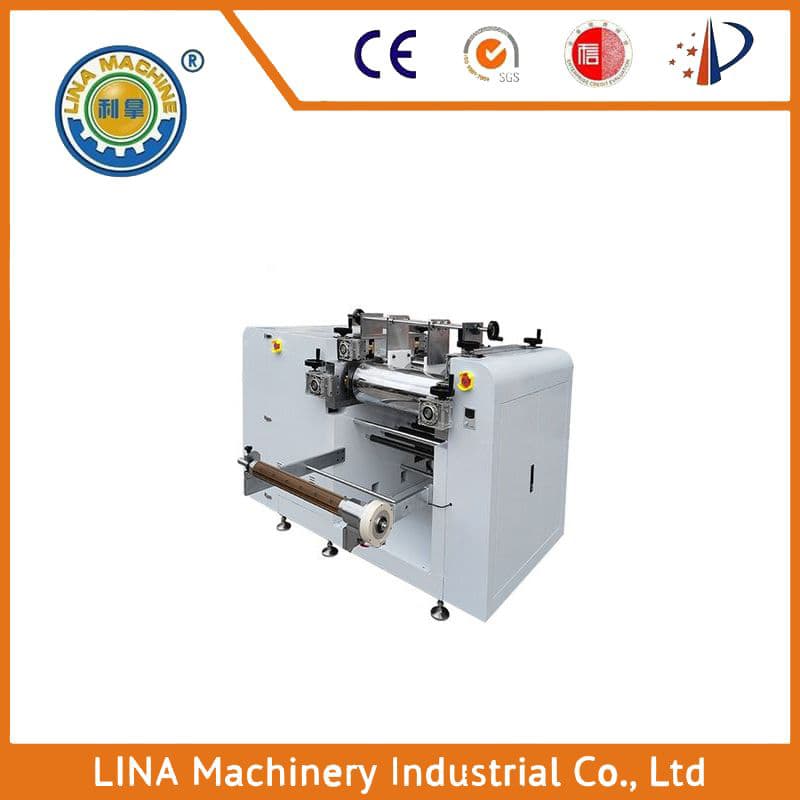
Ceramic powder making machines play a crucial role in the production of ceramic materials, from small-scale laboratory experiments to large-scale industrial processes. These machines are designed to efficiently convert raw materials into finely dispersed ceramic powders, which are then used in various applications such as electronics, construction, and biomedical devices.
One of the key features of these machines is their ability to control the particle size distribution of the powders produced. This is achieved through a variety of techniques, including mechanical crushing, fluidized bed technology, and high-pressure homogenization. By adjusting the parameters of these processes, manufacturers can produce powders with specific particle sizes that meet the needs of their customers.
Another important aspect of these machines is their ability to handle a wide range of raw materials. From clays to metals, these machines can process a diverse range of materials, enabling manufacturers to create customized products for different applications. Additionally, they often incorporate advanced sensors and control systems that allow for real-time monitoring and adjustment of the process parameters, ensuring consistent quality and efficiency.
Despite their importance in the ceramic industry, these machines are not without challenges. One of the main concerns is the environmental impact of producing finely dispersed powders. As these particles are highly reactive and can easily be released into the atmosphere, there is a need for more sustainable and eco-friendly methods of processing. Additionally, there is ongoing research into developing new technologies that can reduce energy consumption and minimize waste during the production process.
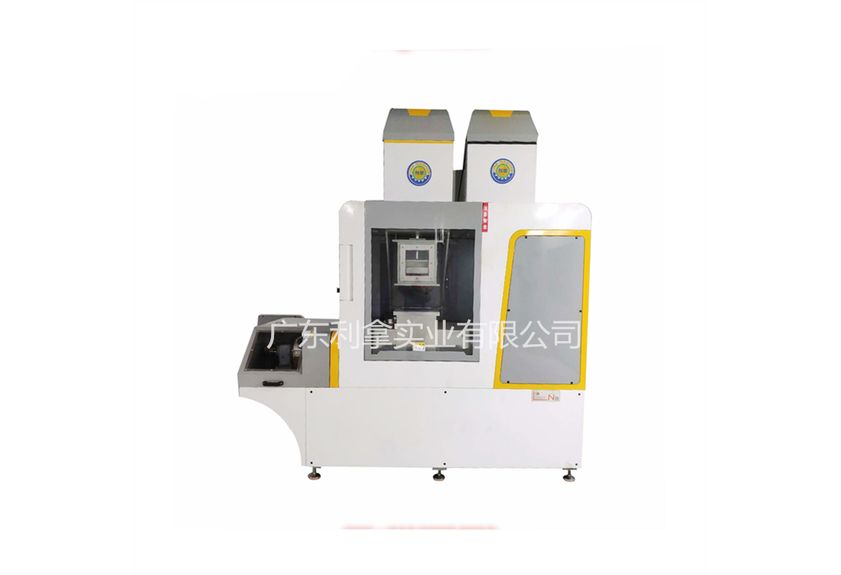
In conclusion, ceramic powder making machines play a vital role in the production of ceramic materials. With their ability to control particle size distribution and handle a wide range of raw materials, these machines are essential tools for manufacturers looking to produce high-quality products. However, as we continue to face challenges related to environmental sustainability and energy efficiency, it will be important for manufacturers to continue exploring new ways of improving these machines and reducing their impact on the environment.