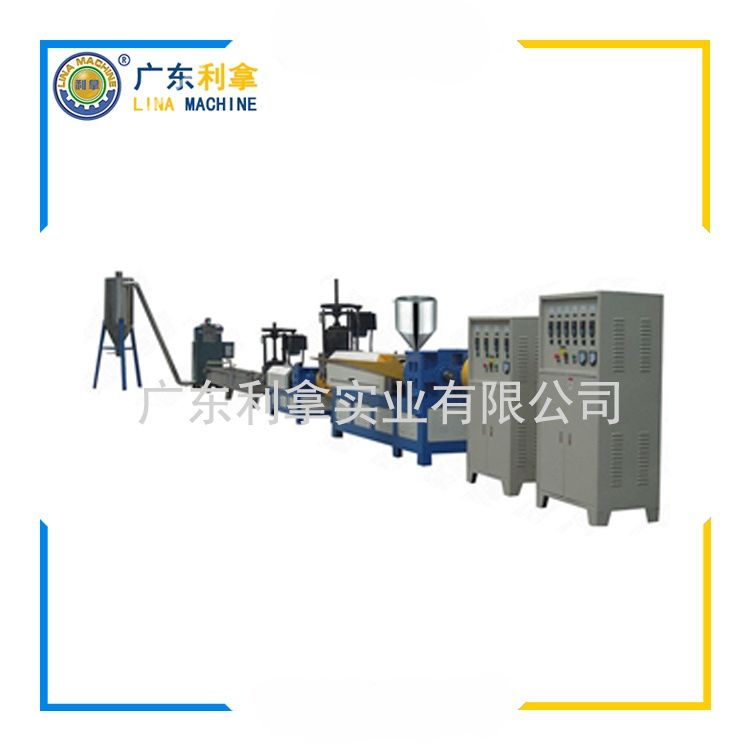
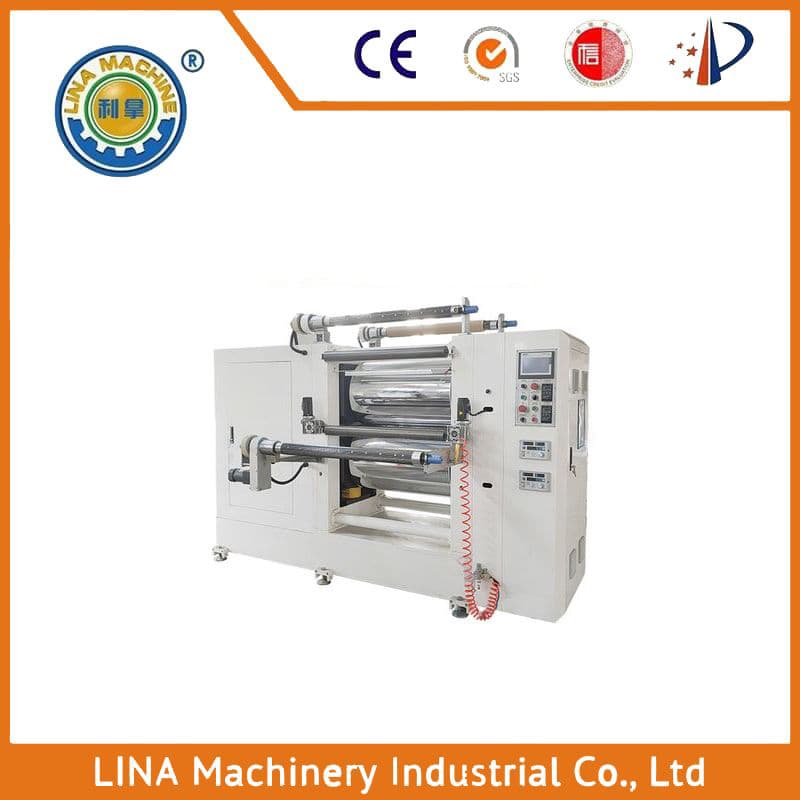
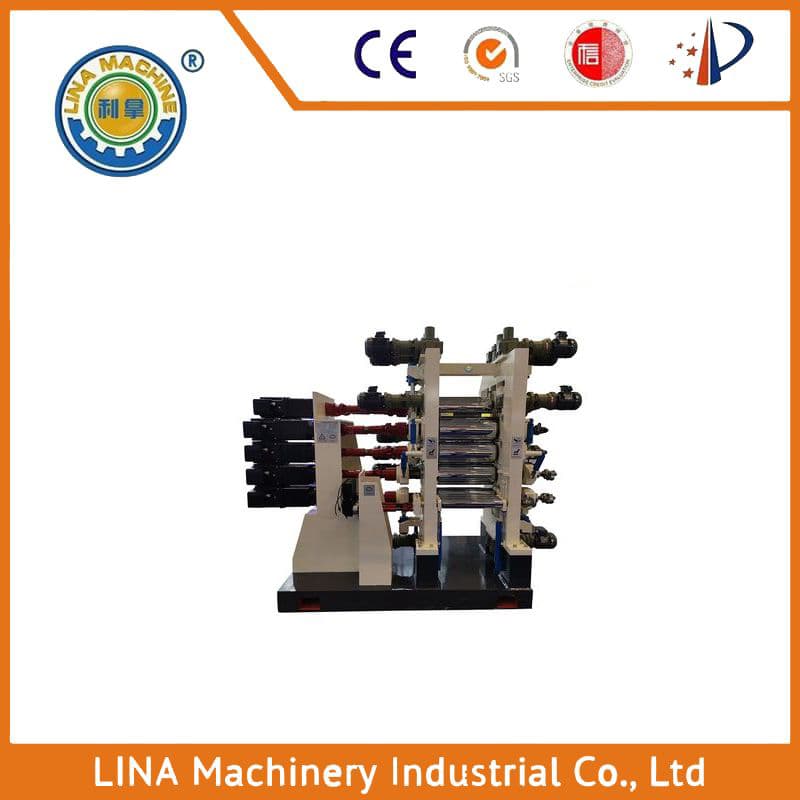

The Flexible Plastic Pellet Production Line
The flexible plastic pellet production line is a crucial component in the plastics industry, providing a streamlined and efficient way to transform raw plastic materials into finished products. This article will explore the key components of this line, their functions, and how they contribute to the overall process.
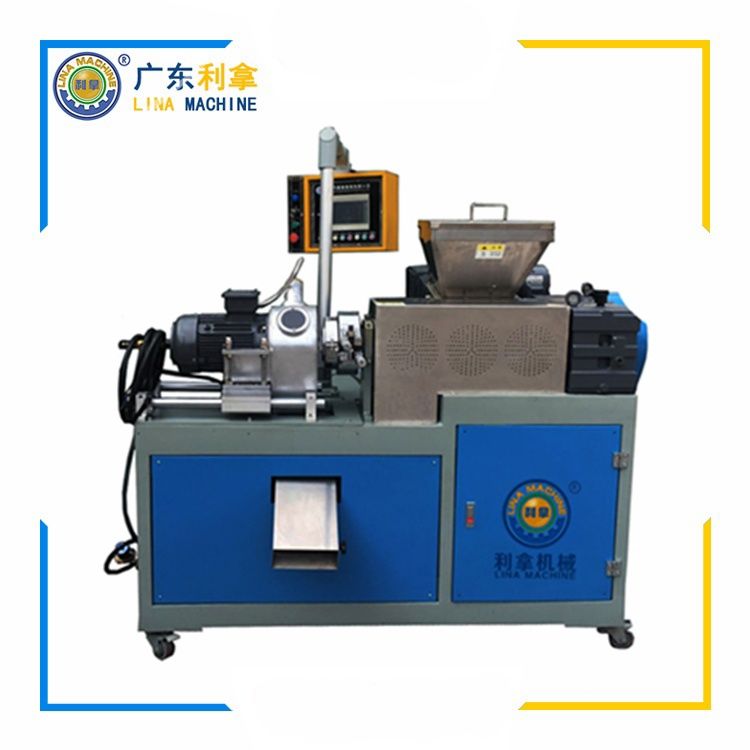
At the heart of the flexible plastic pellet production line is the extruder, which is responsible for melting and shaping the plastic material. The extruder's ability to heat and mix the plastic with additives such as fillers, stabilizers, and colorants is essential for producing high-quality pellets. The extruder's temperature control system ensures that the plastic remains at the right consistency throughout the process, preventing defects or poor quality output.
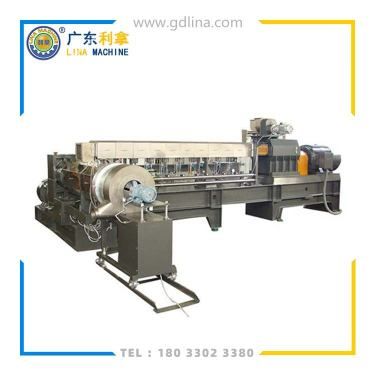
Next, the pellets are cooled down and granulated by a granulator. This process involves passing the hot pellets through a series of rollers that compress and compact them into smaller, more uniform particles. The granulator's design and speed can significantly impact the final product's size and shape, so it's important to optimize these parameters for optimal performance.
Once the pellets have been granulated, they are sorted and packaged by a packaging machine. This step involves separating the different types of pellets based on size, density, or other characteristics, and then packaging them in appropriate containers for storage or transportation. The packaging machine's precision and efficiency are critical to ensuring that the pellets are properly protected during transit and meet regulatory standards.
Finally, the finished product is ready for use in various applications. Whether it's in the form of pellets for injection molding, extrusion, or other processes, the flexible plastic pellet production line plays a vital role in meeting the needs of the plastics industry. By carefully controlling each step of the process, manufacturers can produce high-quality, consistent pellets that meet the demands of their customers.