
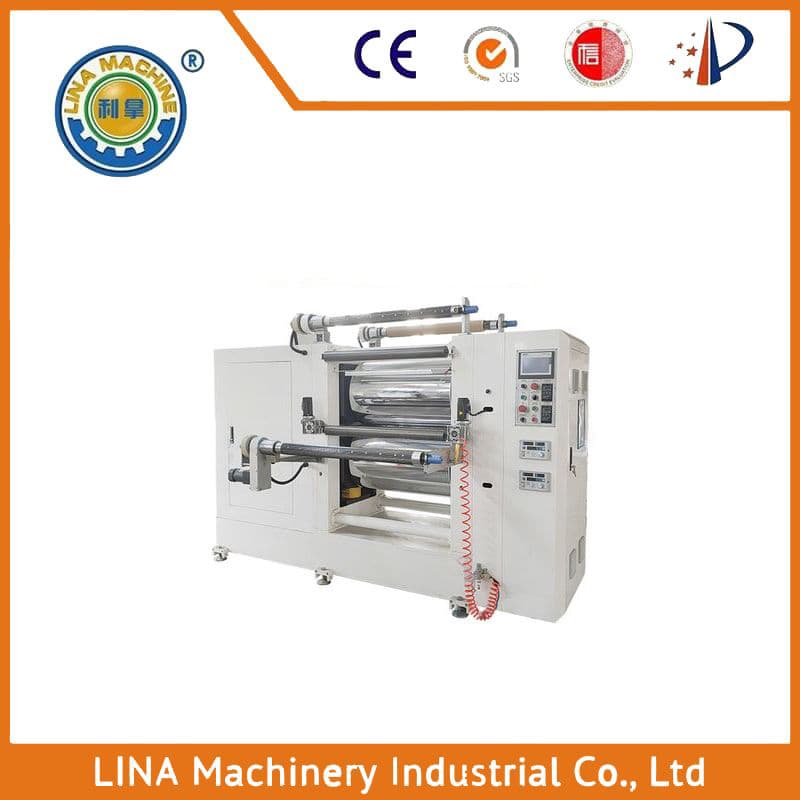
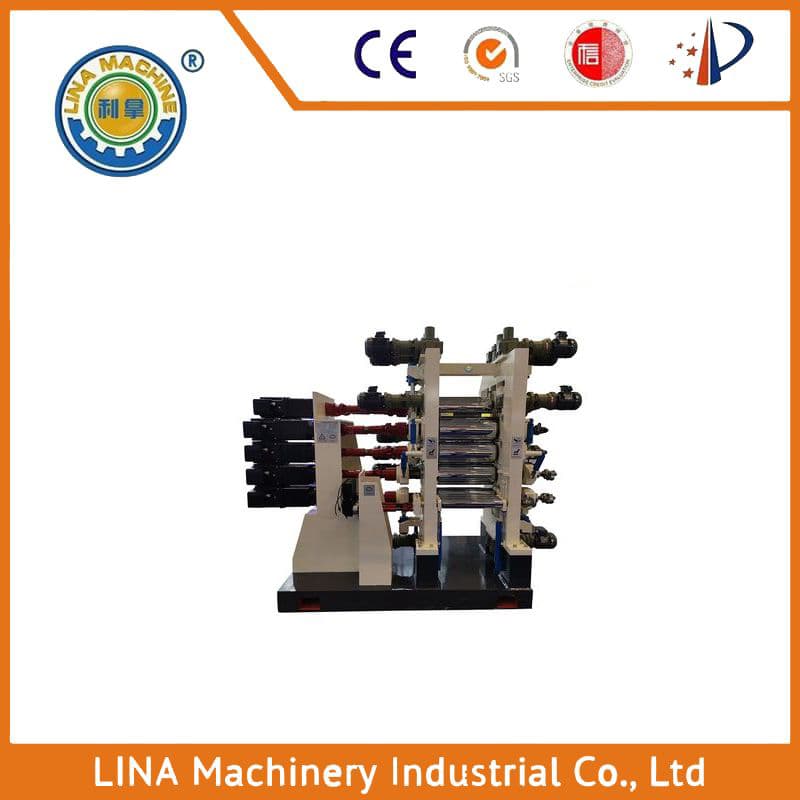
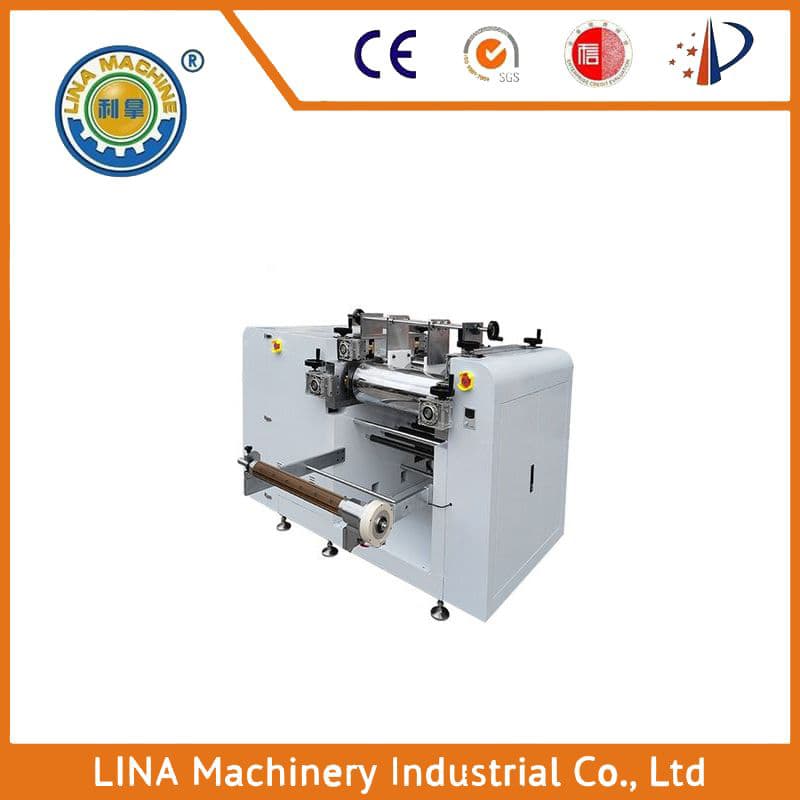
The Role of the Mixing Machine in Chemical Processing
The mixing machine is a crucial tool in the chemical industry, used to blend and homogenize various substances. Its primary function is to create a uniform mixture that can be processed further into finished products. In this article, we will explore the different types of mixing machines, their applications, and how they contribute to the overall efficiency of chemical processes.
There are several types of mixing machines available in the market, each with its unique features and capabilities. Some of the most common types include:
1. Rotary mixers: These machines use rotating blades to mix the ingredients together. They are commonly used for mixing solids and liquids, such as in pharmaceuticals and food processing industries.
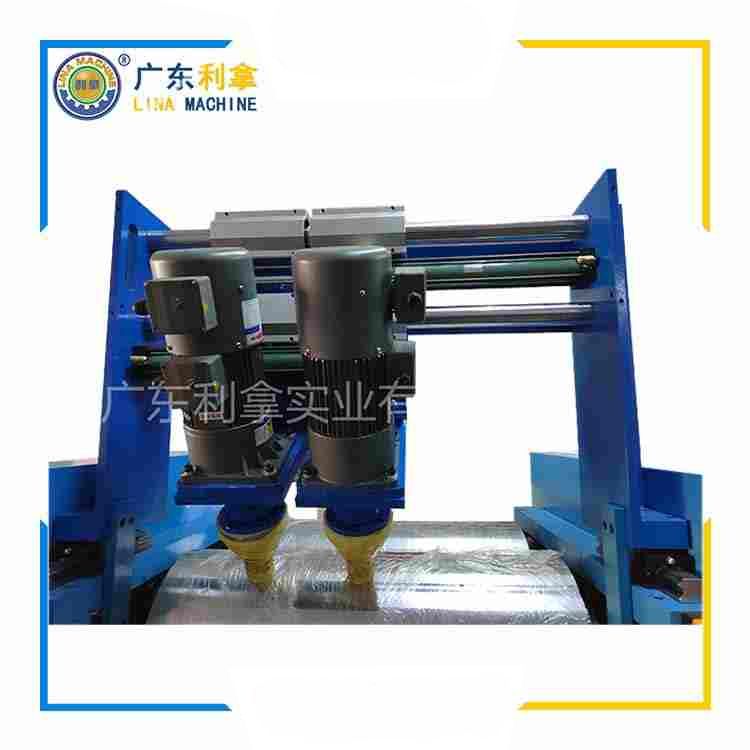
2. High-speed shear mixers: These machines use high-speed rotation to break down the ingredients into smaller particles, resulting in a more even distribution of components. They are ideal for mixing powders and granular materials.
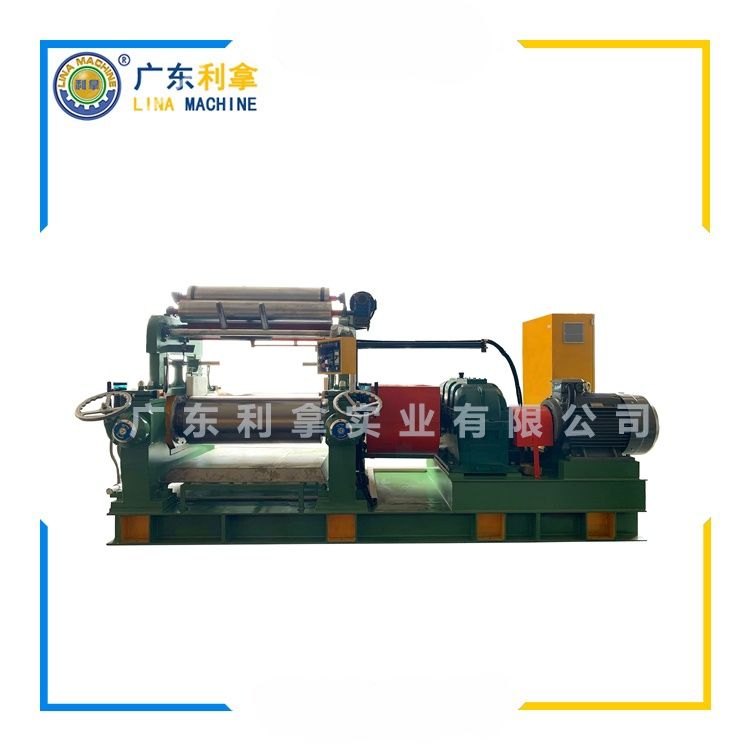
3. Ultrasonic mixers: These machines use ultrasound waves to generate mechanical energy, which helps to break down the ingredients into smaller particles. They are commonly used for mixing biomaterials and other complex substances.
4. Ball mills: These machines use grinding balls to grind the ingredients together, resulting in a finer particle size. They are commonly used for grinding and blending of materials such as minerals and chemicals.
Applications of mixing machines in the chemical industry include:
1. Production of pharmaceuticals: Mixing machines are essential in the production of pharmaceuticals, as they help to ensure that the ingredients are mixed thoroughly and evenly. This ensures that the final product meets the required quality standards.
2. Food processing: Mixing machines are used in the food industry to blend different ingredients together, such as flour and water, to make dough or batter. They also help to homogenize sauces and dressings, ensuring that they are consistent in texture and flavor.
3. Chemical synthesis: Mixing machines are used in the chemical industry to synthesize compounds by combining different elements and substances. For example, in the production of fertilizers, mixing machines are used to combine nitrogen, phosphorus, and potassium to create a complete fertilizer formula.
4. Environmental remediation: Mixing machines are used in environmental remediation projects to break down contaminants into smaller particles, making them easier to remove from soil and water sources.
In conclusion, mixing machines play a vital role in the chemical industry by ensuring that ingredients are mixed thoroughly and evenly. Their diverse range of applications makes them an essential tool for producing high-quality products in various industries. As technology continues to advance, we can expect to see even more innovative and efficient mixing machines on the market, further enhancing our ability to produce and process complex substances.