



The Role of Silicone Extrusion Molding Machines in the Manufacturing Industry
Silicone extrusion molding machines are an essential tool in the manufacturing industry, particularly in the plastic and rubber sectors. These machines are designed to process silicone materials into various shapes and sizes using high-pressure extrusion techniques. In this article, we will explore the different types of silicone extrusion molding machines, their applications, and how they contribute to the overall efficiency of the manufacturing process.
Firstly, there are two main types of silicone extrusion molding machines: rotary screw extruders and twin-screw extruders. Rotary screw extruders are commonly used for small batch production, while twin-screw extruders are more suitable for mass production due to their ability to handle larger volumes of material. Both types of machines use a rotating screw to mix and knead the silicone material, which helps to achieve a uniform texture and consistency throughout the product.
In addition to their mechanical functions, these machines also play a crucial role in the quality control of silicone products. By using advanced sensors and control systems, these machines can monitor the temperature, pressure, and flow rate of the silicone material during processing. This allows manufacturers to optimize their production processes and ensure that their products meet specific quality standards.
One of the most significant advantages of silicone extrusion molding machines is their ability to produce complex shapes and designs with minimal waste. Unlike traditional injection molding methods, which require multiple steps and manual assembly, silicone extrusion molding machines can produce parts with intricate details and seamless connections. This not only saves time and resources but also improves product performance and durability.
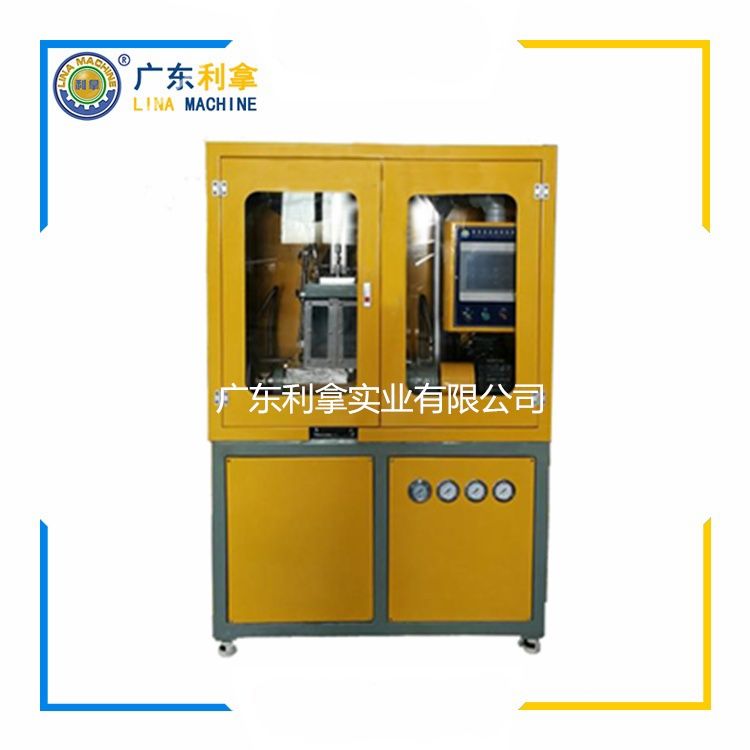
Another important factor to consider when selecting a silicone extrusion molding machine is its ability to handle different types of silicone materials. Different silicones have varying melting points, viscosities, and rheological properties, which can affect the processing conditions and final product quality. Therefore, it is essential to choose a machine that can accommodate a wide range of silicone materials and can be easily adjusted to optimize the processing parameters for each specific material.
In conclusion, silicone extrusion molding machines are critical tools in the manufacturing industry, particularly in the plastic and rubber sectors. They offer numerous benefits such as improved efficiency, quality control, and flexibility in producing complex shapes and designs. As the demand for sustainable and eco-friendly products continues to grow, silicone extrusion molding machines will continue to play an important role in meeting these demands and driving innovation in the manufacturing industry.
