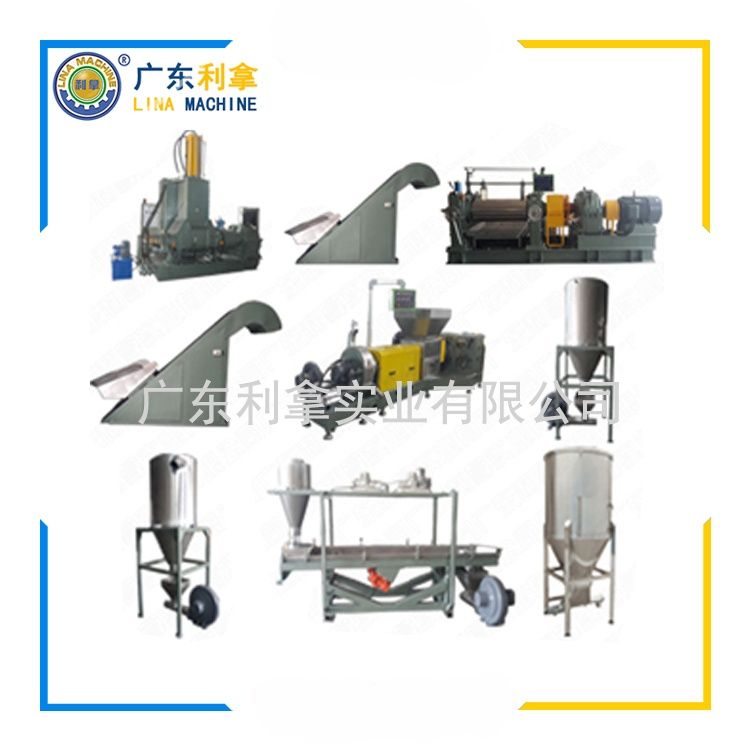
The Modified Plastic Granulator: A Revolution in the Manufacturing Industry
The modern manufacturing industry is constantly evolving, and one of the most significant advancements in recent years has been the introduction of modified plastic granulators. These innovative machines have revolutionized the way plastic materials are processed, resulting in increased efficiency, reduced costs, and improved product quality. In this article, we will explore the key features and benefits of these advanced granulators, as well as their potential applications in various industries.
At its core, a modified plastic granulator is a machine designed to process and recycle plastic waste into usable materials. Unlike traditional granulators, these machines use advanced technology to break down plastic waste into smaller pieces, which can then be further processed into new products. This process not only reduces the amount of waste sent to landfills but also creates valuable resources that can be used in various industries.
One of the key features of a modified plastic granulator is its ability to handle a wide range of plastic types, including polyethylene, polypropylene, and other commonly used materials. This flexibility allows for the processing of a variety of plastic waste streams, making it an ideal solution for businesses with diverse waste management needs. Additionally, these machines are equipped with advanced sensors and control systems that allow for precise temperature and pressure adjustments, ensuring optimal processing conditions for each type of plastic.
Another significant advantage of modified plastic granulators is their ability to reduce energy consumption and operating costs. By using advanced technology and optimized design, these machines can operate more efficiently than traditional granulators, saving time and money on maintenance and repairs. Additionally, many of these machines are designed to be easily integrated into existing production lines, reducing the need for additional equipment or infrastructure.

In addition to their technical advantages, modified plastic granulators also have a positive impact on the environment. By reducing the amount of plastic waste sent to landfills and turning it into valuable resources, these machines help to mitigate the negative effects of plastic pollution on our planet. Furthermore, many of these machines are designed to operate at low temperatures, which helps to reduce greenhouse gas emissions and promote sustainable practices in the manufacturing industry.
Finally, the potential applications of modified plastic granulators are vast and varied. These machines can be used in a variety of industries, including packaging, agriculture, construction, and more. For example, in the packaging industry, these machines can be used to process plastic bags, bottles, and other waste streams into new products such as compostable bags or biodegradable containers. In agriculture, they can be used to recycle plastic film and other plastic waste into fertilizer or other useful products.
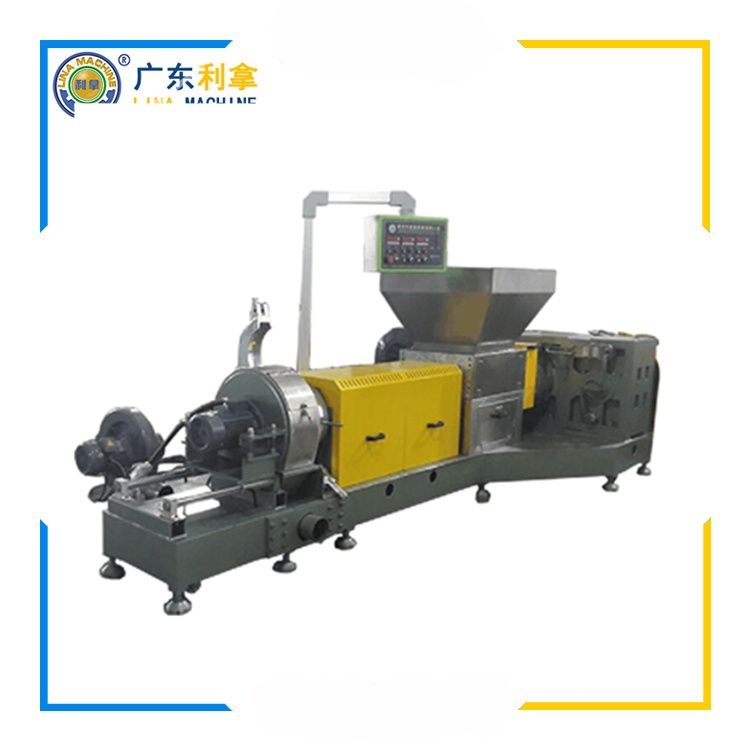
In conclusion, the introduction of modified plastic granulators has had a significant impact on the manufacturing industry, transforming the way plastic waste is processed and recycled. These advanced machines offer numerous advantages over traditional granulators, including increased efficiency, reduced costs, and environmental benefits. As the demand for sustainable and eco-friendly solutions continues to grow, the importance of these machines cannot be overstated.