Advanced Absorbent Materials Processing Machinery: A Comprehensive Guide to Screening Absorbent Materials
In the realm of materials science, absorbent materials play a crucial role in various applications, from healthcare to environmental remediation. The precision and efficiency with which these materials are processed are paramount for their successful implementation. One such machine that stands out is the screener, an essential component in the production process of absorbent materials. This article delves into the intricate world of screeners, exploring the different types, their functions, and how they contribute to the overall success of absorbent material production.
At its core, a screener is a machine designed to separate particles based on size, shape, or other physical characteristics. In the context of absorbent materials, this means separating the desired particles from larger impurities or unwanted substances. The effectiveness of a screener relies heavily on its design, which can range from simple gravity-based systems to complex electrostatic or magnetic filters.
One of the most common types of screeners used in absorbent material production is the screen press. This device employs a series of screens arranged in a stack, each with a specific mesh size. As the material moves through the press, it encounters the smaller screens, allowing only the desired particles to pass. The remaining material then moves to the next screen, where it undergoes further separation. This process repeats until the final product is obtained.
Another type of screener worth mentioning is the air-blown screener. Unlike screen presses, which rely on gravity or mechanical force to separate particles, air-blown screeners use air pressure to create a static electric field that attracts and holds the particles together. This method offers greater control over particle size distribution and can be used for a wider range of materials.

The choice of screener depends on several factors, including the desired particle size, the type of absorbent material being produced, and the level of contaminants present in the raw materials. For example, if a high-purity water absorbent is required, a screener with a fine mesh size may be necessary to ensure that only the desired particles are captured. Conversely, if a coarser particle size is desired, a screener with a coarser mesh may be more appropriate.
In addition to its technical aspects, the screener plays a critical role in the overall quality and consistency of the absorbent material. By ensuring that only the desired particles are present, the screener helps to minimize impurities and contaminants, which can have a significant impact on the performance and efficacy of the absorbent material.
As technology continues to advance, the capabilities of screeners continue to evolve. From automated systems that can process large volumes of material quickly and efficiently to sophisticated models that can detect and remove even the smallest particles, screeners are becoming increasingly important tools in the production of absorbent materials.
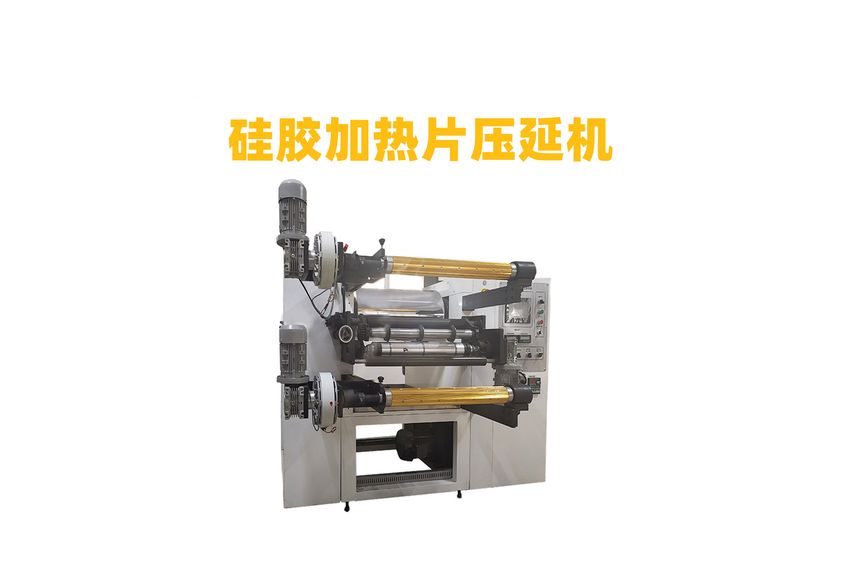
In conclusion, screeners are at the heart of absorbent material production, providing a vital link between raw materials and the finished product. By understanding the different types of screeners available and their unique features, manufacturers can optimize their processes and produce high-quality absorbent materials that meet the needs of their customers. Whether you're a manufacturer looking to streamline your production process or a researcher seeking to understand the properties of absorbent materials, there's always something new to learn about screeners and their role in the world of absorbent materials.