
The Role of Small-Scale Mixing Machines in the Manufacturing Industry
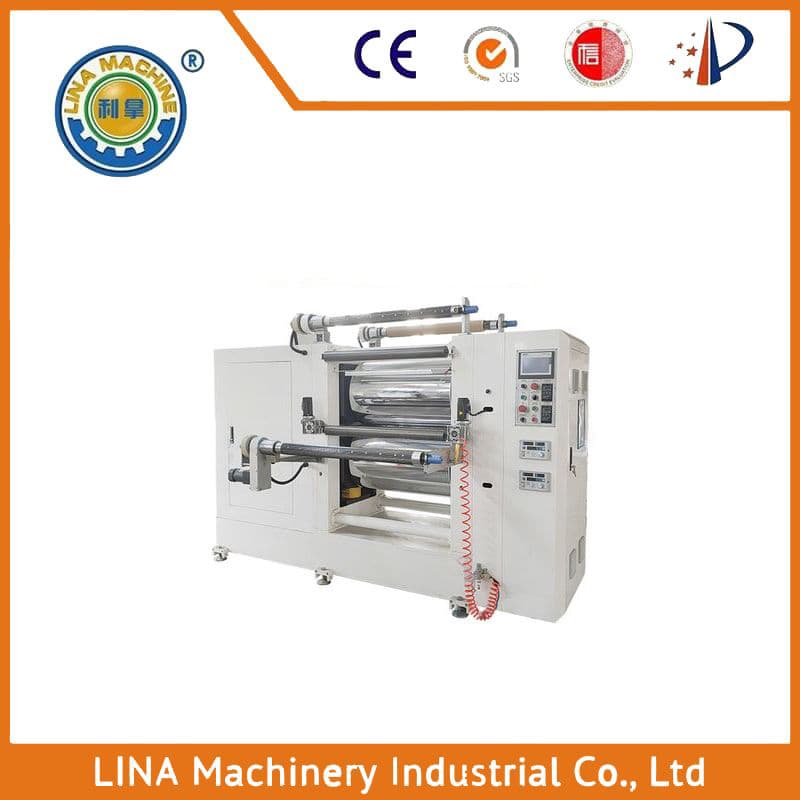
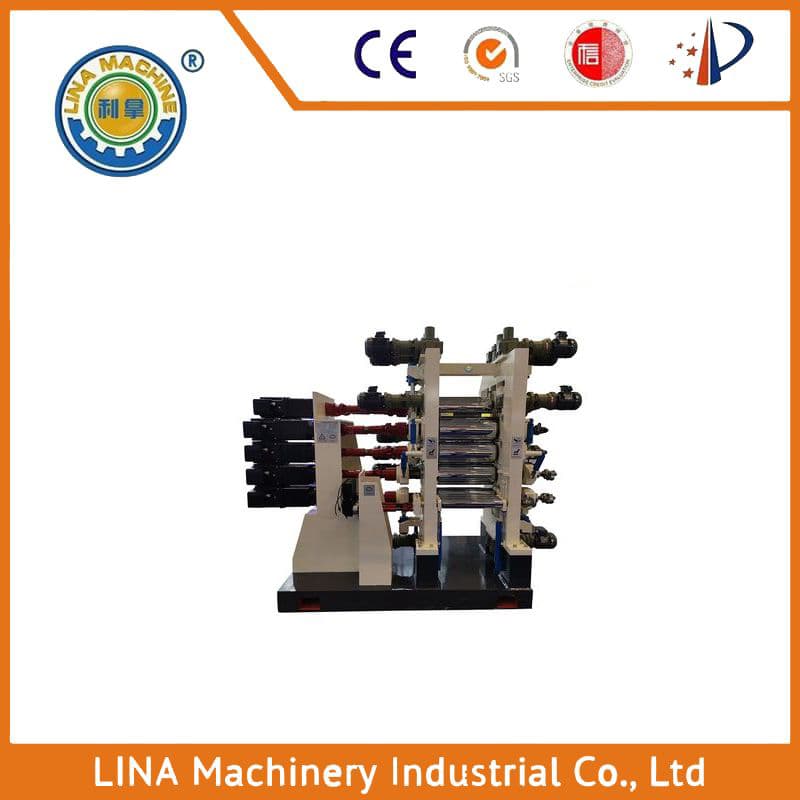
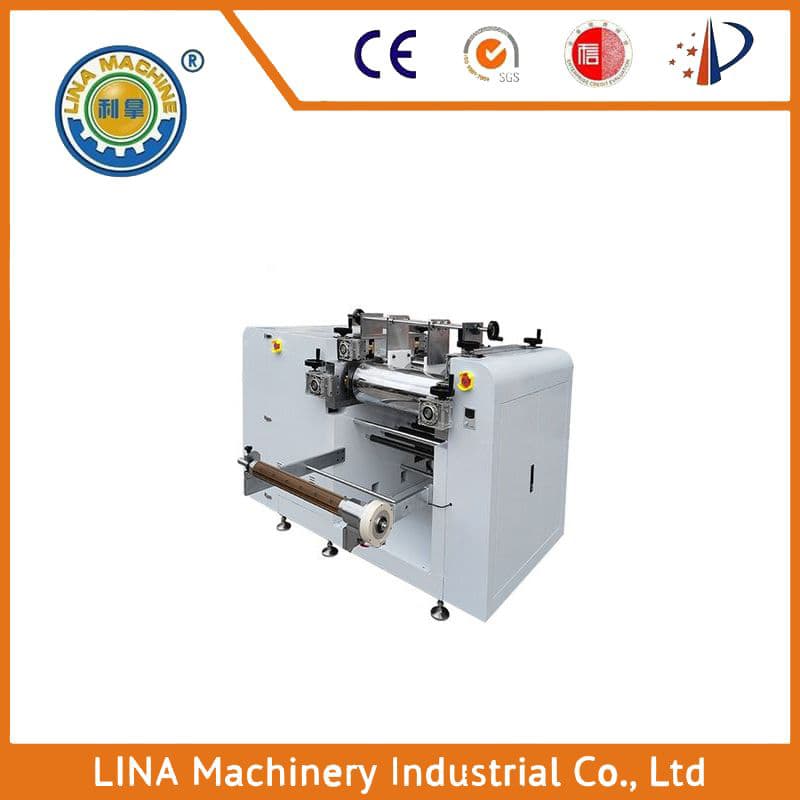
In the manufacturing industry, small-scale mixing machines play a crucial role in achieving uniform and consistent product quality. These machines are designed to handle small batches of materials, allowing for precise control over the mixing process. By using small-scale mixing machines, manufacturers can produce products with higher consistency and fewer defects, which ultimately leads to cost savings and increased customer satisfaction.
One of the key benefits of small-scale mixing machines is their ability to handle a wide range of materials. From plastics and rubber to metals and ceramics, these machines can be customized to meet the specific needs of different industries. This flexibility allows manufacturers to optimize their production processes and achieve maximum efficiency.
Another advantage of small-scale mixing machines is their ability to reduce downtime. With smaller batch sizes, manufacturers can quickly switch between different materials without having to wait for large batches to complete. This reduces downtime and allows for continuous production, ensuring that manufacturers can meet demand while minimizing waste.
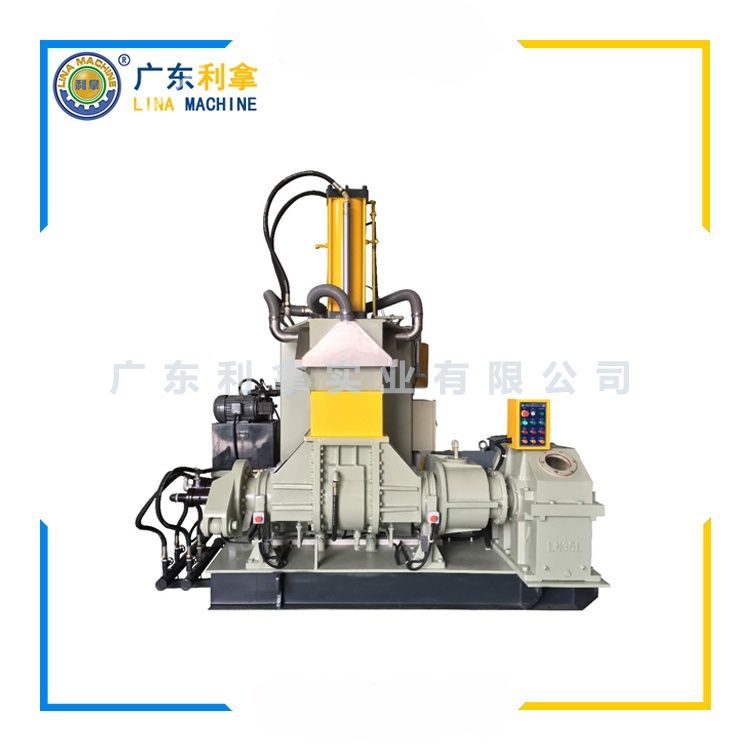
Small-scale mixing machines also offer improved safety features. Many modern models come equipped with automated controls and sensors that monitor temperature and pressure levels during the mixing process. This ensures that the machine operates safely and prevents potential hazards such as overheating or leaks.
In conclusion, small-scale mixing machines have become an essential tool in the manufacturing industry. By providing precise control over the mixing process, these machines help manufacturers achieve higher consistency and fewer defects, leading to cost savings and increased customer satisfaction. As technology continues to advance, we can expect to see even more innovative and efficient small-scale mixing machines on the market, further revolutionizing the manufacturing industry.
