



Understanding the Dual-Stage Pelletizing Machine Line
In the realm of industrial production, the efficiency and quality of raw materials are crucial for the success of any manufacturing process. One such critical component is the dual-stage pelletizing machine line, which plays a vital role in converting various feedstocks into high-quality pellets. This article aims to provide an in-depth understanding of this innovative equipment, its working principles, and the benefits it offers to various industries.
The dual-stage pelletizing machine line is designed to produce pellets with consistent size, shape, and density. It consists of two main stages: the primary stage, where the raw material is fed into the machine, and the secondary stage, where the pellets are formed and dried. The machine line is equipped with advanced technology, including sensors and control systems, that monitor and adjust the process parameters to ensure optimal results every time.
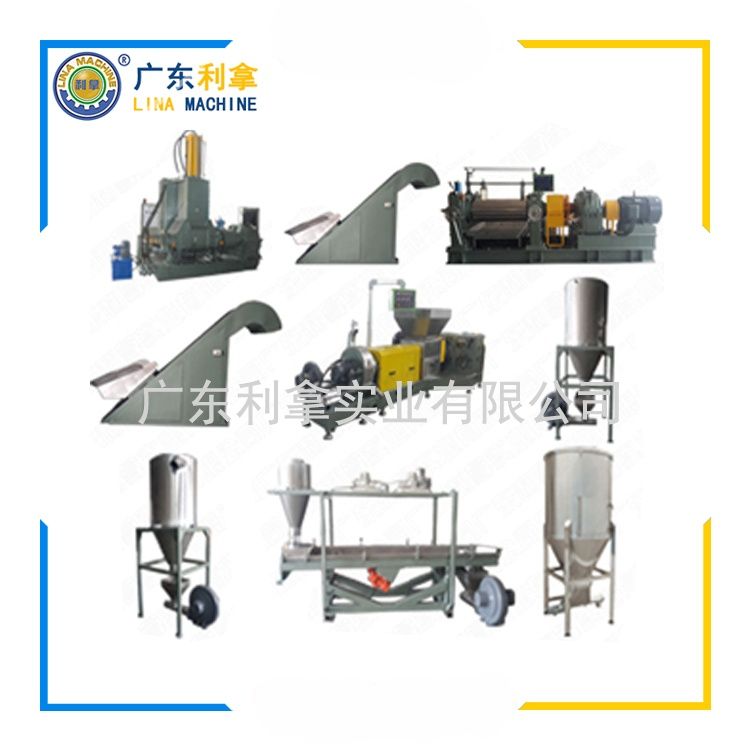
One of the key advantages of the dual-stage pelletizing machine line is its ability to handle a wide range of raw materials. Whether it's agricultural byproducts, food waste, or other organic materials, this machine can transform them into valuable products that meet market demands. Additionally, the pellets produced by this machine are highly sought after by consumers due to their nutritional value and convenience.
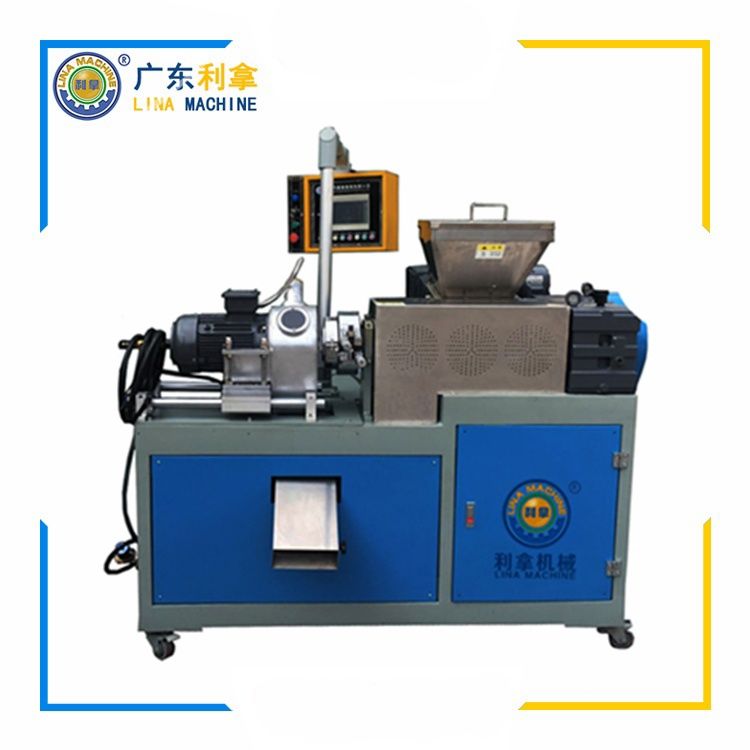
Another significant benefit of the dual-stage pelletizing machine line is its ability to reduce energy consumption and minimize waste. By using advanced technology and optimized process parameters, this machine can produce pellets with minimal loss during the drying stage. This not only saves energy but also reduces environmental impact, making it a sustainable option for many industries.
In conclusion, the dual-stage pelletizing machine line is a game-changer in the world of industrial production. Its ability to produce high-quality pellets from a wide range of raw materials, while minimizing energy consumption and reducing waste, makes it an essential tool for any industry looking to improve efficiency and sustainability. As technology continues to advance, we can expect to see even more innovative solutions like this one, revolutionizing the way we produce and consume goods.