



The Role of the Mixing Machine in the Manufacturing Industry
The mixing machine is an essential tool in the manufacturing industry, used to blend and combine materials in a precise and uniform manner. It plays a crucial role in various industries such as food processing, pharmaceuticals, chemical engineering, and more. In this article, we will explore the different types of mixing machines available, their applications, and how they contribute to the overall efficiency of the manufacturing process.
Firstly, there are two main types of mixing machines: mechanical and electrical. Mechanical mixing machines use rotating blades or paddles to mix the materials, while electrical mixing machines use electromagnetic fields to create agitation. Both types have their advantages and disadvantages, but they serve different purposes in different industries.
In the food processing industry, for example, a high-speed mixer is used to blend ingredients such as milk, eggs, and sugar. This type of mixer is designed to achieve a high level of homogenization, ensuring that the ingredients are well mixed and consistent in texture.
In the pharmaceutical industry, a high-speed mixer is used to blend active ingredients with excipients such as fillers, binders, and stabilizers. This type of mixer is designed to ensure that the ingredients are thoroughly mixed and distributed evenly throughout the product.
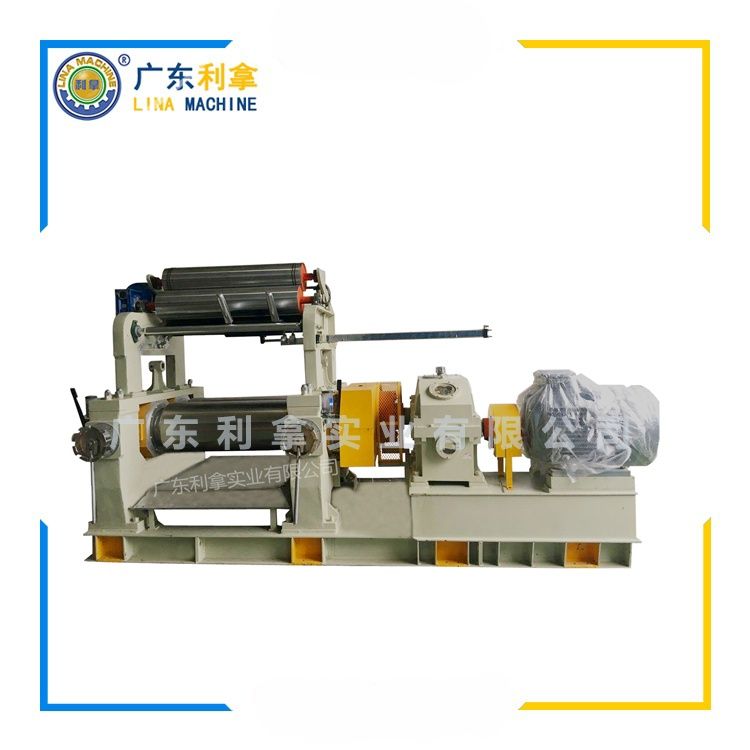
Chemical engineering also uses mixing machines to produce various chemicals and materials. For example, a stirred tank reactor is used to mix reactants and catalysts during chemical reactions. This type of mixer is designed to achieve a high level of mixing and reaction rates.
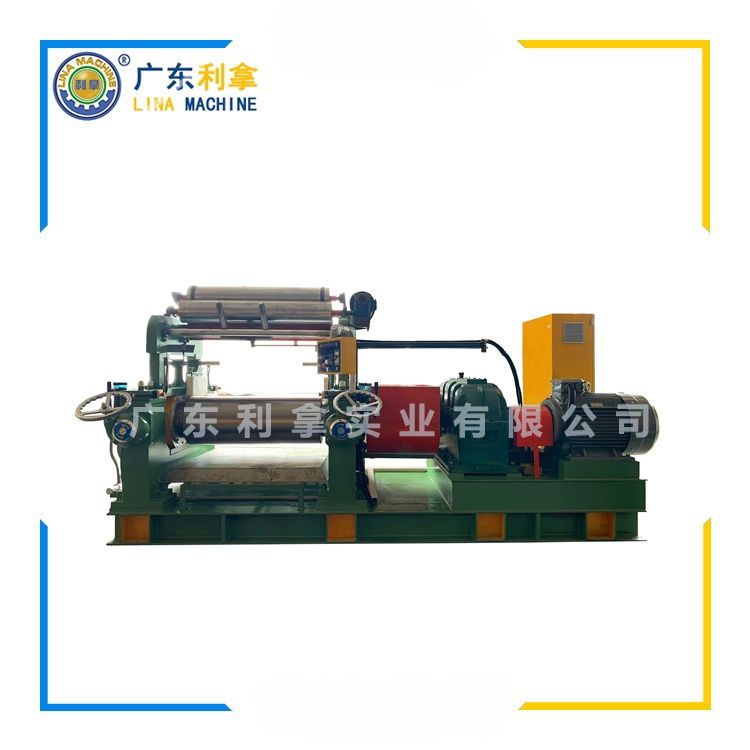
In addition to these specific applications, mixing machines are also used in other industries such as textiles, cosmetics, and plastics. They are essential tools in these industries because they help to ensure that the materials are well mixed and combined in a consistent manner.
Overall, the mixing machine plays a vital role in the manufacturing industry by ensuring that materials are well mixed and combined in a uniform manner. Its ability to achieve high levels of homogenization and mixing is essential for the success of many industrial processes. As technology continues to advance, we can expect to see even more innovative and efficient mixing machines on the market.