
The Art of Grinding: An Exploration of the Graphite Rolling Mill
The graphite rolling mill, also known as a graphite pressing machine, is a crucial tool in the manufacturing industry. Its primary function is to produce high-quality graphite sheets and plates for various applications such as electronics, energy storage, and composite materials. In this article, we will delve into the working principles, design features, and benefits of this remarkable machine.
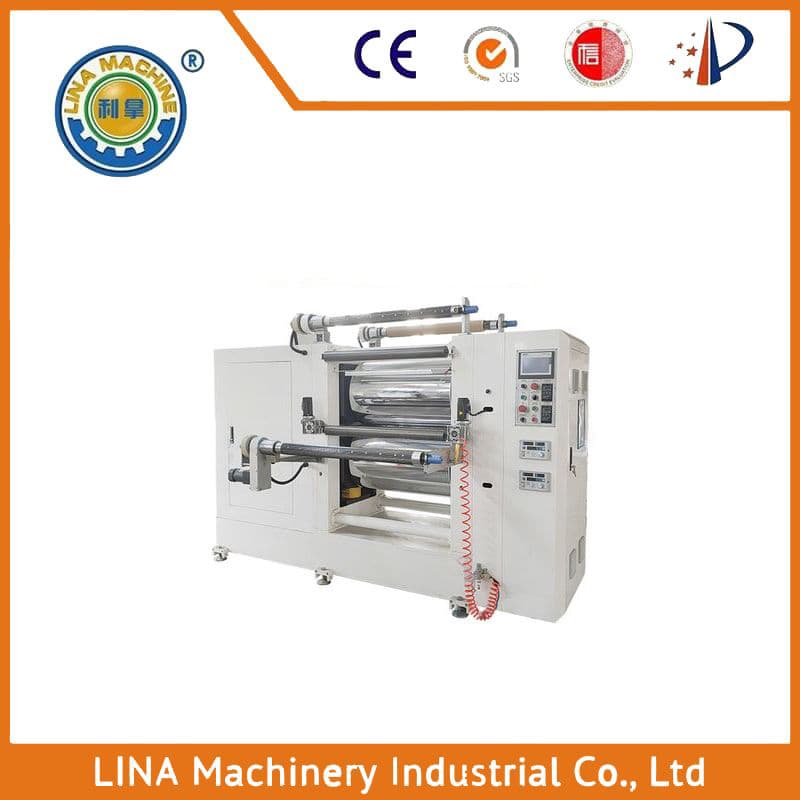
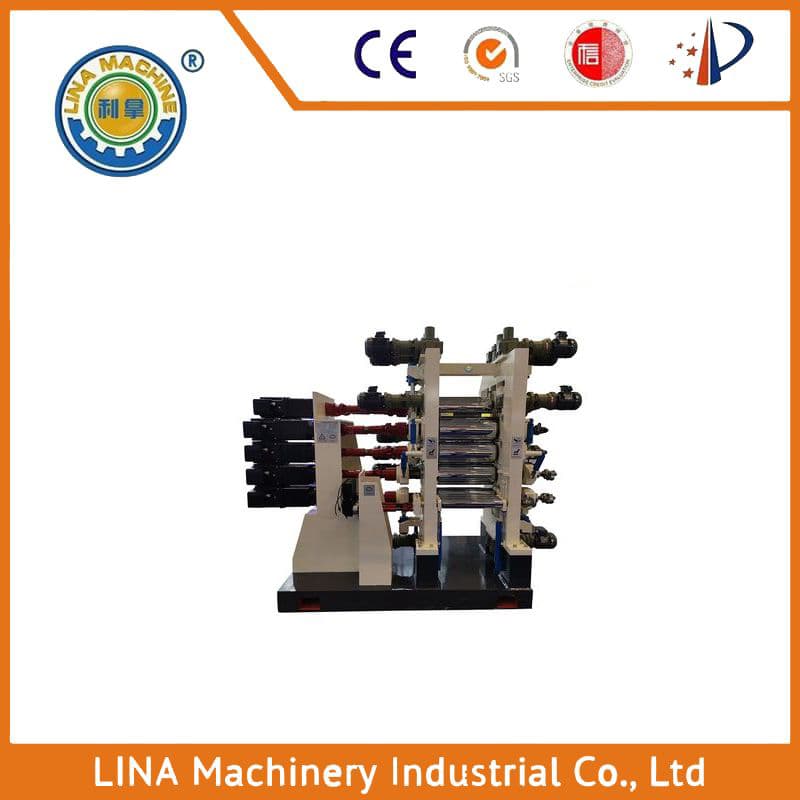
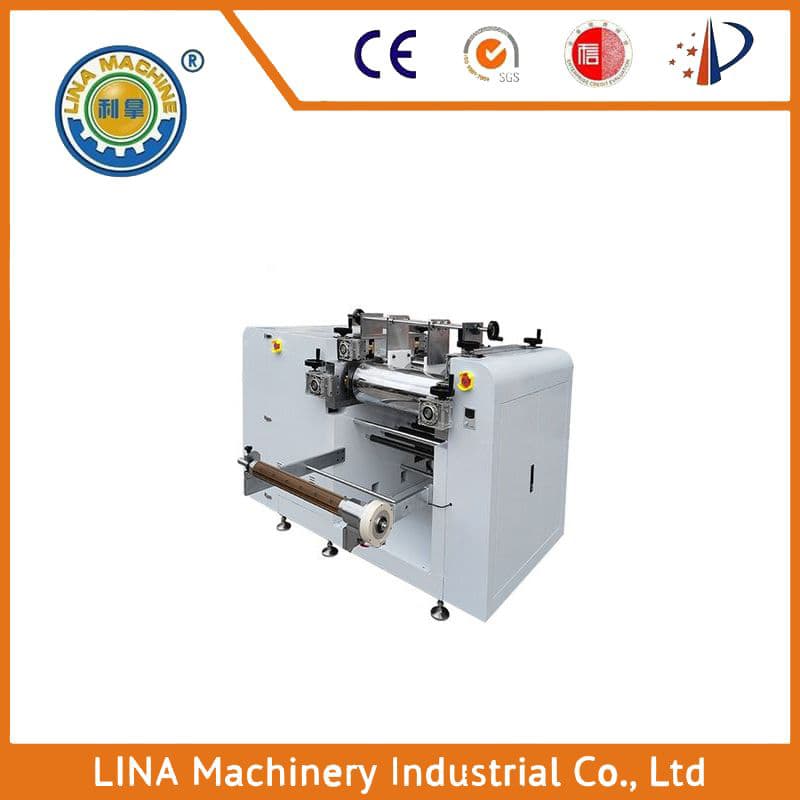
Firstly, let's understand what a graphite rolling mill is. It is a mechanical device that uses pressure to extrude or press-form graphite powder into sheets or plates. The process involves feeding the graphite powder into the machine, which then applies pressure through rollers to compact the material into a uniform sheet. This technique ensures that the graphite is evenly distributed and has a consistent thickness throughout the product.

Now, let's explore the design features of a graphite rolling mill. One of the most significant aspects is its roller system. These rollers are made of high-carbon steel and have a smooth surface that allows for precise control over the extrusion process. The rollers rotate at high speeds, which helps to increase the efficiency of the process and reduces the time required to produce a single sheet. Additionally, the design of the machine includes a feed mechanism that ensures a consistent supply of graphite powder to the rollers.
Another critical component of a graphite rolling mill is the cooling system. During the extrusion process, the temperature of the graphite can rise significantly, which can affect the quality of the final product. To address this issue, the machine is equipped with a cooling system that regulates the temperature of the material during the pressing process. This not only improves the consistency of the product but also extends the lifespan of the machine.
In terms of benefits, a graphite rolling mill offers several advantages over traditional methods of producing graphite products. Firstly, it produces high-quality sheets and plates with consistent thickness and size. This makes them ideal for use in electronics, energy storage, and composite materials. Secondly, the process is highly efficient, resulting in reduced production time and costs. Finally, the graphite rolling mill is relatively easy to maintain and operate, making it a cost-effective solution for many industries.
In conclusion, the graphite rolling mill is an essential tool in the manufacturing industry due to its ability to produce high-quality graphite sheets and plates with consistent thickness and size. Its design features, including a roller system and cooling system, ensure that the process is efficient and reliable. By understanding the working principles and benefits of this machine, we can appreciate its significance in modern manufacturing practices.