
The Art of Clay Particle Formation in Ceramic Powder Making Machines
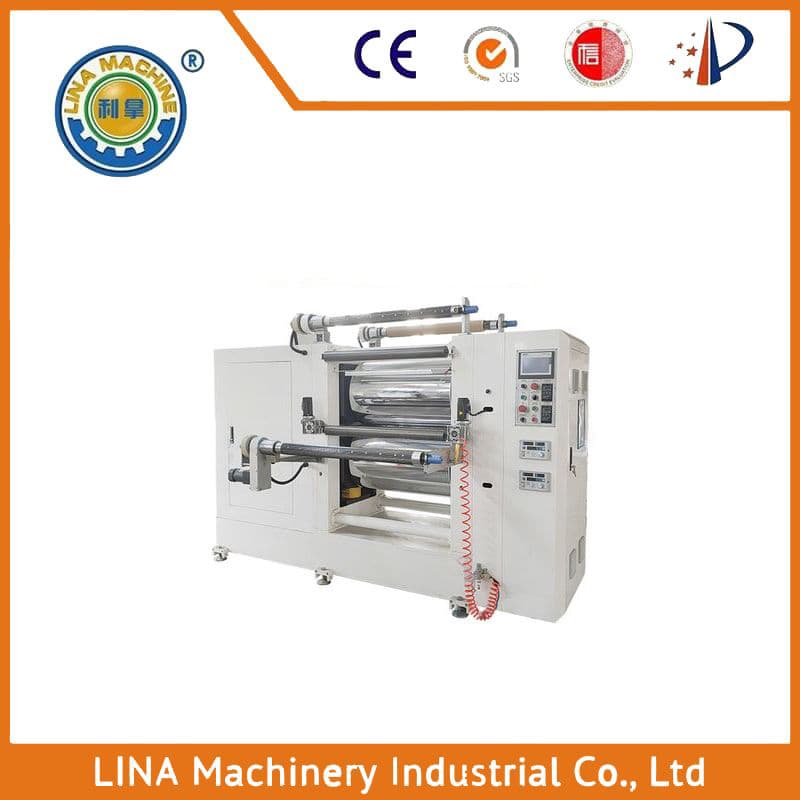
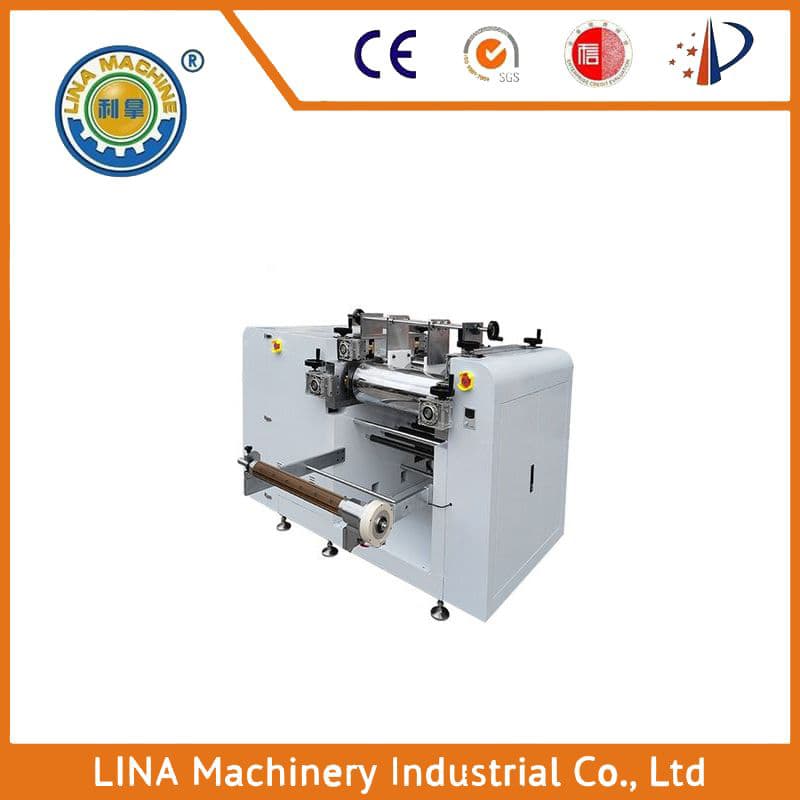
Clay powder is a crucial component in the production of ceramics, as it serves as the raw material for creating various ceramic products. To ensure the quality and consistency of the final product, the process of clay powder formation plays a vital role. In this process, a specialized machine called a ceramic powder forming machine is used to transform the clay into a uniform, fine-grained powder that can be easily mixed with other ingredients and molded into desired shapes.
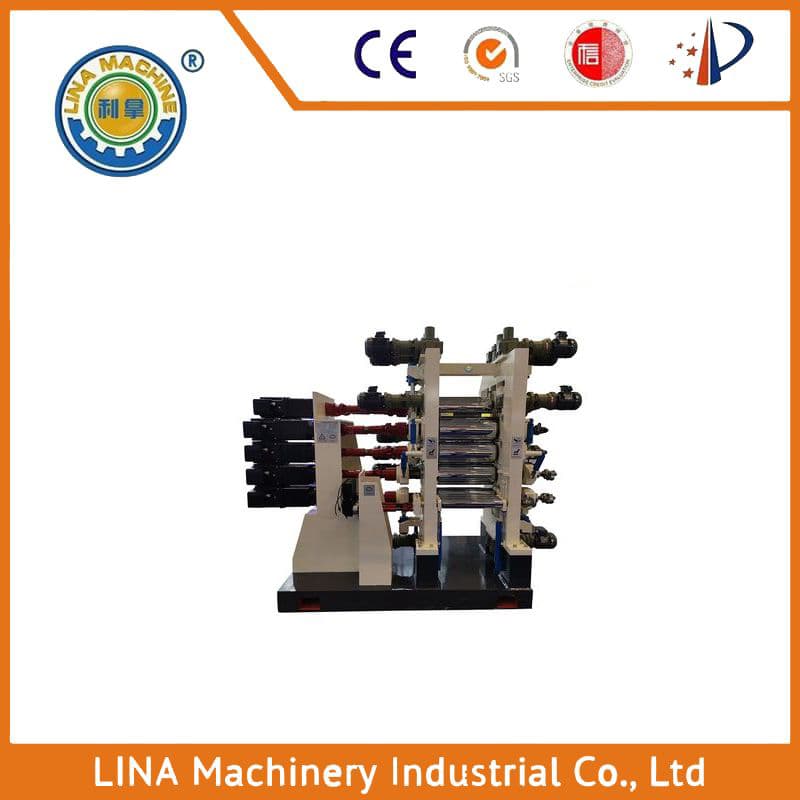
The ceramic powder forming machine is a sophisticated piece of equipment designed to meet the specific needs of the ceramic industry. It consists of several key components, including a hopper, a rotor, and a discharge mechanism. The hopper collects the unprocessed clay, while the rotor rotates at high speeds to break down the clay into smaller particles. This process is known as milling, and it ensures that the clay is evenly ground and free from lumps or impurities.
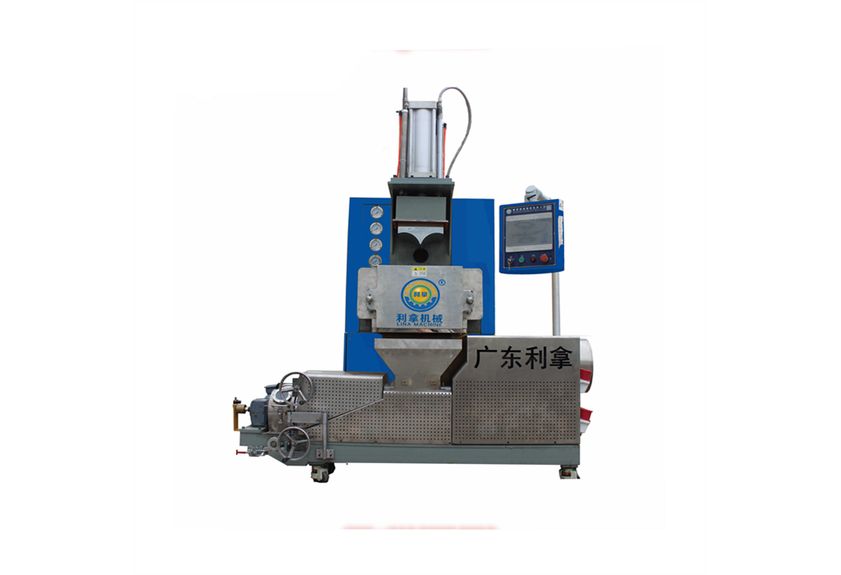
Once the clay is milled to the desired particle size, it is then transported to the discharge mechanism. Here, the finely ground clay is separated from the larger particles and collected in a separate container. The remaining coarser particles are returned to the hopper for further processing.
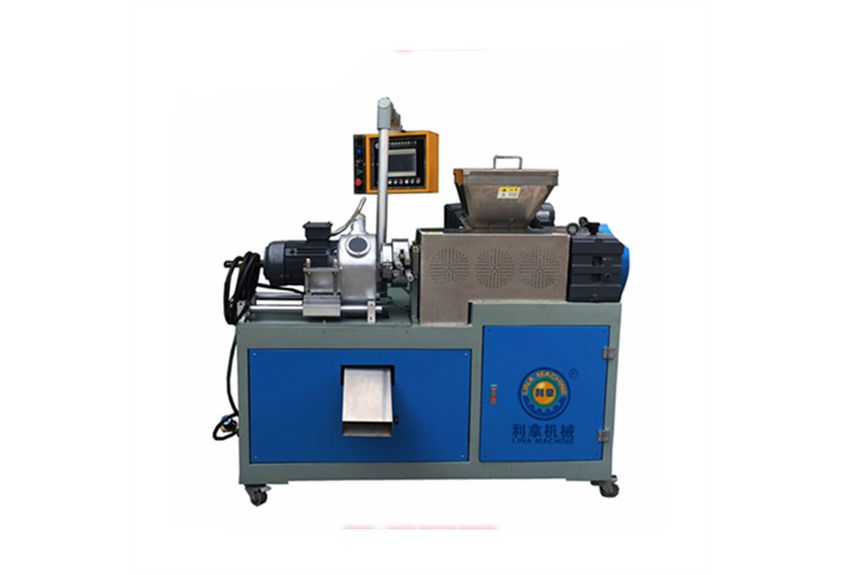
The ceramic powder forming machine operates on a variety of principles, depending on the type of milling process being used. Some machines use mechanical force to break down the clay, while others rely on chemical reactions to achieve the desired particle size. Regardless of the method used, the goal is to produce a uniform and consistent powder that can be easily incorporated into other materials and molded into various forms.
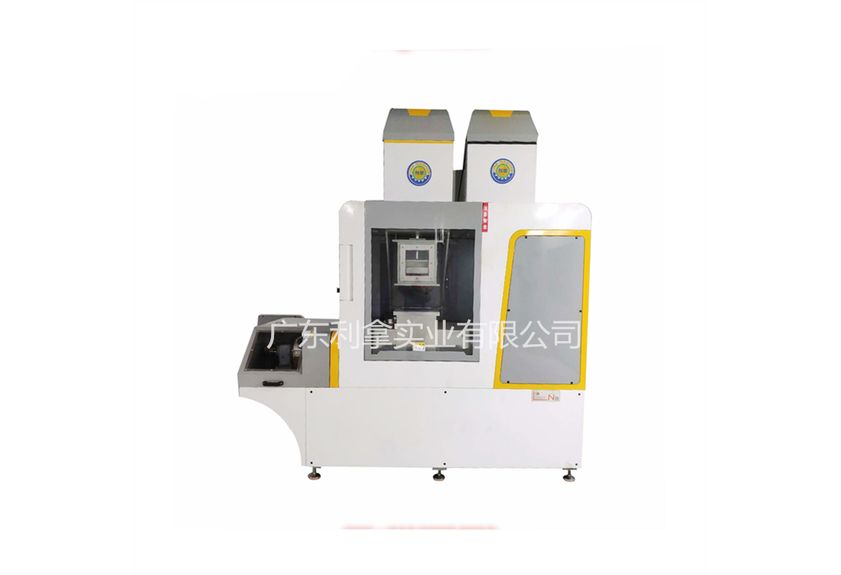
In addition to its technical capabilities, the ceramic powder forming machine also has a significant impact on the overall process of ceramic production. By using this machine, manufacturers can improve efficiency, reduce waste, and increase product quality. Furthermore, the ability to produce high-quality ceramic powder allows for the creation of more complex and innovative products that meet the demands of modern society.
1. Ceramic Powder Forming Machine
2. Clay Particles
3. Milling Process
4. Quality Control
5. Manufacturing Efficiency
This article provides an in-depth exploration of the importance of the ceramic powder forming machine in the production of high-quality ceramic products. We discuss the various techniques used in milling processes, highlighting the critical role played by the machine in ensuring consistent and uniform particle sizes. We also explore the benefits of using this machine in terms of improved efficiency, reduced waste, and increased product quality. By understanding the intricacies of the ceramic powder forming machine, manufacturers can optimize their production processes and create innovative ceramic products that meet the demands of modern society.