



The Ultimate Guide to Plastic Injection Molding Machines
Plastic injection molding machines are essential tools in the manufacturing industry, especially in the production of plastic products. These machines use compressed air or steam to force molten plastic into pre-formed cavities on a die, creating precise and uniform parts. In this article, we will explore the different types of plastic injection molding machines, their applications, and how they can benefit your business.
Firstly, there are two main types of plastic injection molding machines: vertical and horizontal. Vertical machines are taller and have a larger volume, making them ideal for large-scale production. They are also more expensive but offer better control over the process. Horizontal machines, on the other hand, are shorter and easier to maneuver, making them suitable for smaller batches or short runs.
Secondly, there are several types of plastic injection molding machines based on their design and capabilities. Some common types include:
1. Single-cavity machines: These machines have one cavity that is used for one part at a time. They are simple and cost-effective, but may not be able to produce complex parts.
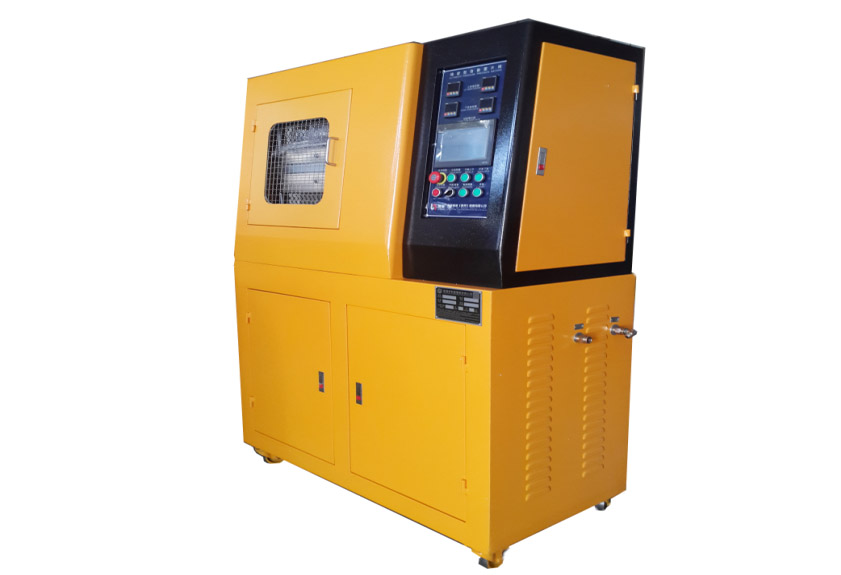
2. Multi-cavity machines: These machines have multiple cavities that can be used simultaneously. They are more versatile and can produce a wider range of parts, but they are also more expensive.
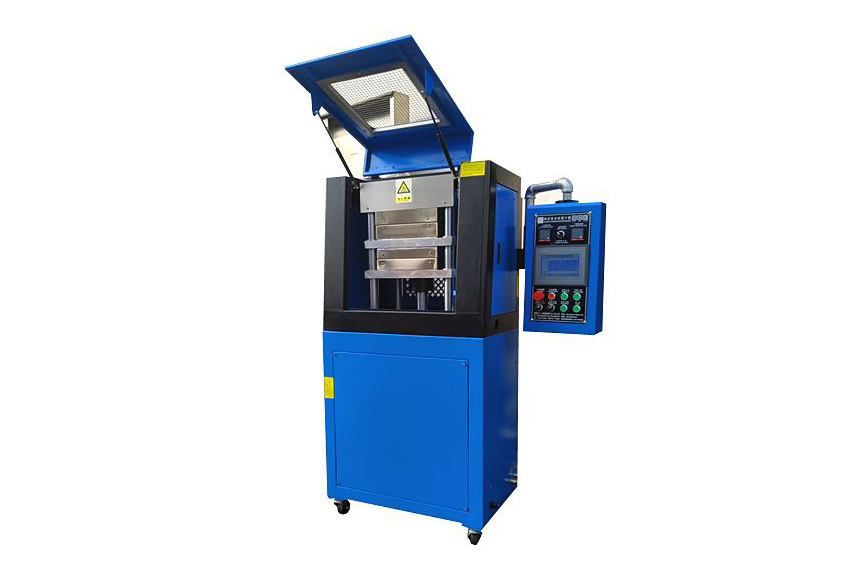
3. Rotational machines: These machines rotate the part as it is being injected, which helps to distribute the heat evenly and prevent warping. They are ideal for producing thinner parts with high precision.
4. Transfer molding machines: These machines transfer the plastic from a hot plate to a cold plate, which cools and solidifies the material. They are useful for producing parts with complex geometries and tight tolerances.
Applications of plastic injection molding machines are vast, including:
1. Automotive: Plastic injection molding machines are used to produce various automotive parts, such as bumpers, fenders, and interior trims.
2. Electronics: They are used to produce electronic components like circuit boards, connectors, and housings.
3. Plastics packaging: Plastic injection molding machines are used to produce plastic bags, bottles, and containers for food and beverage products.
4. Medical devices: They are used to produce medical equipment like surgical instruments, prosthetics, and implants.
Benefits of using plastic injection molding machines include:
1. Cost savings: They can save time and money by reducing the need for manual labor and minimizing scrap.
2. Quality control: Plastic injection molding machines can produce parts with consistent quality and dimensional accuracy.
3. Customization: They can produce custom parts that cannot be made using other methods.
4. Environmental friendliness: Plastic injection molding machines use less energy and produce fewer waste products than traditional methods.
In conclusion, plastic injection molding machines are essential tools in the manufacturing industry, providing numerous benefits to businesses. By understanding the different types of machines and their applications, you can choose the right machine for your needs and maximize your profits.