



The Extruder Machine for Melt-Blown Fabric Production
The melt-blown fabric production process is a crucial step in the textile industry, where high-quality fabrics are produced using a special type of extruder machine. This article will provide an overview of the melt-blown fabric extruder machine, its working principle, and its application in various industries.
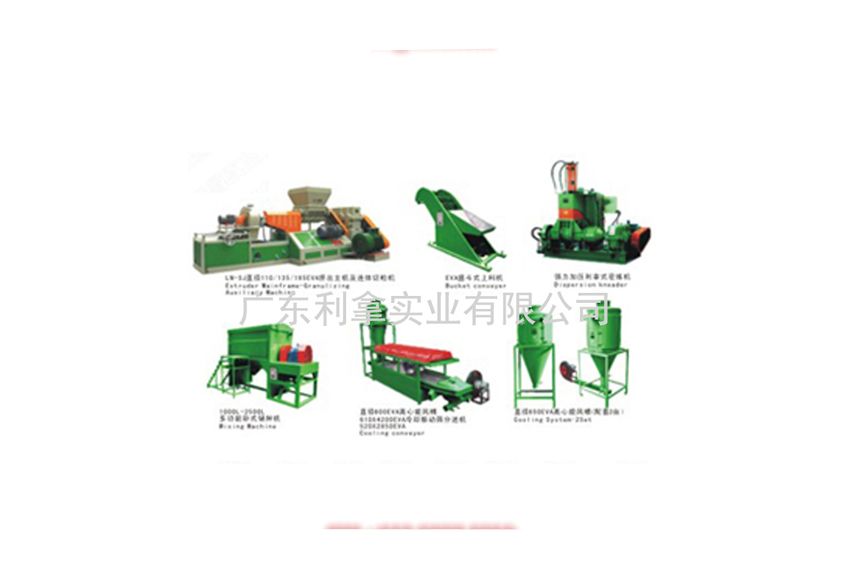
The melt-blown fabric extruder machine is a specialized equipment used to produce fabrics from polymer melts. It consists of several components, including the feeder, screw, die, and cooling system. The feeder is responsible for feeding the polymer melt into the extruder, while the screw is responsible for mixing and distributing the melt evenly throughout the extruder. The die is used to shape the melt into the desired fabric shape, while the cooling system helps to solidify the fabric.
The working principle of the melt-blown fabric extruder machine is based on the principle of viscous flow. As the polymer melt enters the extruder, it encounters resistance from the screw, causing it to flow through the die and form the desired fabric shape. The temperature of the melt also plays a significant role in the process, as it affects the viscosity of the melt and the rate at which it flows through the die.
Melt-blown fabric extruder machines are widely used in various industries, including healthcare, sportswear, and automotive. In healthcare, they are used to produce medical masks and other protective gear. In sportswear, they are used to produce athletic wear and accessories. In automotive, they are used to produce interior lining and other materials for vehicles.
In conclusion, the melt-blown fabric extruder machine is a crucial component in the textile industry, providing high-quality fabrics for various applications. Its working principle and application make it an essential piece of equipment for any textile manufacturer.