



The Integration of EVA, TPR, and PVC Pulping Lines: A Comprehensive Guide
In the realm of polymer processing, the integration of different types of plastics into a single production line is a common practice. This is particularly true for the EVA (Ethylene Vinyl Acetate), TPR (Thermoplastic Rubber), and PVC (Polyvinyl Chloride) pulping lines, which are essential in the manufacturing of various products such as flooring, automotive parts, and packaging materials. In this article, we will delve into the technical aspects of these three types of plastics and their respective pulping lines, providing an overview of their characteristics, applications, and how they can be integrated into a cohesive production process.
1. EVA Pulp Line
EVA, also known as Ethylene Vinyl Acetate, is a thermoplastic elastomer that is widely used in the production of films, sheets, and foams. Its unique properties include high flexibility, tear strength, and impact resistance, making it an ideal material for applications such as automotive interiors, sports equipment, and outdoor furniture.
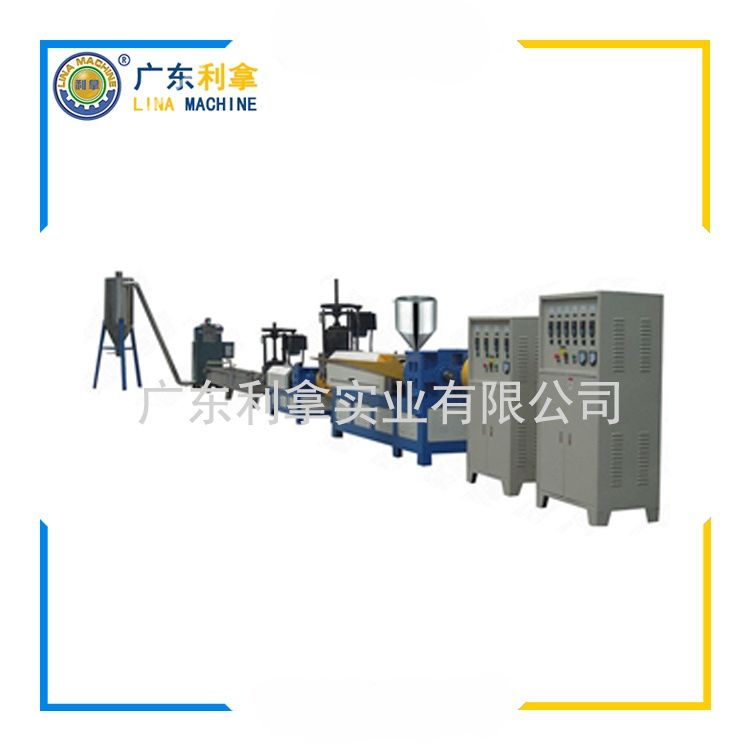
The EVA pulp line consists of several stages, including melt extrusion, cooling, and granulation. During the extrusion stage, the raw EVA material is melted and forced through a die to form a continuous filament. The filament then enters the cooling stage where it is cooled down to solidify. Finally, the solidified filament is granulated into small pellets before being collected and stored for further use.
2. TPR Pulp Line
TPR, or Thermoplastic Rubber, is a type of thermoplastic elastomer that has excellent elasticity and toughness. It is commonly used in the production of automotive parts, such as bumpers, door panels, and seats, as well as in the manufacture of footwear and other wearable goods.
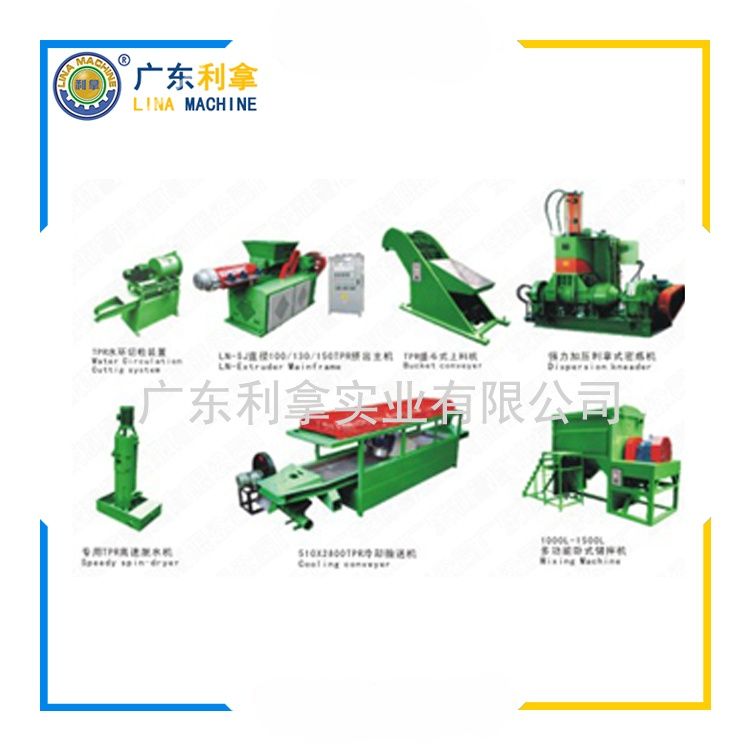
The TPR pulp line operates similarly to the EVA pulp line, with the main difference being the final product's physical properties. Unlike EVA, TPR is more flexible and stretchable, making it ideal for applications where flexibility is critical. The TPR pulp line typically includes melt extrusion, cooling, and granulation stages, but the specific steps may vary depending on the specific application requirements.
3. PVC Pulp Line
PVC, or Polyvinyl Chloride, is a versatile plastic material that is widely used in the production of pipes, fittings, and moldings. Its durability and resistance to chemicals make it an ideal choice for outdoor and industrial applications.
The PVC pulp line is designed to produce granules from the raw PVC material. The process begins with the melting of the PVC material in a furnace, followed by its injection into a die to form a continuous filament. The filament is then cooled down to solidify and granulated into small pellets before being collected and stored for further use.
Integration of EVA, TPR, and PVC Pulp Lines
When integrating EVA, TPR, and PVC pulp lines into a cohesive production process, several factors need to be considered. Firstly, the raw materials must be sourced from reliable suppliers and processed according to industry standards to ensure consistency and quality. Secondly, the appropriate machinery and equipment must be selected based on the specific needs of each application, taking into account factors such as material flow rates, temperature control, and energy efficiency.
Thirdly, proper waste management strategies must be implemented to minimize environmental impact and reduce costs. For example, recycling scrap materials can help reduce the amount of raw material required and lower production costs. Additionally, using energy-efficient technologies and processes can further enhance sustainability and profitability.
Finally, regular maintenance and inspections of the equipment are crucial to ensure optimal performance and minimize downtime. By following these best practices, manufacturers can achieve efficient and cost-effective production while minimizing environmental impact.
- EVA Pulp Line
- TPR Pulp Line
- PVC Pulp Line
- Plastic Processing
- Integrated Production Line
- Energy Efficiency
- Sustainability
- Waste Management
- Maintenance and Inspections
This comprehensive guide provides an in-depth understanding of the EVA, TPR, and PVC pulping lines, highlighting their technical aspects, applications, and integration into a cohesive production process