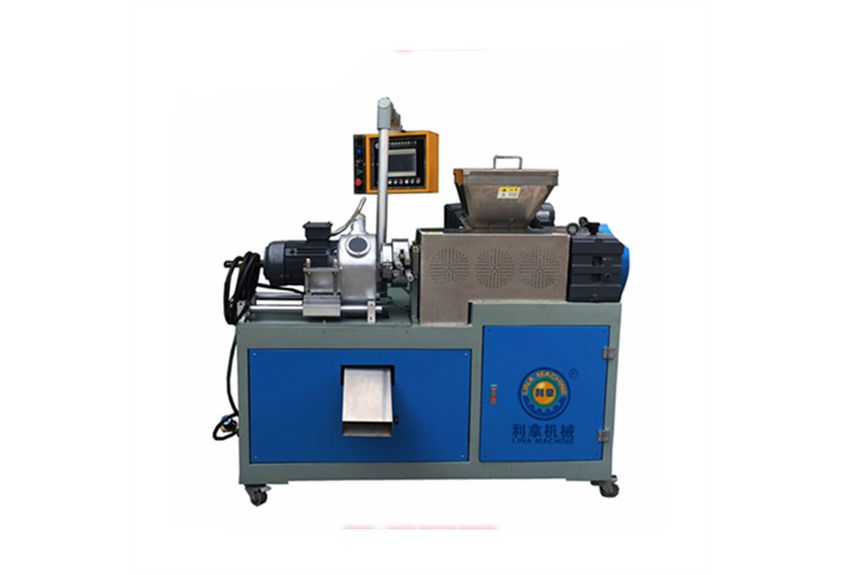
The Art of Clay Particle Formation: An Overview of Ceramic Powder Grinding Machines
Ceramic powder grinding machines are essential tools in the ceramics industry, enabling the creation of high-quality ceramic products with consistent particle sizes. These machines use a variety of techniques to process raw materials into finely ground ceramic powders, which are then used in various applications such as electronics, construction, and automotive industries. In this article, we will explore the different types of ceramic powder grinding machines available and their unique features.
One of the most common types of ceramic powder grinding machines is the ball mill. This machine uses steel balls to grind the raw materials, resulting in a uniform distribution of particles throughout the powder. Ball mills are versatile and can be used for both wet and dry grinding processes. They are ideal for small-scale production and are often used in conjunction with other grinding techniques to achieve the desired particle size.
Another popular type of ceramic powder grinding machine is the rod mill. This machine uses a rotating rod to crush the raw materials, resulting in a more even particle size distribution compared to ball mills. Rod mills are suitable for larger-scale production and are commonly used in the manufacturing of ceramic tiles and bricks.
In addition to these traditional grinding machines, there are also more advanced technologies available for ceramic powder processing. For example, ultrasonic grinding machines use high-frequency sound waves to break down the raw materials, resulting in a more refined particle size distribution. These machines are particularly useful for processing complex materials that are difficult to grind using traditional methods.
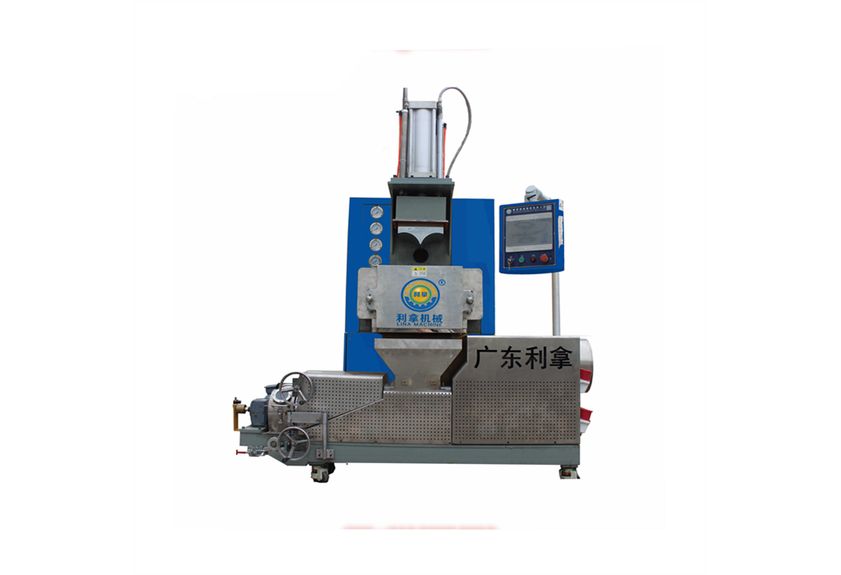
Overall, the choice of ceramic powder grinding machine depends on the specific requirements of the application and the desired particle size. By carefully selecting the right machine, manufacturers can produce ceramic products with superior quality and performance.