



The Art of Particle Formation in Ceramic Powder Making Machines
Ceramic powder making machines play a crucial role in the production of ceramic materials. These machines are designed to process raw materials into fine, uniformly sized particles that can be used in various applications such as electronics, construction, and automotive industries. In this article, we will explore the different types of ceramic powder making machines, their advantages, and how they contribute to the overall quality of ceramic products.
One of the most common types of ceramic powder making machines is the ball mill. This machine uses grinding media to break down the raw materials into smaller particles. The advantage of using a ball mill is that it can produce a wide range of particle sizes, which is important for some applications. However, the downside is that it requires a significant amount of energy to operate, which can increase the cost of production.
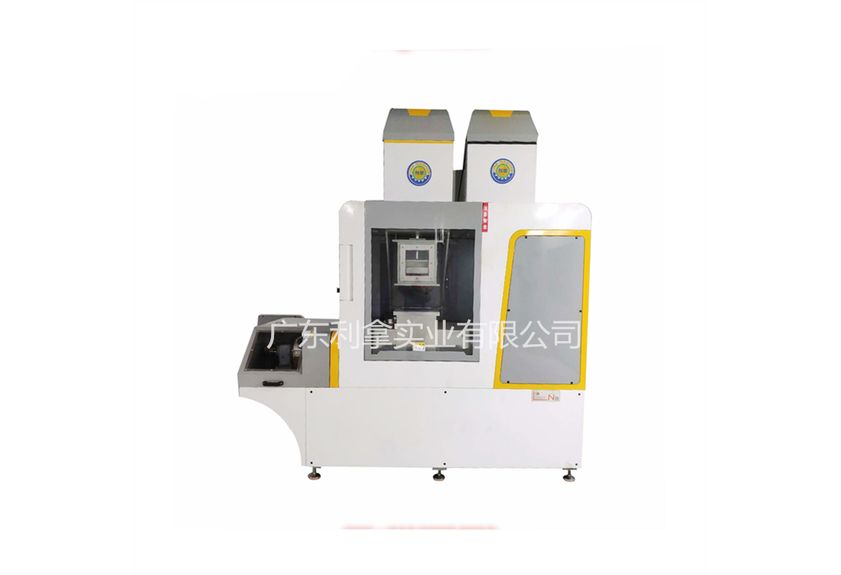
Another popular type of ceramic powder making machine is the jet mill. This machine uses high-pressure water to atomize the raw materials, resulting in very small particles. The advantage of using a jet mill is that it produces more consistent particle sizes than a ball mill. However, it can be more expensive to operate and maintain compared to other types of machines.
In addition to these two types of machines, there are also other specialized devices available for producing ceramic powders. For example, the fluidized bed reactor is used to produce ceramic powders by reacting raw materials with gases at high temperatures. This method produces powders with a higher purity and lower impurities than traditional methods.
The quality of ceramic powders produced by these machines is critical to the success of many industrial applications. The particles must be uniformly sized and free from impurities to ensure optimal performance in electronics, construction, and automotive industries. Therefore, manufacturers must carefully select the appropriate machine for their specific needs and optimize the operating parameters to achieve the desired results.
1. Ceramic Powder Making Machines
2. Ball Mill
3. Jet Mill
4. Fluidized Bed Reactor
5. Quality Control
This article provides an in-depth analysis of the different types of ceramic powder making machines, including their advantages and disadvantages, as well as their impact on the overall quality of ceramic products. By understanding the key features of each machine and how they can be optimized for specific applications, manufacturers can ensure that their products meet the highest standards of quality and consistency.