
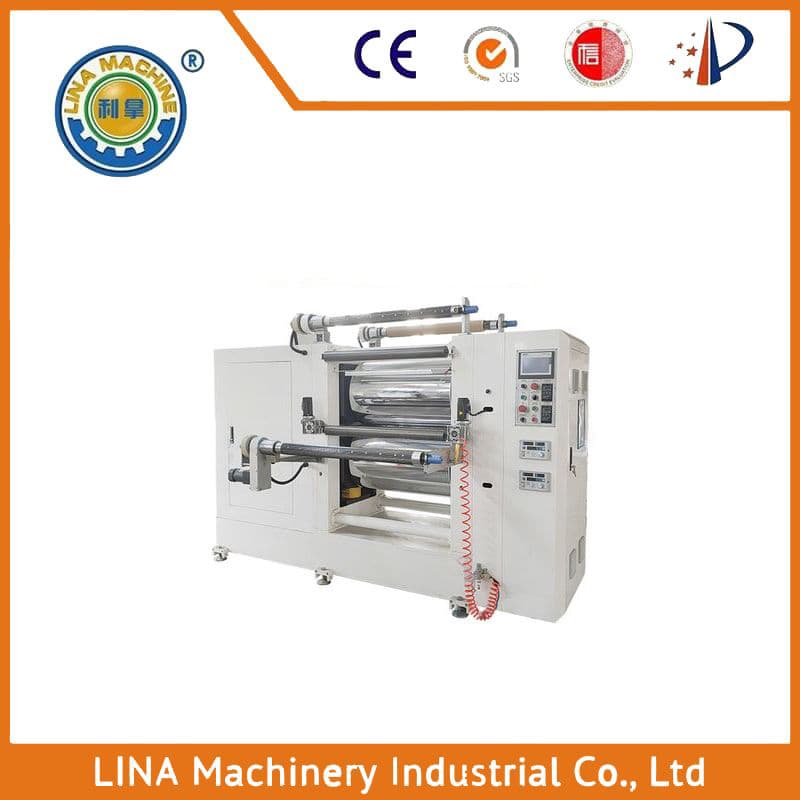
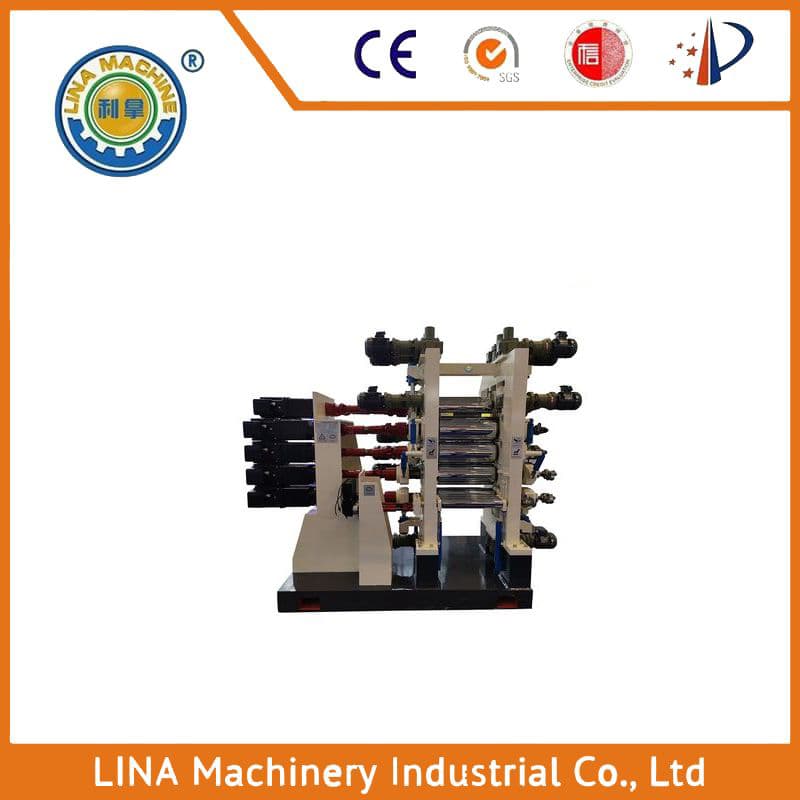
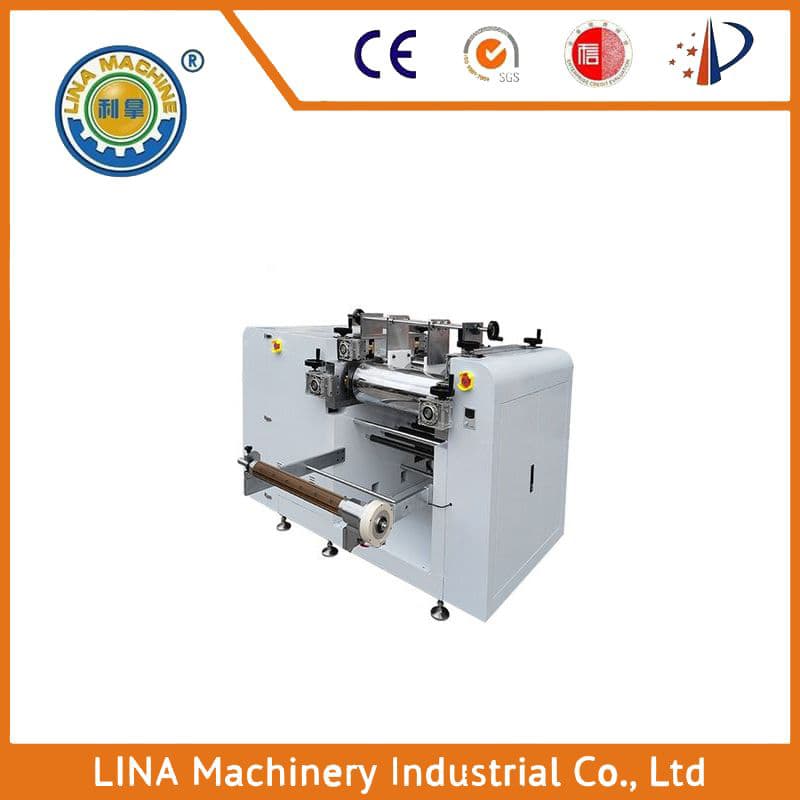
The Role of the Mixing Machine in the Manufacturing Industry
The mixing machine is a crucial tool in the manufacturing industry, used to combine and homogenize materials. It plays a significant role in various industries such as food processing, pharmaceuticals, and chemical engineering. The mixer's efficiency and performance directly impact the quality and consistency of the final product. In this article, we will explore the different types of mixing machines, their applications, and how they contribute to the overall process.
Types of Mixing Machines:
There are several types of mixing machines available in the market, each with its unique features and capabilities. Some of the most common types include:
1. Homogenizers: These machines use high-speed impellers to break down solid particles into smaller sizes, resulting in a more uniform mixture. They are commonly used in food processing and pharmaceuticals.
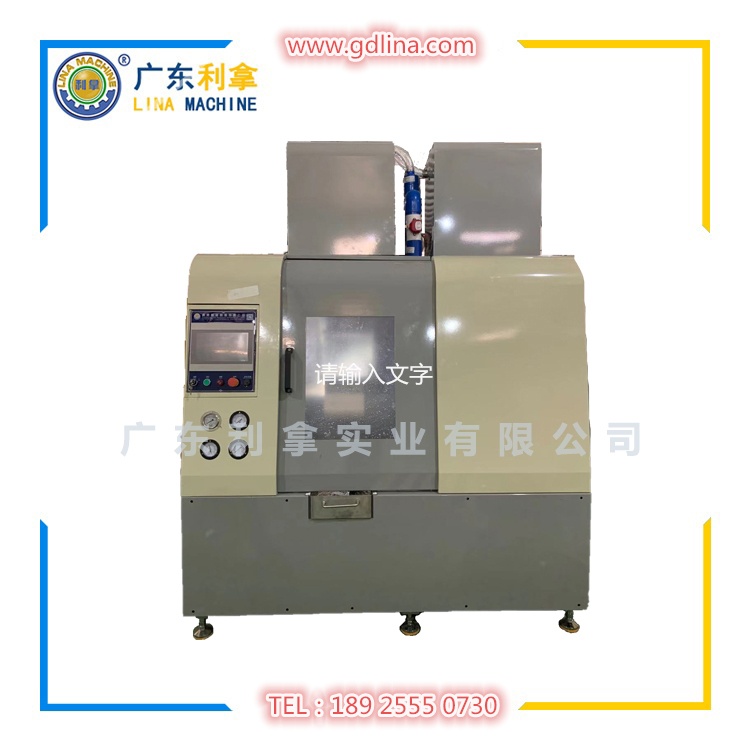
2. Kneaders: These machines use rotating blades to mix ingredients together, creating a smooth texture. They are widely used in baking and pastry making.
3. Turbulence Mixers: These machines create turbulent flow by using impellers that rotate at high speeds. They are ideal for mixing thick or viscous materials.
4. Stirrers: These machines use rotating impellers to mix ingredients, creating a gentle and even blend. They are commonly used in breweries and chemical plants.
Applications:
The mixing machine's application is diverse, ranging from small-scale kitchen appliances to large-scale industrial processes. Here are some examples:
1. Food Processing: Mixing machines are essential in food processing industries, where they are used to mix ingredients like flour, sugar, and oil to create doughs, batters, and sauces.
2. Pharmaceuticals: In the pharmaceutical industry, mixing machines are used to mix active pharmaceutical ingredients (APIs) with excipients to produce tablets, capsules, and other dosage forms.
3. Chemical Engineering: Mixing machines are used in chemical engineering to mix reactants and catalysts to facilitate reactions and optimize yields.
4. Biotechnology: In biotechnology, mixing machines are used to mix enzymes, DNA, and other biomolecules to facilitate enzymatic reactions and drug synthesis.
Contribution to the Process:
The mixing machine's contribution to the process is significant. It ensures that the ingredients are thoroughly mixed, preventing clumping or separation. This results in a more consistent and uniform product, which can improve quality and yield. Additionally, the mixing machine's ability to handle a wide range of materials makes it versatile and adaptable to different processes.
In conclusion, the mixing machine is an essential tool in the manufacturing industry, used to combine and homogenize materials. Its application is diverse, ranging from small-scale kitchen appliances to large-scale industrial processes. The mixing machine's contribution to the process is significant, ensuring that the ingredients are thoroughly mixed and resulting in a more consistent and uniform product.