



The Integration of Rubber and Plastic in Composite Granulation Production Lines
The development of the composite granulation production line has revolutionized the manufacturing process of rubber and plastic products. This innovative technology allows for the seamless integration of two distinct materials, rubber and plastic, into a single product. The result is a product that possesses the strength and flexibility of rubber, while also offering the durability and resistance to wear and tear of plastic.
The key to this successful integration lies in the use of specialized equipment and techniques. The rubber and plastic are first mixed together in a high-speed mixer, which ensures that they are thoroughly blended and evenly distributed throughout the material. This mixture is then fed into a granulator, where it is further processed and granulated into small, uniform particles.
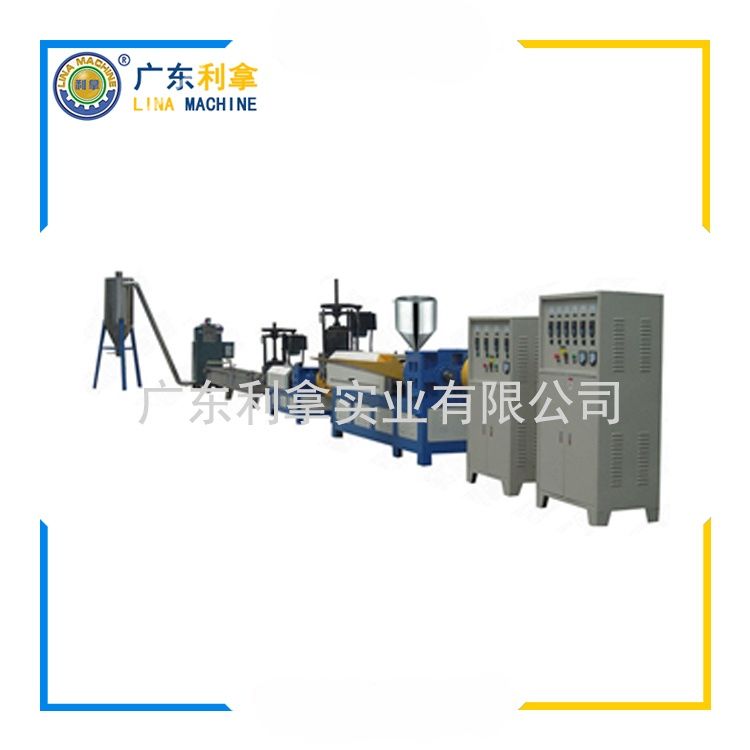
The granulation process is crucial in ensuring that the final product is of consistent quality and performance. The granulator uses specialized machinery to break down the rubber and plastic particles into smaller sizes, which helps to improve their flowability and compatibility. This results in a product that is easier to mold and shape, as well as more resistant to deformation and wear.
In addition to its technical benefits, the integration of rubber and plastic in composite granulation production lines also offers significant cost savings. By using a single material instead of two separate ones, manufacturers can reduce their raw material costs, as well as their energy consumption and waste generation. This not only saves money but also contributes to environmental sustainability by reducing the need for landfill space and other resources.
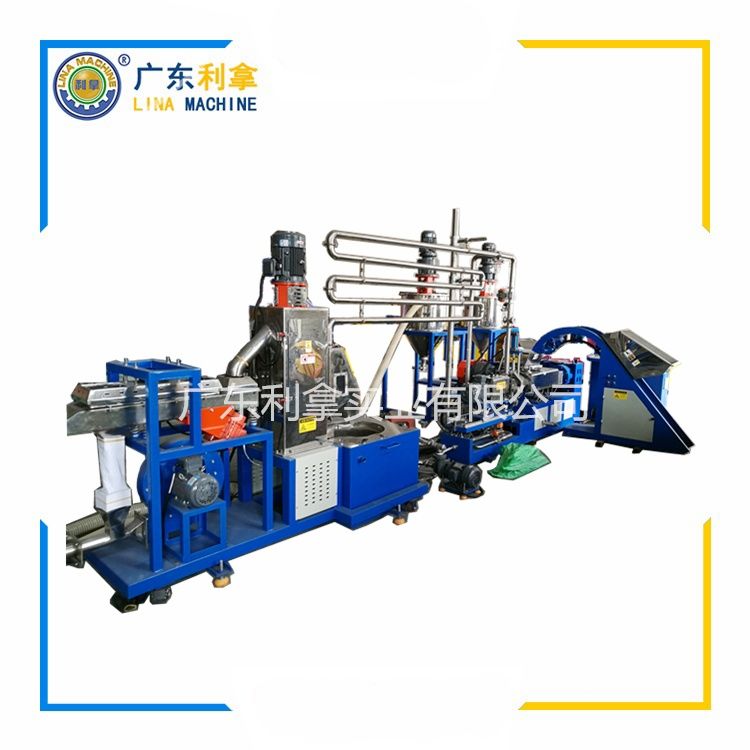
Overall, the integration of rubber and plastic in composite granulation production lines represents a major advancement in the field of polymer processing. It offers a cost-effective and efficient way to produce high-quality products that combine the best features of both materials. As the demand for sustainable and eco-friendly materials continues to grow, this technology will undoubtedly play an increasingly important role in the future of polymer manufacturing.