
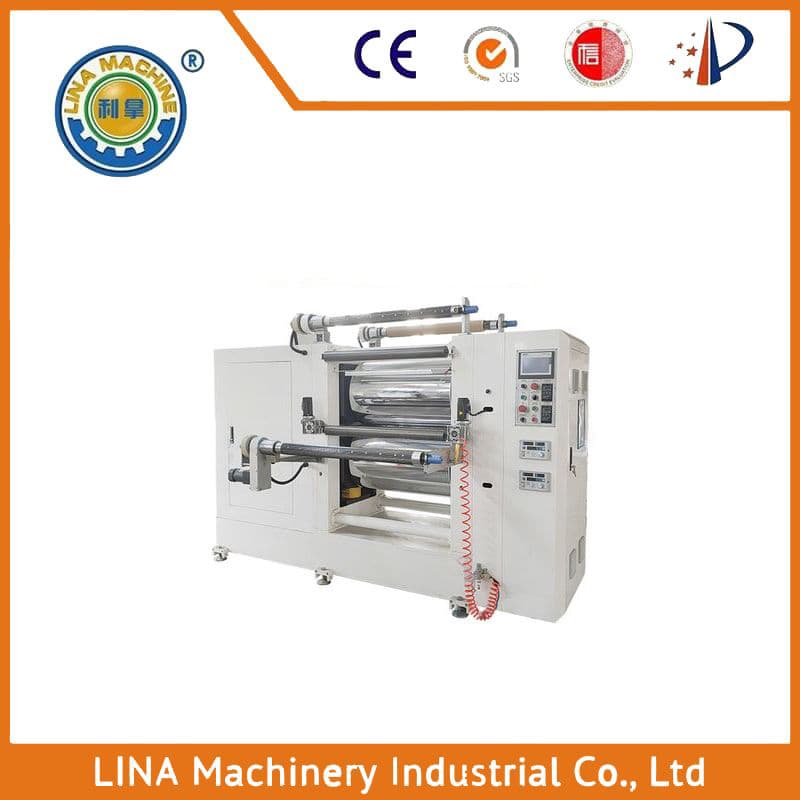
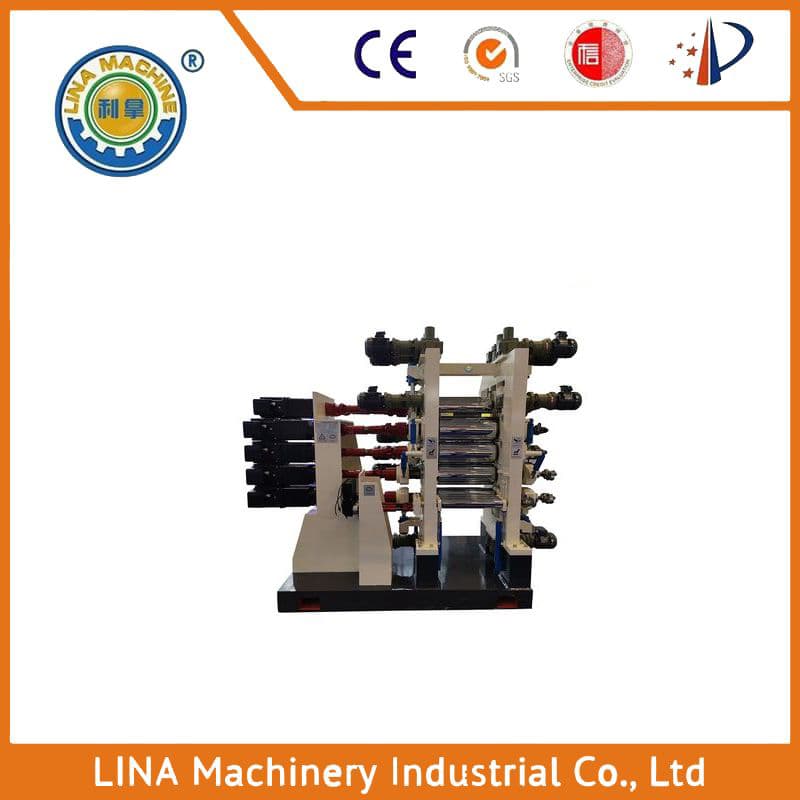
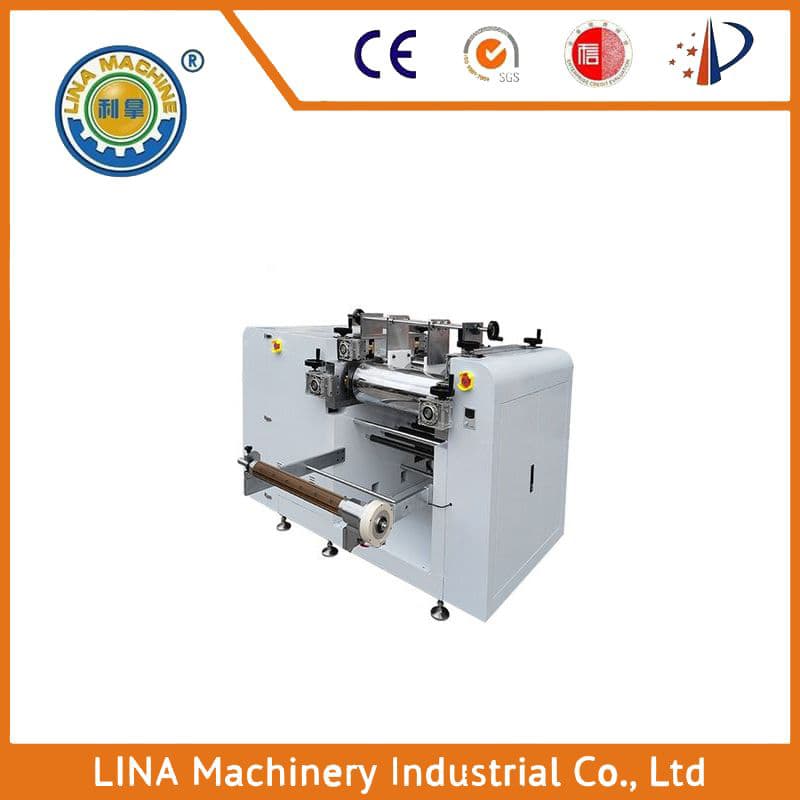
The Art of Rubber Making: An Overview of Rubber Processing Machines
Rubber processing machines play a crucial role in the production of rubber products, from automobile tires to hoses and gloves. These machines are designed to process raw rubber materials into finished products with precision and consistency. In this article, we will explore the different types of rubber processing machines and their functions.
The first type of rubber processing machine is the vulcanization machine. This machine heats and cures rubber sheets or sheets of vulcanized rubber to create a durable material that can withstand high temperatures and pressure. Vulcanization machines are used in the tire industry, where they are responsible for forming the tread patterns on tires.
Another type of rubber processing machine is the extruder. Extruders are used to form rubber sheets into various shapes and sizes. They are commonly used in the manufacturing of hoses, gloves, and other rubber products. Extruders have a series of dies that shape the rubber sheet as it moves through the machine.
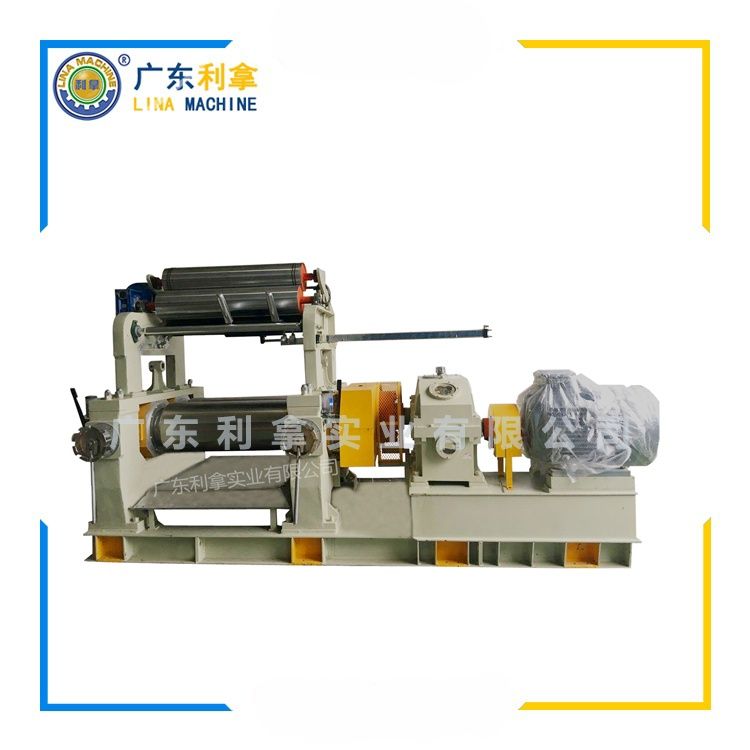
The third type of rubber processing machine is the compression molding machine. This machine presses two pieces of rubber together to create a solid product. It is commonly used in the manufacturing of automotive parts such as brake pads and clutch covers.
Finally, there is the compounding machine. Compounding machines mix different rubber compounds together to create a uniform material that can be processed by other machines. This is important because not all rubber products require the same properties, so it is necessary to use a compounding machine to create the right mix.
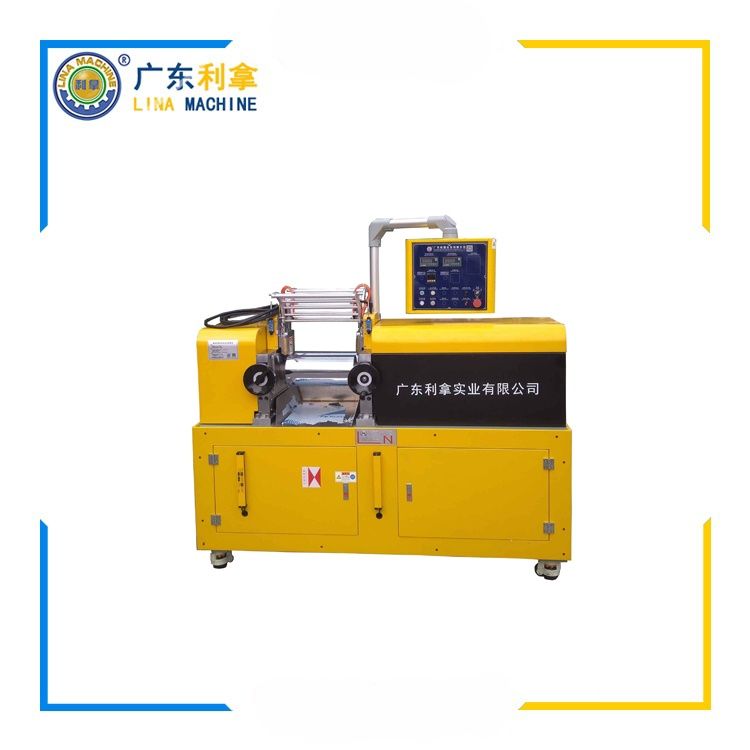
In conclusion, rubber processing machines play a vital role in the production of rubber products. By understanding the different types of machines and their functions, manufacturers can ensure that their products meet the highest standards of quality and durability.