
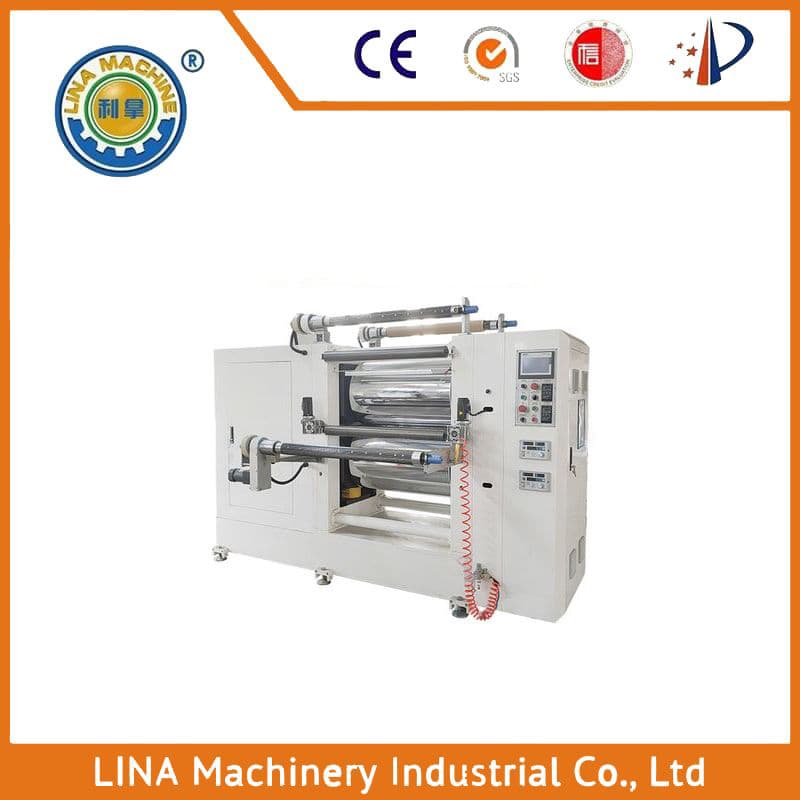
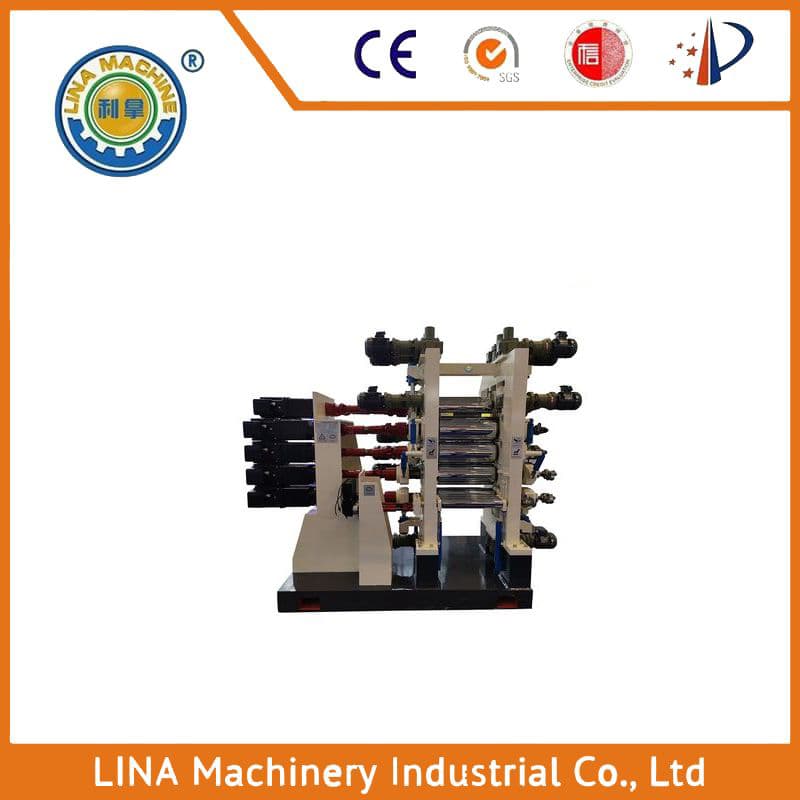
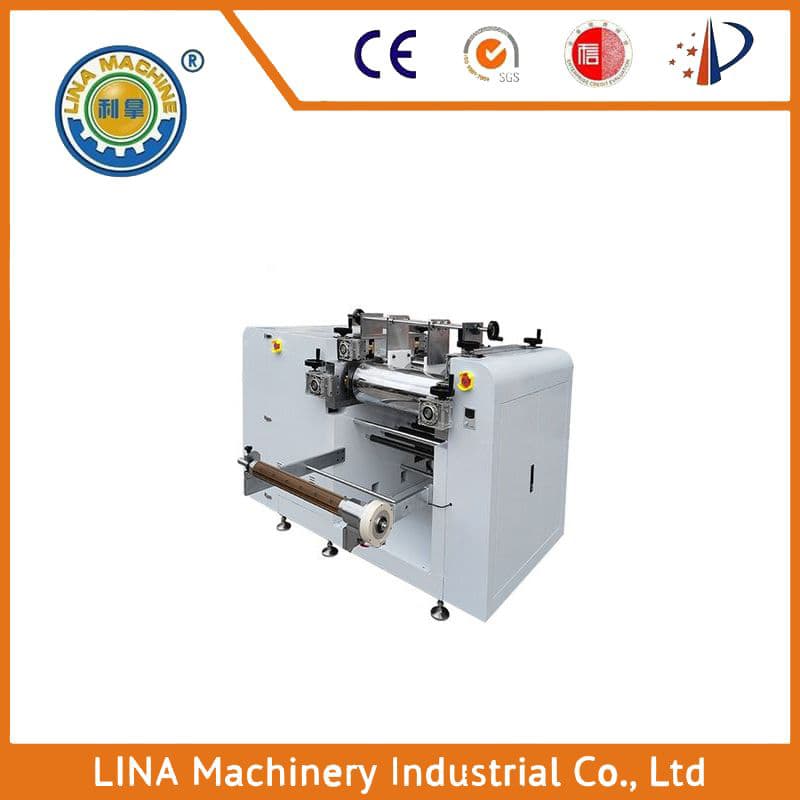
The Art of Rubber Making - An Introduction to Rubber Machines
In the realm of rubber manufacturing, the art of creating high-quality rubber products is often attributed to the precision and efficiency of the machinery used. One such machine that plays a crucial role in this process is the rubber machine. This article aims to provide an overview of the different types of rubber machines available, their functions, and how they contribute to the overall success of the rubber manufacturing process.
Firstly, let us delve into the basics of rubber machines. These machines are designed to transform raw materials into finished rubber products, such as tires, hoses, and gloves. They come in various sizes and configurations, depending on the specific application and requirements of the end user. Some common types of rubber machines include extrusion machines, compression machines, and blow molding machines.
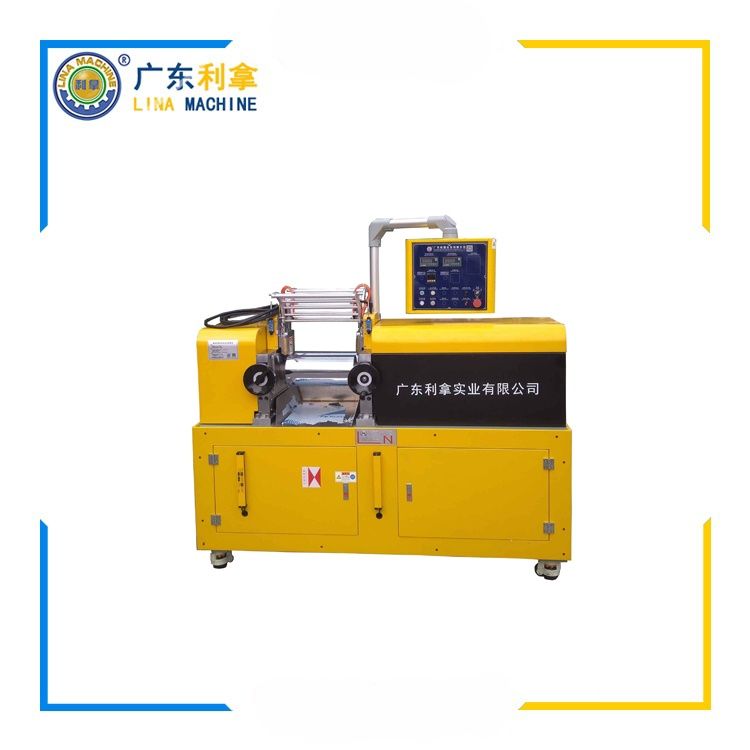
Extrusion machines are essential for producing sheets, films, and profiles of rubber. They use heat and pressure to melt the rubber and then extrude it through a die to create the desired shape. Compression machines, on the other hand, are used for shaping rubber into various shapes such as tubes, rods, and spheres. Finally, blow molding machines are used for creating complex shapes such as automobile tires or medical devices.
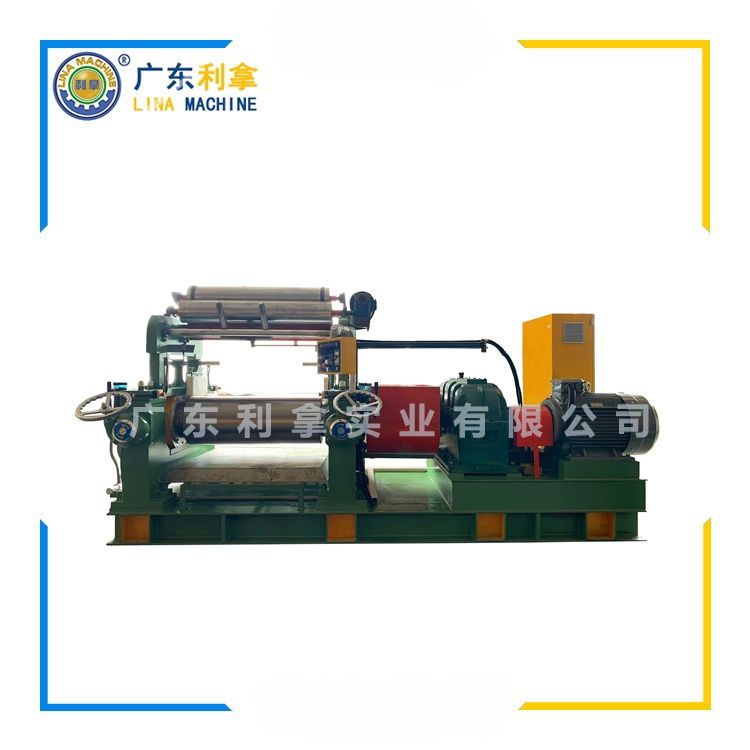
The function of each type of rubber machine is critical in ensuring the quality and consistency of the final product. For example, extrusion machines require precise temperature control and consistent flow rates to produce uniform sheets of rubber. Compression machines need to be able to handle large volumes of material while maintaining consistent pressure and shape. Blow molding machines, on the other hand, require precise control over the air pressure and temperature to achieve the desired surface finish and density.
In addition to their technical functions, rubber machines also play a significant role in enhancing productivity and reducing waste. By using automation and computerized controls, these machines can operate at higher speeds and with greater accuracy, resulting in increased output and reduced downtime. Additionally, by utilizing closed-loop systems and sensors, these machines can detect any defects or errors early on, allowing for immediate correction and minimizing waste.
In conclusion, rubber machines are an integral part of the rubber manufacturing process, providing precision, efficiency, and consistency in the production of high-quality rubber products. From extrusion to compression to blow molding, each type of machine has its unique function and contributes to the overall success of the manufacturing process. As technology continues to advance, we can expect to see even more sophisticated and efficient rubber machines on the market, further enhancing our ability to manufacture high-quality rubber products.