The Art of Consolidation and Granulation in Ceramic Powder Processing
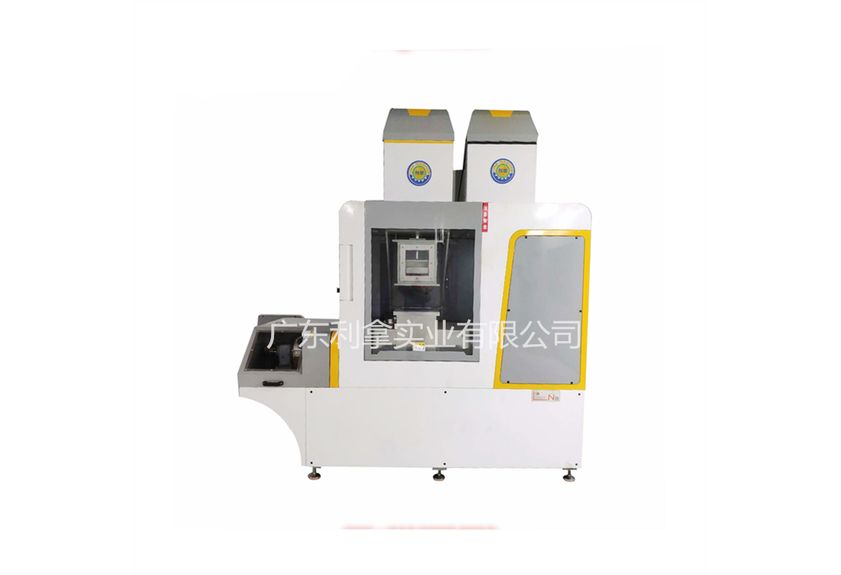
The ceramic industry is a highly specialized field that demands precision and consistency in the production process. One of the key steps in this process is the consolidation and granulation of ceramic powders, which involves combining them into a cohesive mass that can be molded into desired shapes. In recent years, there has been a growing demand for efficient and cost-effective methods of producing these materials, leading to the development of advanced equipment such as the Ceramic Powder Consolidation and Granulation Integrated Machine (CPCGM). This article aims to provide an overview of the CPCGM, its features, and how it contributes to the success of ceramic powder processing.
The CPCGM is a versatile piece of equipment designed to handle a wide range of ceramic powders, from finely divided particles to coarse aggregates. It combines the functions of two separate machines - the consolidator and the granulator - into a single unit, allowing for more efficient and streamlined operations. The consolidator portion of the CPCGM uses high-pressure air or water jets to compress and compact the powder, while the granulator portion applies heat and pressure to break down the compacted material into smaller particles.
One of the key advantages of the CPCGM is its ability to produce granulated powders with consistent size distribution and shape. This is achieved through precise control over the granulation parameters, such as temperature, pressure, and time, which are all monitored and adjusted by the machine's computer system. By adjusting these variables, operators can optimize the final product's properties, including density, porosity, and strength.
Another significant benefit of the CPCGM is its flexibility in handling different types of ceramic powders. The machine's internal components are designed to accommodate a wide range of particle sizes and shapes, making it suitable for applications ranging from small scale laboratory experiments to large-scale industrial production. This adaptability ensures that the CPCGM can be used to produce ceramic materials for a variety of purposes, including electronics, automotive, and construction industries.
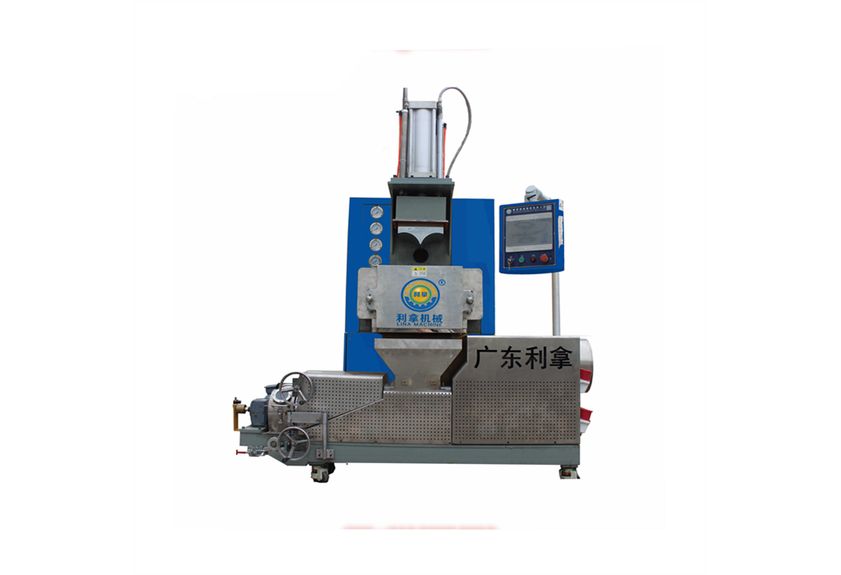
In addition to its technical advantages, the CPCGM also offers several operational benefits. For example, its compact design allows for easy transportation and installation, making it ideal for use in remote locations or on-site production facilities. Additionally, the machine's automation features make it possible to operate it with minimal human intervention, reducing labor costs and increasing efficiency.
In conclusion, the CPCGM represents a significant advancement in the field of ceramic powder processing. Its combination of consolidation and granulation functions, along with its ability to produce granulated powders with consistent properties and adaptability to a wide range of powder types, makes it a valuable tool for ceramic manufacturers looking to improve their product quality and efficiency. As the demand for high-quality ceramic materials continues to grow, the CPCGM will undoubtedly continue to play a crucial role in shaping the future of this exciting industry.