The Laboratory Rolling Mill: A Critical Component in Chemical and Materials Science
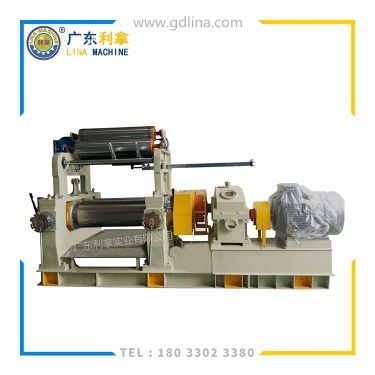
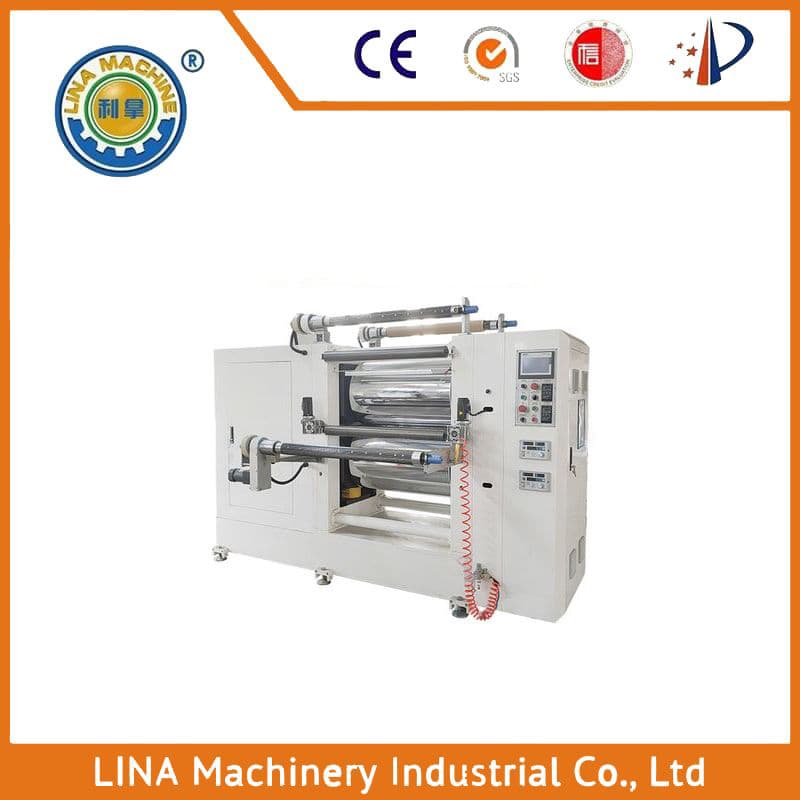
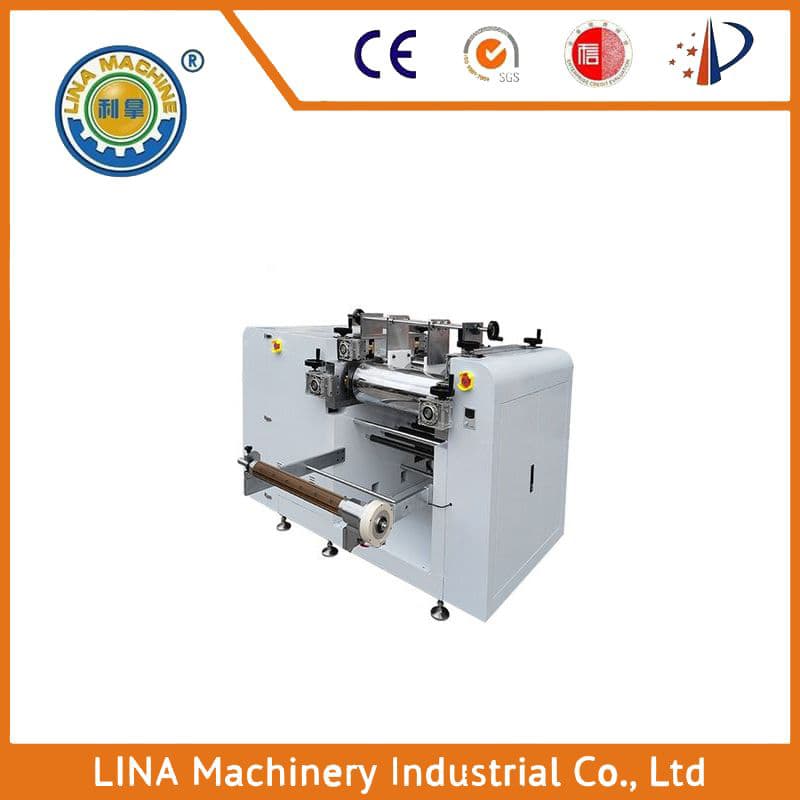
The laboratory rolling mill is a critical component in the field of chemical and materials science. It is used to produce high-quality, uniformly textured sheets of metal or alloy by rolling them between two rollers under controlled conditions. This process is essential for many industrial applications, including the production of sheet metal, wire, and foil.
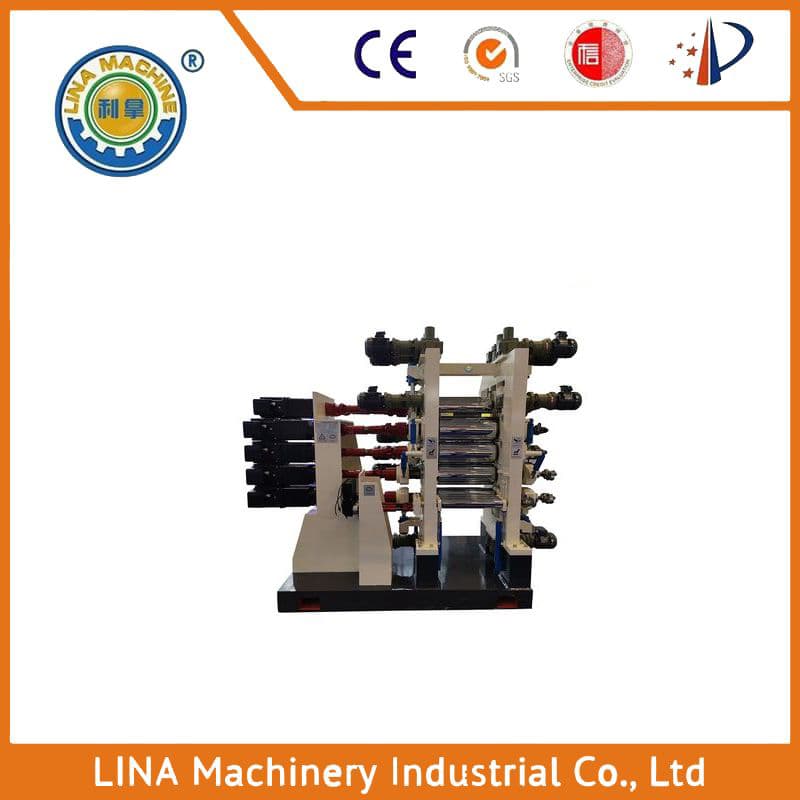
The rolling mill consists of a series of rollers that are mounted on a shaft and rotate at high speeds. The material to be rolled is fed into the machine through a feeder system, which delivers it to the rollers. As the material moves along the rollers, it is subjected to intense pressure and heat, causing it to undergo plastic deformation. This deformation results in the formation of a continuous, uniform sheet with a desired thickness and texture.
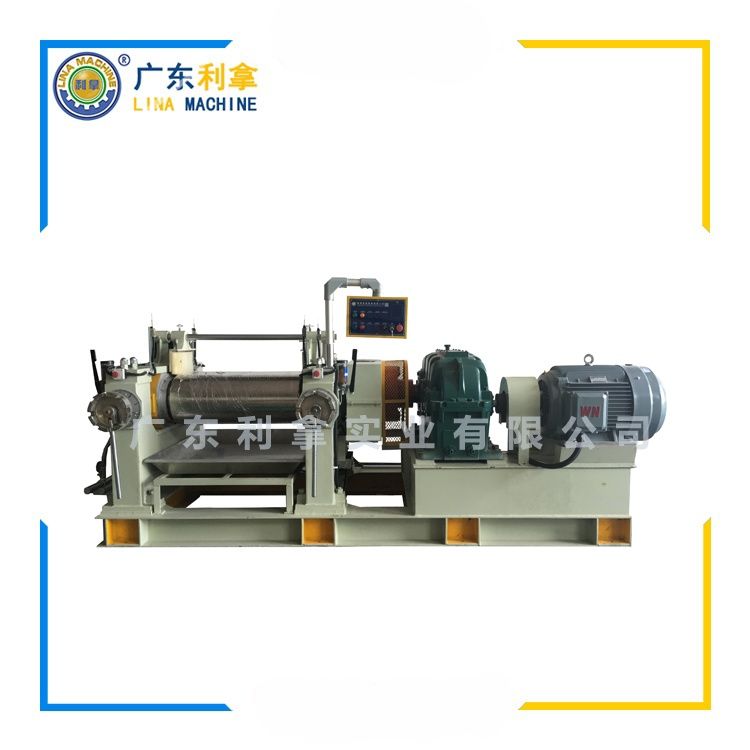
The rolling mill is designed to operate at high temperatures and pressures, which require specialized equipment and expertise. The rollers are made from high-carbon steel or other durable materials that can withstand the intense forces generated during the rolling process. The feeder system is also designed to handle large volumes of material quickly and efficiently.
In addition to its technical advantages, the rolling mill has a significant impact on the quality of the final product. By controlling the temperature and pressure during the rolling process, the mill can produce sheets with superior mechanical properties, such as strength, toughness, and ductility. This makes it an ideal tool for the manufacture of various engineering components, including aircraft parts, automotive components, and electronic devices.

Overall, the laboratory rolling mill is a vital tool in the field of chemical and materials science. Its ability to produce high-quality, uniformly textured sheets of metal or alloy makes it an essential component in the manufacturing process. As technology continues to advance, the capabilities of the rolling mill will continue to evolve, allowing for even greater precision and efficiency in the production of high-quality materials.