The Role of Ceramic Powder Consolidation and Granulation Integrated Machinery
The ceramic industry is a crucial sector in the manufacturing of high-quality ceramic products. One of the critical steps in this process is the consolidation and granulation of ceramic powders. This process involves mixing, compacting, and shaping the powder to form a solid mass that can be further processed into finished products. In recent years, there has been a growing demand for efficient and cost-effective methods of consolidating and granulating ceramic powders. To meet this demand, manufacturers have turned to the use of integrated machinery systems that combine multiple functions within a single machine. One such system is the ceramic powder consolidation and granulation integrated machine.
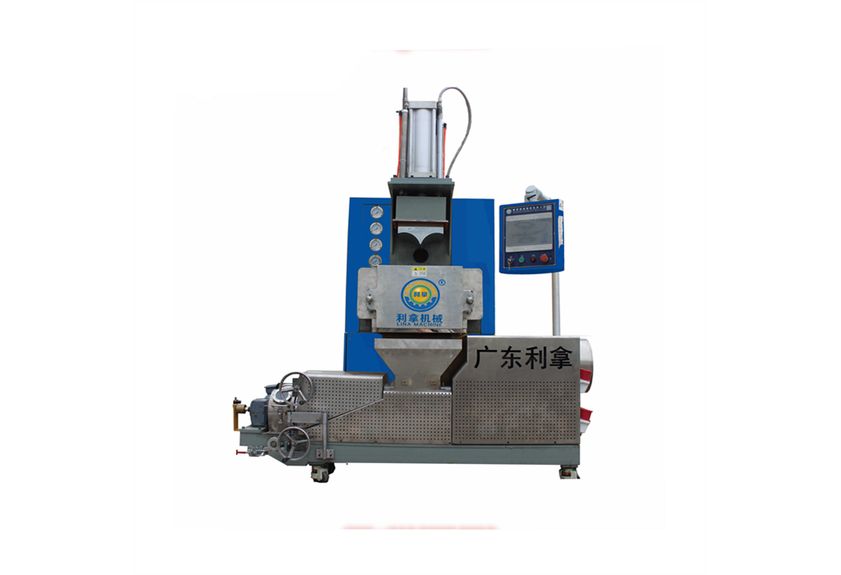
The ceramic powder consolidation and granulation integrated machine is a sophisticated piece of equipment that utilizes advanced technology to perform multiple functions simultaneously. It includes a mixer, granulator, and compactor, all integrated within a single unit. The mixer is responsible for blending the raw ceramic powder with other additives such as binders, plasticizers, and lubricants. The granulator then converts the mixed powder into a granulated form, which is easier to handle and transport. Finally, the compactor applies pressure to the granulated powder to ensure uniformity and shape consistency.
The benefits of using an integrated machine like this are numerous. Firstly, it reduces the need for separate machines and equipment, saving space and reducing operational costs. Secondly, it improves efficiency by allowing for faster processing times and higher output levels. Thirdly, it enhances product quality by ensuring consistent mixing, granulation, and compaction processes. Finally, it provides greater flexibility in terms of customization and adaptation to different types of ceramic powders and applications.
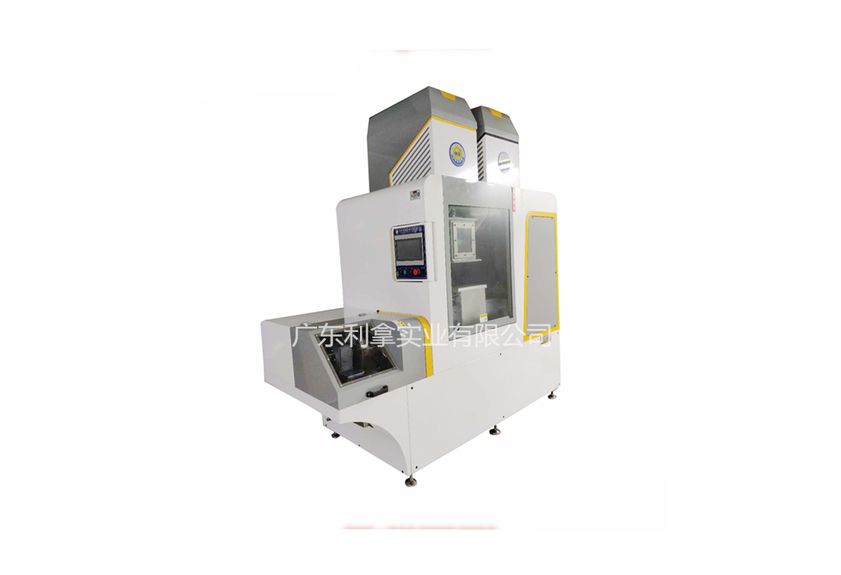
In conclusion, the ceramic powder consolidation and granulation integrated machine represents a significant advancement in the field of ceramic manufacturing. Its ability to perform multiple functions in one unit offers significant advantages over traditional methods, making it an essential tool for modern ceramic industries. As technology continues to evolve, we can expect to see even more innovative and efficient integrated machinery being developed to meet the ever-changing demands of the ceramic industry.