



The Development of Hydrogen Fuel Cell Bipolar Plate Rolling Line
The hydrogen fuel cell industry is rapidly evolving, with the development of new technologies and materials driving innovation in the production process. One critical component of this industry is the production of hydrogel bipolar plates, which are essential for the efficient operation of hydrogen fuel cells. In this article, we will explore the advancements in the production line for hydrogen fuel cell bipolar plates using a roller press machine.
The first step in the production process is the preparation of raw materials. These include high-quality metal alloys, such as stainless steel or aluminum, which serve as the base material for the bipolar plate. These materials undergo a series of processes to ensure their optimal properties, including heat treatment and surface treatment to enhance corrosion resistance and mechanical strength.
Once the raw materials are prepared, they are loaded into the roller press machine. This machine uses high-pressure rolls to compress the materials together, creating a uniform and compact structure. The roller press machine plays a crucial role in ensuring that the bipolar plates meet the required specifications, including thickness, density, and electrical conductivity.
The next step in the production process is the formation of the bipolar plate's electrodes. These are typically made from platinum or platinum-iridium alloys, which provide excellent electrochemical performance and durability. The electrodes are then attached to the base material using an adhesive, forming the final bipolar plate.
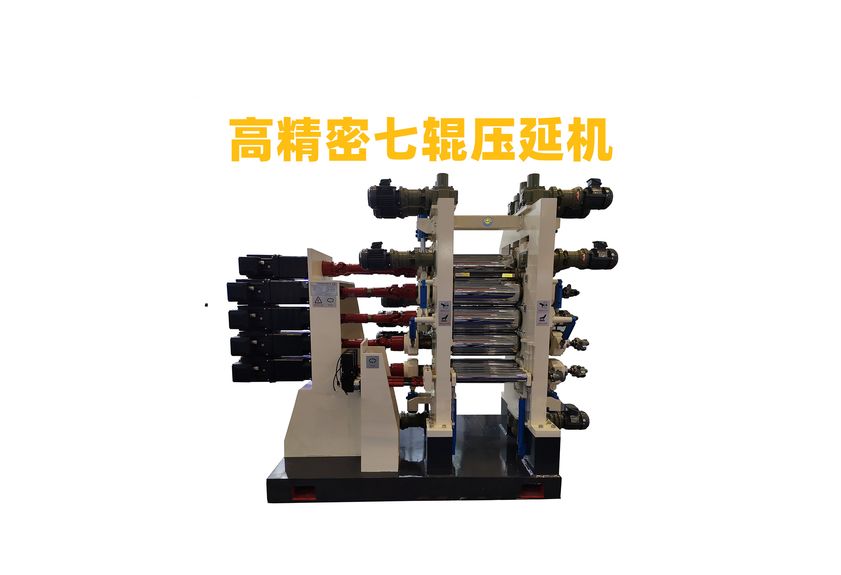
After the bipolar plates have been formed, they undergo a series of quality control checks to ensure they meet the standards set by the industry. These checks include visual inspections, mechanical testing, and electrical measurements to ensure that each bipolar plate meets the required specifications.
Finally, the finished bipolar plates are packaged and shipped to their final destination. As the hydrogen fuel cell industry continues to grow, the demand for high-quality bipolar plates will only increase, making the production line for these plates an essential part of the industry's success.
1. Hydrogen Fuel Cell
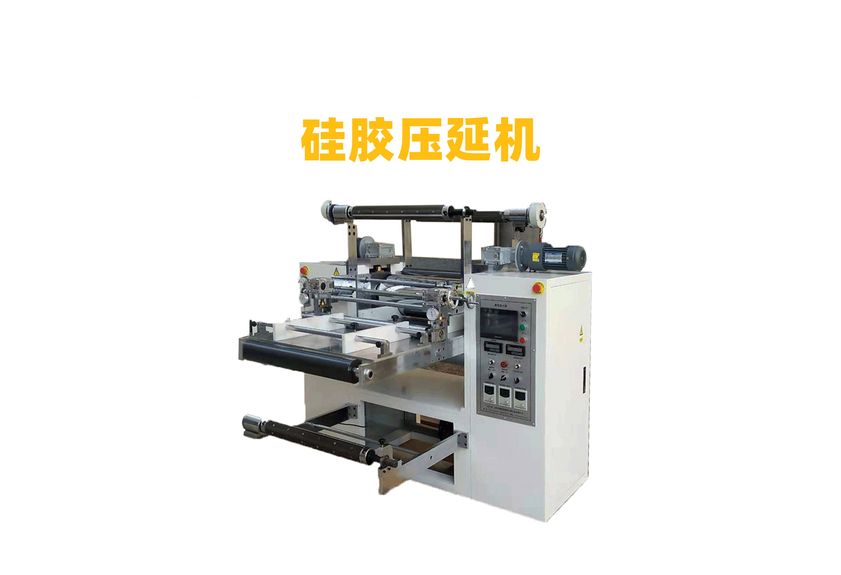
2. Bipolar Plate
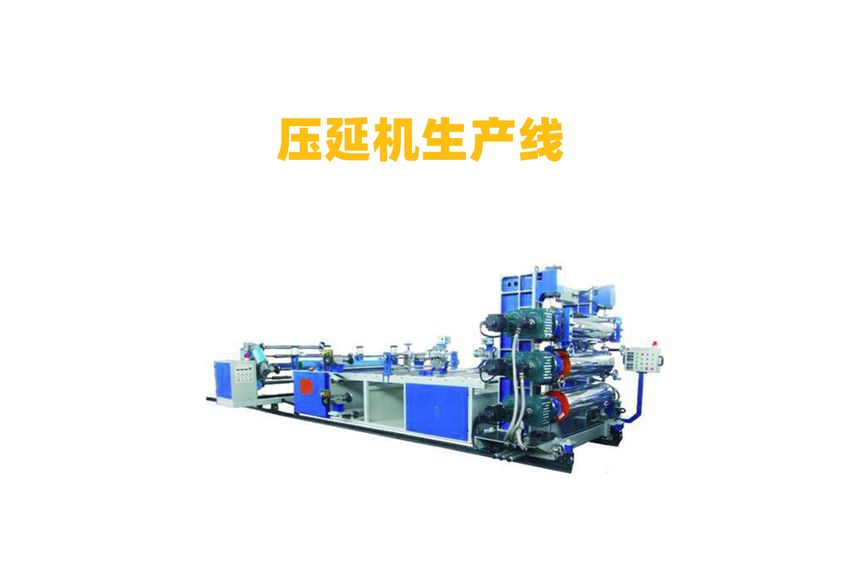
3. Roller Press Machine
4. Production Line
5. Quality Control
This article provides an in-depth look at the production line for hydrogen fuel cell bipolar plates, highlighting the importance of using a roller press machine in this process. We discuss the various steps involved in preparing raw materials, loading them into the machine, and compressing them together to create the bipolar plates. We also explain the formation of the bipolar plate's electrodes and how they are attached to the base material. Finally, we discuss the quality control checks that are performed on the finished bipolar plates before they are packaged and shipped to their final destination. By understanding this production line, readers can gain insights into the critical components of the hydrogen fuel cell industry and the ongoing efforts to improve its efficiency and sustainability.