
The Art of Silicone Rolling Press Manufacturing
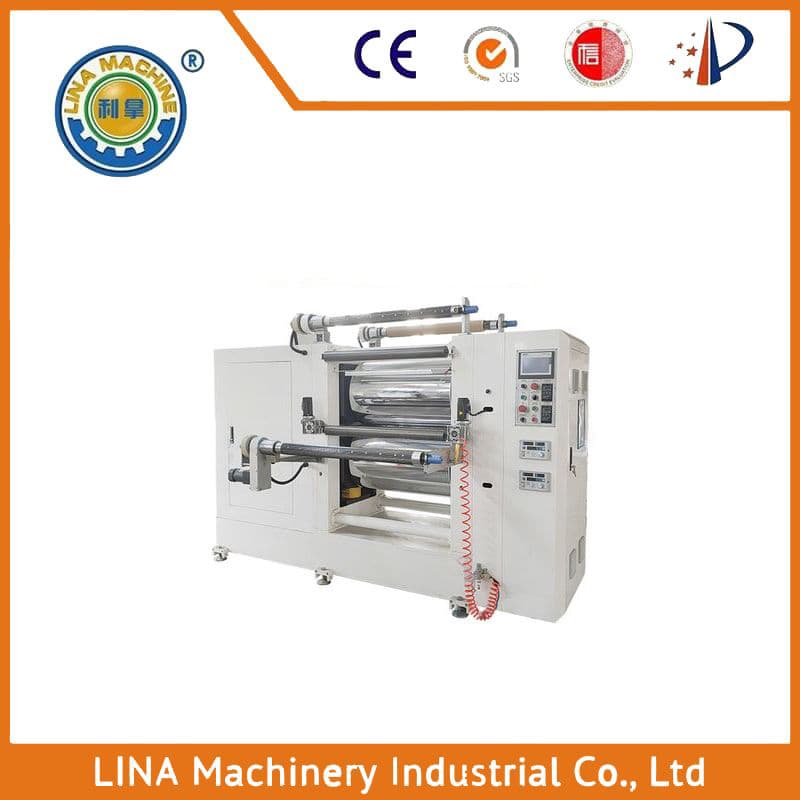
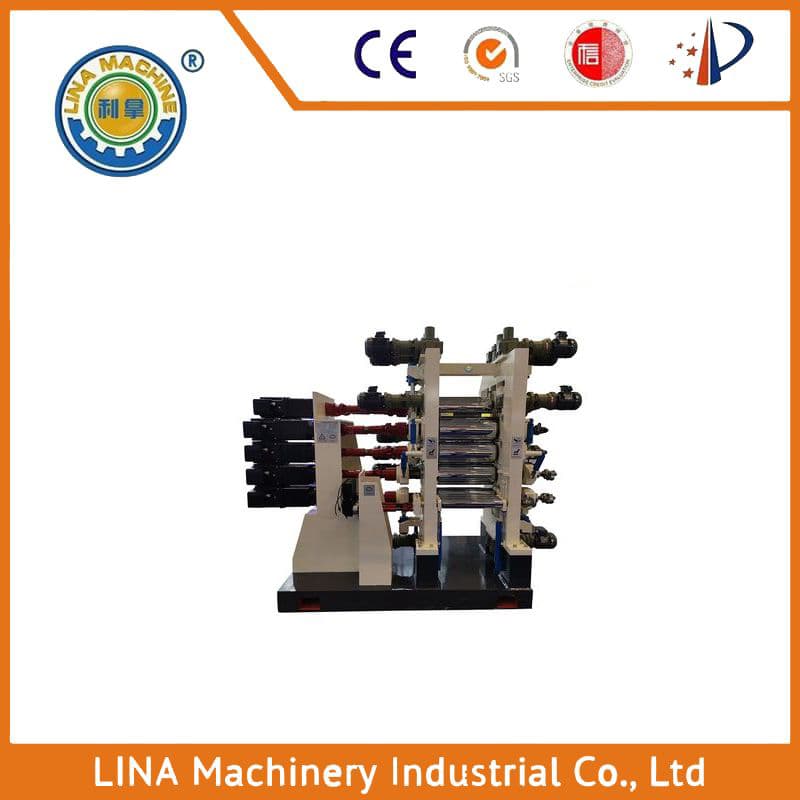
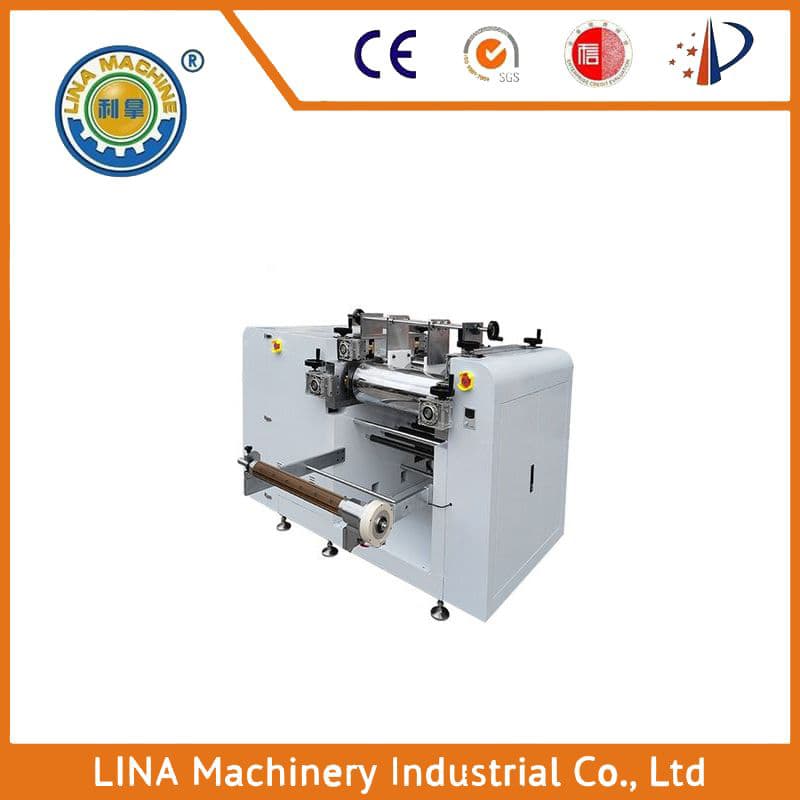
Silicone roller presses are an essential tool in the manufacturing industry, particularly in the production of silicone products. These machines have become increasingly popular due to their ability to produce high-quality silicone sheets with minimal waste and maximum efficiency. In this article, we will explore the various aspects of silicone rolling presses, including their design, operation, and benefits.
Design:
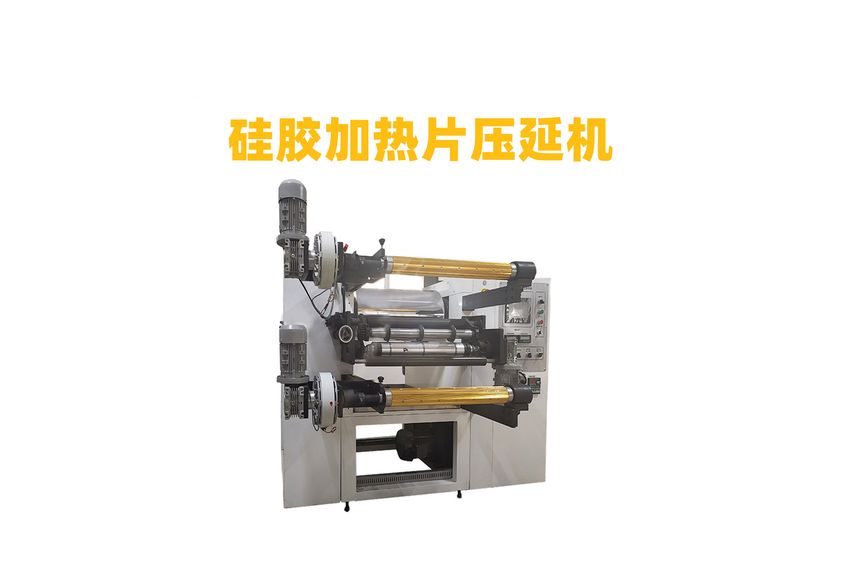
The design of a silicone rolling press is crucial for its success in the manufacturing process. The machine should be able to handle different types of silicone materials, such as polydimethylsiloxane (PDMS) or polyethersulfone (PES), and should be able to produce sheets with varying thicknesses and widths. The rollers used in the machine should be made of high-quality materials that can withstand the high temperatures and pressures required for the manufacturing process. Additionally, the machine should have a reliable control system that allows for precise adjustments in temperature, pressure, and speed.
Operation:
Once the silicone material has been fed into the machine, it is subjected to heat and pressure to convert it into a silicone sheet. This process involves passing the material through a series of rollers that apply heat and pressure to the material. The temperature and pressure applied to the material determine the final properties of the silicone sheet, such as its flexibility, strength, and durability. The machine should be equipped with sensors that monitor the temperature and pressure during the manufacturing process and adjust them accordingly to ensure consistent quality.
Benefits:
Using a silicone rolling press can offer several benefits to manufacturers. Firstly, it can reduce waste by producing silicone sheets with minimal defects and excess material. This reduces the amount of scrap that needs to be disposed of, which can save money on disposal costs. Secondly, the use of a silicone rolling press can improve productivity by reducing the time required to produce each silicone sheet. This can lead to increased efficiency and reduced labor costs. Finally, using a silicone rolling press can improve product quality by ensuring consistency in the manufacturing process. This can lead to better-performing silicone products that meet the needs of customers.
Conclusion:
In conclusion, silicone rolling presses are an essential tool in the manufacturing industry, particularly in the production of silicone products. By understanding the design, operation, and benefits of these machines, manufacturers can optimize their processes and achieve higher levels of efficiency and quality. As technology continues to advance, it is likely that silicone rolling presses will continue to play a crucial role in the future of the manufacturing industry.