



The PLA Degradation and Granulation Machine: Revolutionizing the Plastic Industry
The plastic industry has been a driving force in modern society, providing convenience and sustainability. However, the excessive use of plastics has led to environmental pollution and resource depletion. To address these issues, researchers have developed the PLA (polylactic acid) degradation and granulation machine, which is a revolutionary technology that aims to reduce plastic waste and promote sustainable development.
The PLA degradation and granulation machine is a high-tech equipment that uses biomass materials such as cornstarch, sugarcane, and wheat straw to produce PLA. This process involves heating the raw materials to a specific temperature and pressure, which causes them to break down into small molecules. These molecules are then converted into PLA by adding a catalyst and extruding it through a die. The resulting PLA is then granulated into pellets or beads for further processing.
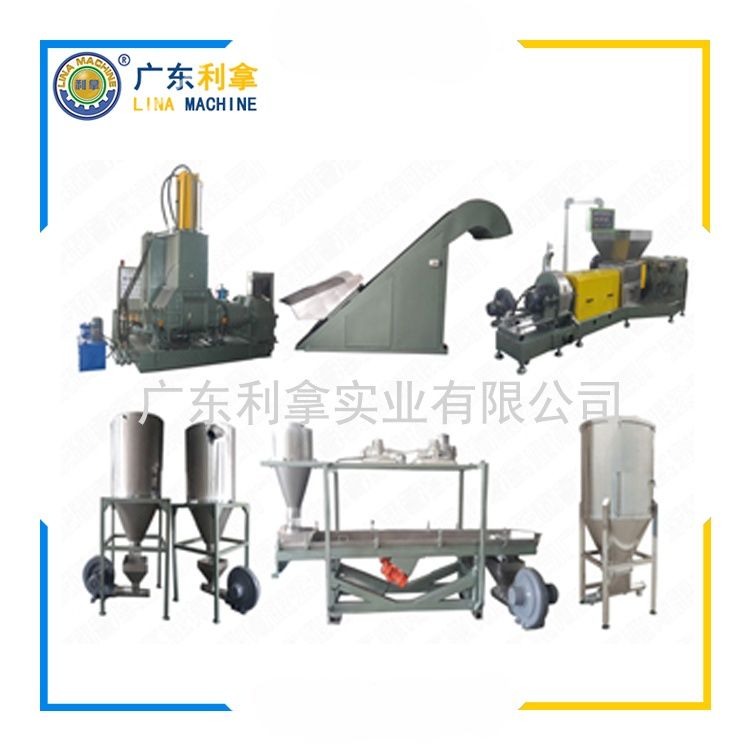
One of the key advantages of the PLA degradation and granulation machine is its ability to produce PLA from renewable resources. By using biomass materials, this technology reduces the need for petroleum-based plastics, which are often sourced from finite resources and contribute to climate change. Additionally, the PLA produced by the machine is biodegradable and can be used in various applications such as packaging, agriculture, and construction.
Another significant benefit of the PLA degradation and granulation machine is its potential to reduce plastic waste. By producing PLA from biomass materials, this technology reduces the amount of plastic waste that ends up in landfills or oceans. This not only helps to protect the environment but also creates new opportunities for businesses to reduce their carbon footprint and improve their sustainability credentials.
In conclusion, the PLA degradation and granulation machine represents a significant step forward in the plastic industry. By reducing plastic waste and promoting sustainable development, this technology has the potential to transform the way we produce and use plastics. As more research and development continue to emerge, it is likely that this technology will become increasingly important in shaping the future of the plastic industry.