
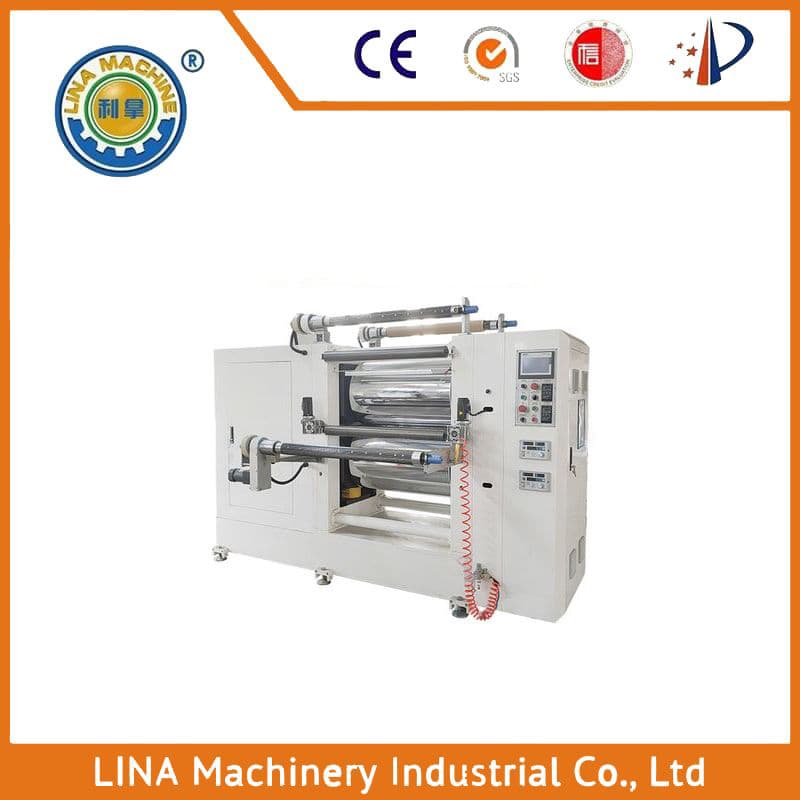
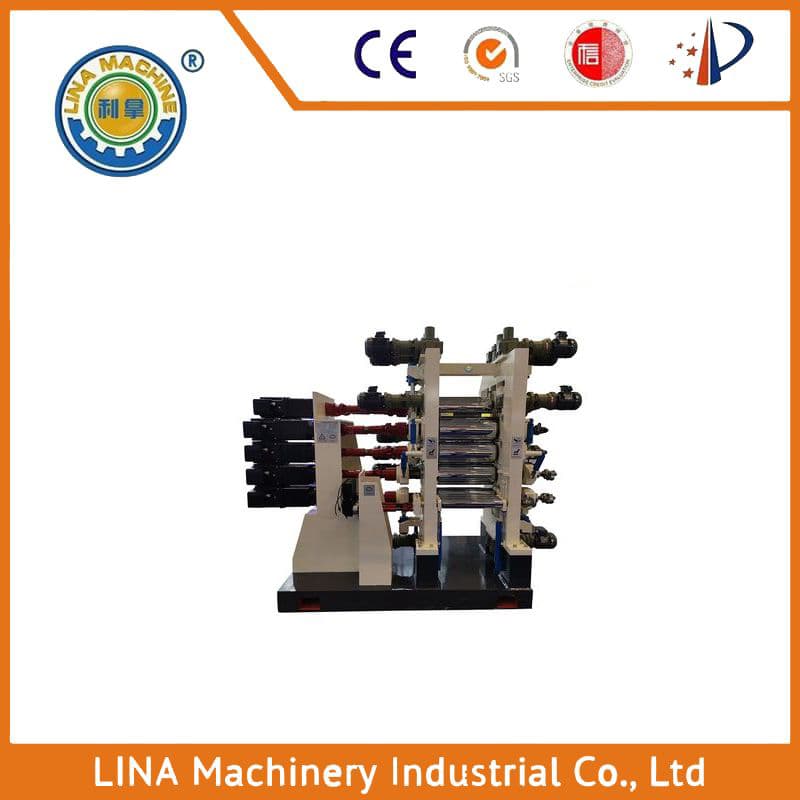
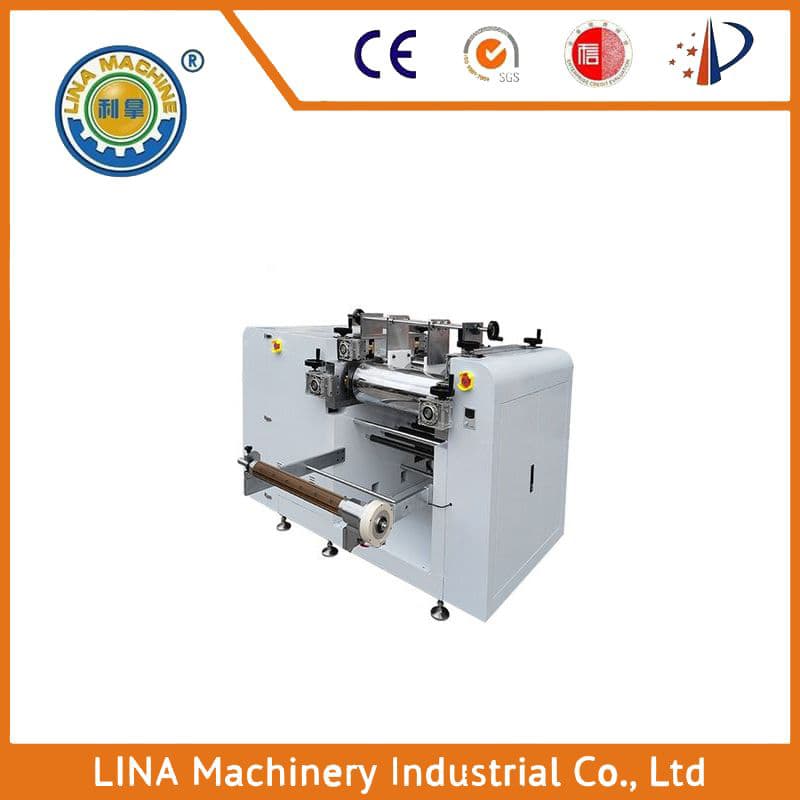
The Art of Clay Particle Formation: An Overview of Ceramic Powder Grinding Machines
Clay powder is a critical component in the production of ceramics, and its quality directly affects the final product's strength, durability, and aesthetics. To achieve the desired properties, it is essential to use specialized machinery for clay powder particle formation. One such machine is the ceramic powder grinding machine, which plays a crucial role in the process of transforming raw clay into high-quality ceramic powder. In this article, we will explore the various types of ceramic powder grinding machines available and their unique features, as well as their applications in the ceramic industry.
Firstly, let us understand what a ceramic powder grinding machine is. It is a mechanical device that uses different methods to break down the raw clay into smaller particles, known as "powder." This process involves crushing, screening, and sieving the clay to obtain the desired particle size distribution. The resulting powder is then used in the subsequent steps of forming, sintering, and polishing to produce high-quality ceramic products.
There are several types of ceramic powder grinding machines available in the market, each with its own advantages and disadvantages. Here are some of the most common types:
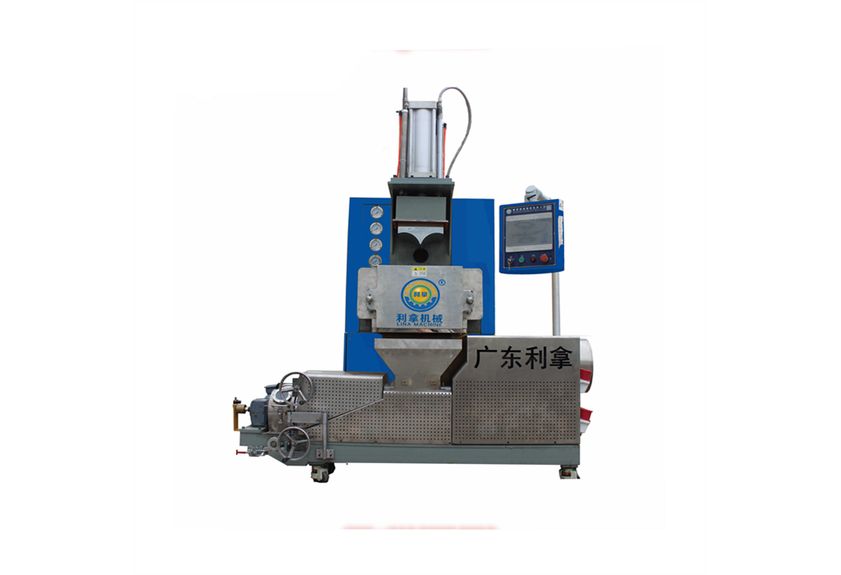
1. Ball mill: A ball mill is a versatile grinding machine that can grind a wide range of materials, including clay. It consists of a rotating cylinder filled with steel balls that are subjected to centrifugal force, causing them to roll against each other and crush the material. The resulting powder is collected in a cyclone separator, which separates the fine powder from the larger particles.
2. Rod mill: A rod mill is a horizontal rotating machine that uses a series of conical rollers to crush the material. The rollers rotate at high speeds, causing them to rub against each other and crush the material. The resulting powder is collected in a cyclone separator, similar to the ball mill.
3. Hammer mill: A hammer mill is a vertical rotating machine that uses a series of hammers to crush the material. The hammers strike the material against the walls of the chamber, causing it to break down into smaller pieces. The resulting powder is collected in a cyclone separator.
4. Roller mill: A roller mill is a horizontal rotating machine that uses a series of rollers to crush the material. The rollers rotate at high speeds, causing them to roll against each other and crush the material. The resulting powder is collected in a cyclone separator.
Each type of ceramic powder grinding machine has its own advantages and disadvantages, depending on the specific requirements of the ceramic industry. For example, ball mills are commonly used for grinding soft materials like clay, while rod mills are more suitable for harder materials. Hammer mills are ideal for grinding brittle materials like glass, while roller mills are often preferred for grinding granular materials like sand.
In addition to these types of grinding machines, there are also specialized devices designed for specific applications. For example, a vibratory screen is used to separate the fine powder from the larger particles, while a cyclone separator is used to remove dust and other impurities from the powder.
The application of ceramic powder grinding machines in the ceramic industry is vast and diverse. They are used in the production of porcelain, glazes, tiles, and other ceramic products. The quality of the powder directly affects the final product's strength, durability, and aesthetics. Therefore, it is essential to use specialized machinery for clay powder particle formation to ensure the desired properties are achieved.
In conclusion, ceramic powder grinding machines play a crucial role in the production of ceramic products by transforming raw clay into high-quality ceramic powder. There are several types of grinding machines available, each with its own advantages and disadvantages. By understanding the different types of grinding machines and their applications, manufacturers can choose the appropriate equipment to meet their specific needs. As the demand for high-quality ceramic products continues to grow, the importance of ceramic powder grinding machines cannot be overstated.