
The Art of Silicone Rolling Presses
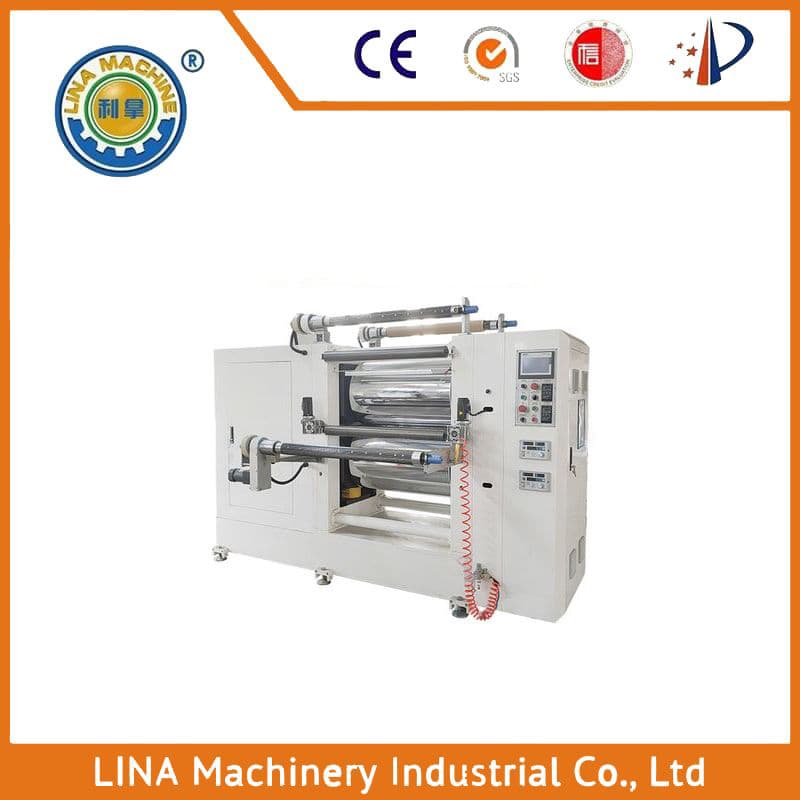
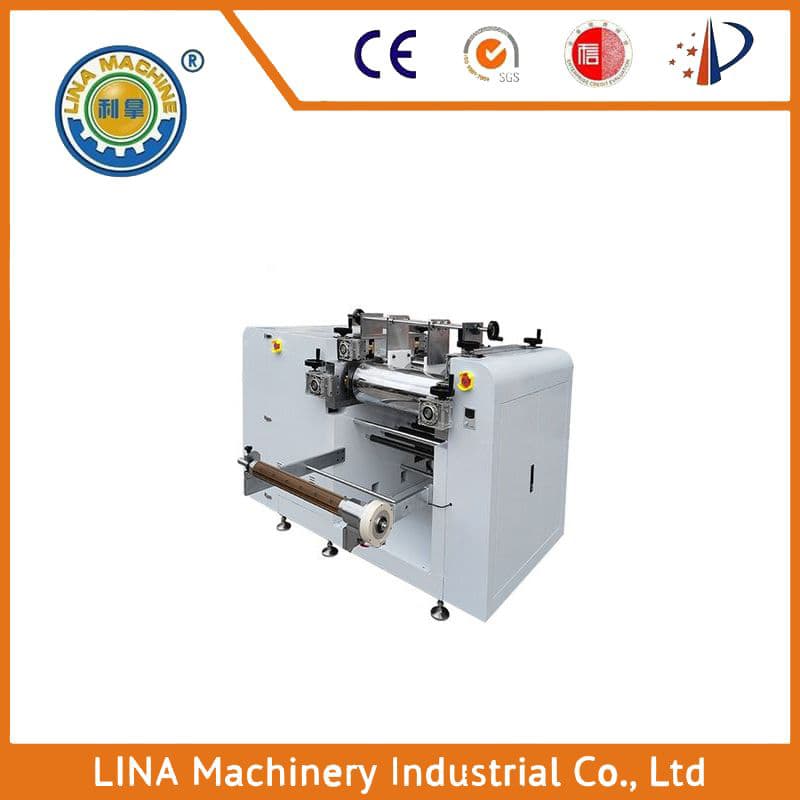
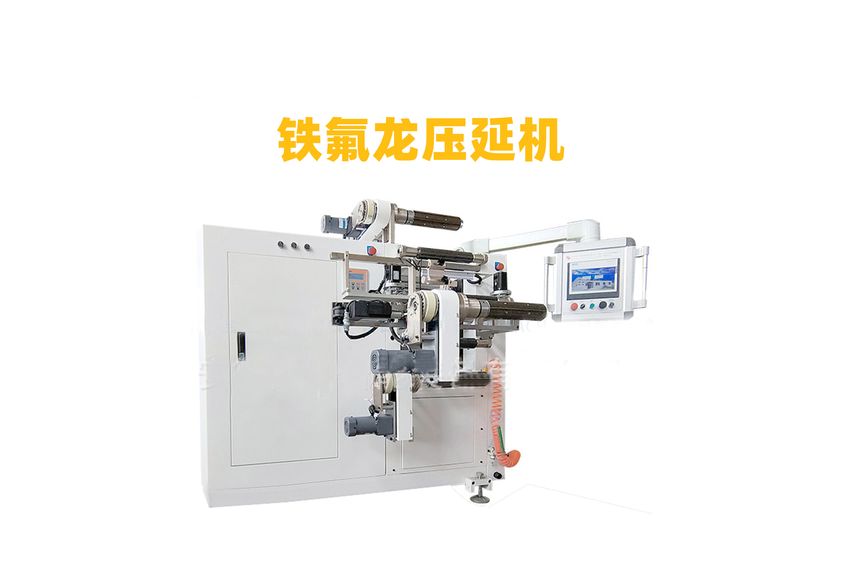
Silicone rolling presses are an essential tool in the manufacturing industry, particularly in the production of flexible and resilient materials such as silicone rubber. These machines are designed to apply pressure to molten silicone rubber, which is then cooled and solidified into a uniform sheet. The process involves feeding molten silicone rubber into a die, which is then pressed against a heated surface to create a thin, smooth, and even layer of silicone rubber. The resulting sheet can be used for a variety of applications, including automotive parts, electronics, and household products.
One of the key features of silicone rolling presses is their ability to handle a wide range of silicone rubber formulations. This flexibility allows manufacturers to produce customized products that meet specific requirements, such as temperature resistance or electrical insulation. Additionally, these machines are highly efficient, producing high-quality sheets with minimal waste.
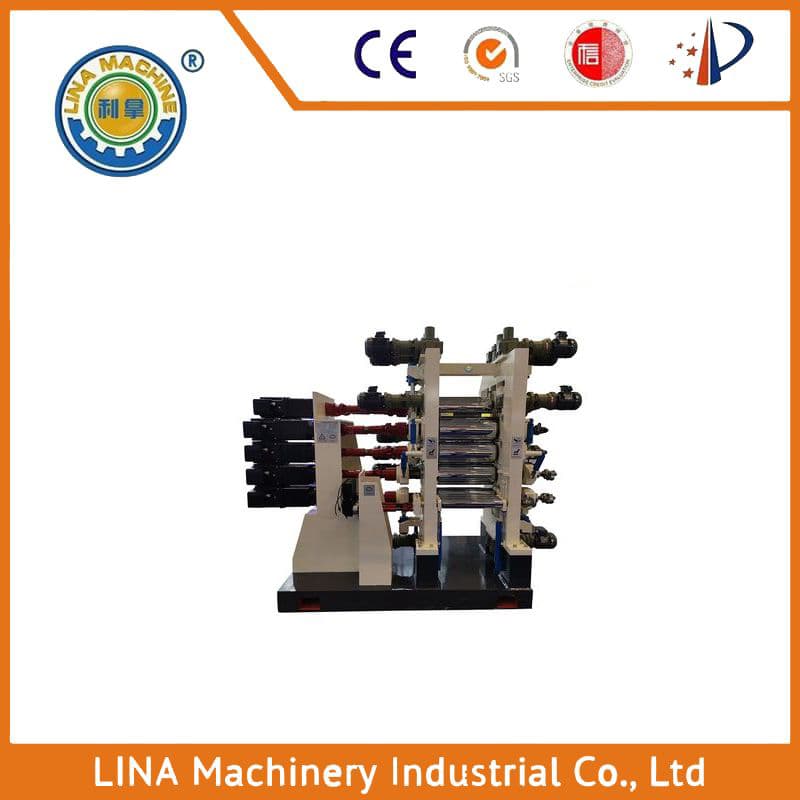
In terms of design, silicone rolling presses come in various sizes and configurations, depending on the desired output and complexity of the product. Some models use rotary rollers to distribute pressure evenly across the surface of the silicone rubber, while others may employ more advanced technologies like hydraulic or pneumatic actuation.
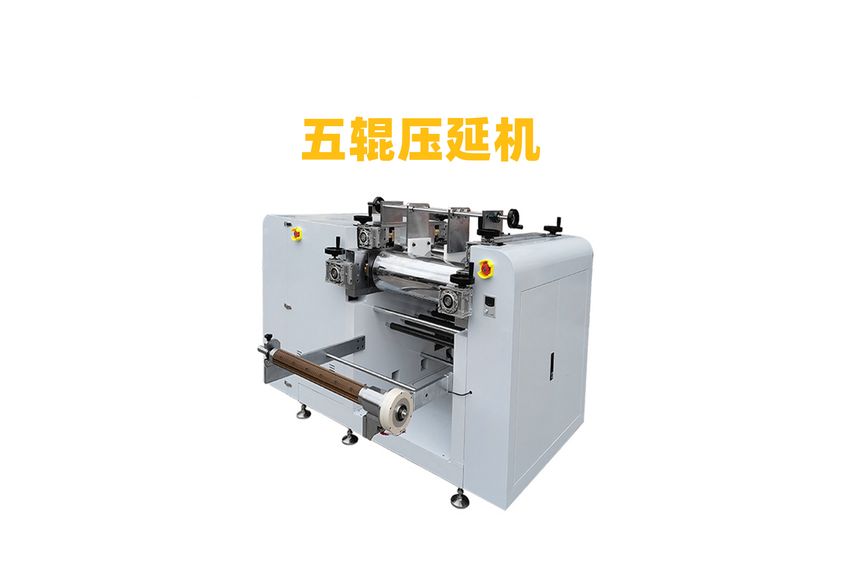
To ensure optimal performance, it's important to maintain proper maintenance and calibration of silicone rolling presses. This includes regular inspections of the machinery, cleaning and lubricating the moving parts, and checking for any signs of wear or damage. By doing so, manufacturers can ensure consistent quality and minimize downtime.
1. silicone rolling presses
2. manufacturing industry
3. silicone rubber
4. die
5. pressure application
6. efficiency
7. maintenance
8. calibration
9. quality control
10. customization
Silicone rolling presses are crucial tools in the manufacturing industry, especially for the production of silicone rubber products. These machines are designed to apply pressure to molten silicone rubber, which is then cooled and solidified into a uniform sheet. They offer a wide range of applications, from automotive parts to electronics and household products. To ensure optimal performance, it's important to maintain proper maintenance and calibration of these machines. By doing so, manufacturers can produce consistent quality and minimize downtime.