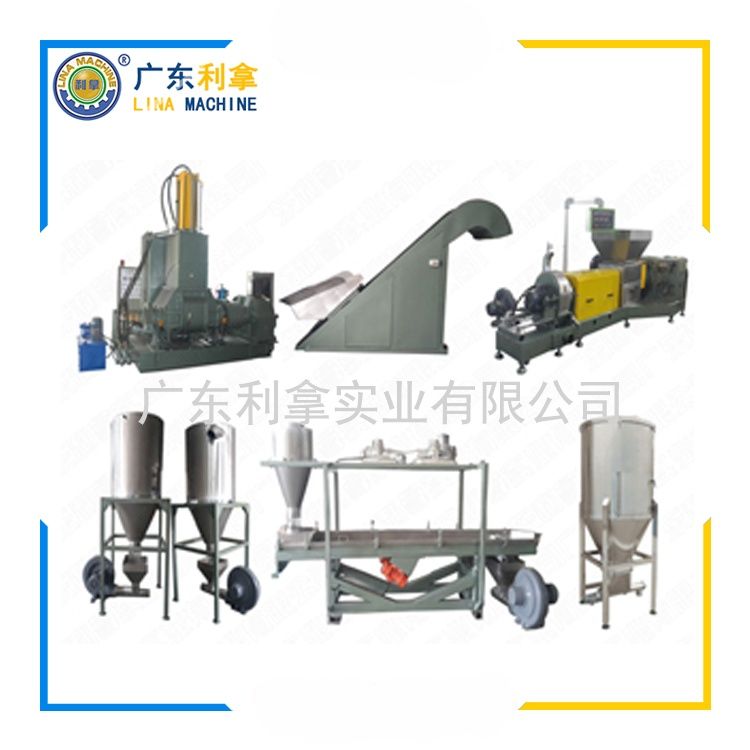
The EVA, TPR, and PVC Compounding Production Line
The compounding production line is a crucial component in the manufacturing process of various plastic products. It involves the mixing and processing of raw materials to produce finished products such as EVA (Ethylene Vinyl Acetate), TPR (Thermoplastic Rubber), and PVC (Polyvinyl Chloride). In this article, we will explore the different components of these compounding production lines and their respective roles in the manufacturing process.
Firstly, the raw materials for EVA are ethylene and vinyl acetate. These two chemicals are combined in a reactor to form EVA, which is then extruded through a die to produce sheets or films. The quality of EVA depends on the purity of the raw materials and the temperature and pressure settings during the reaction.
Next, TPR is made by combining thermoplastic polyurethane resin with rubber. This mixture is then processed into sheets or films using a similar extruder setup as EVA. The quality of TPR is determined by the ratio of resin to rubber and the temperature and pressure applied during the mixing process.
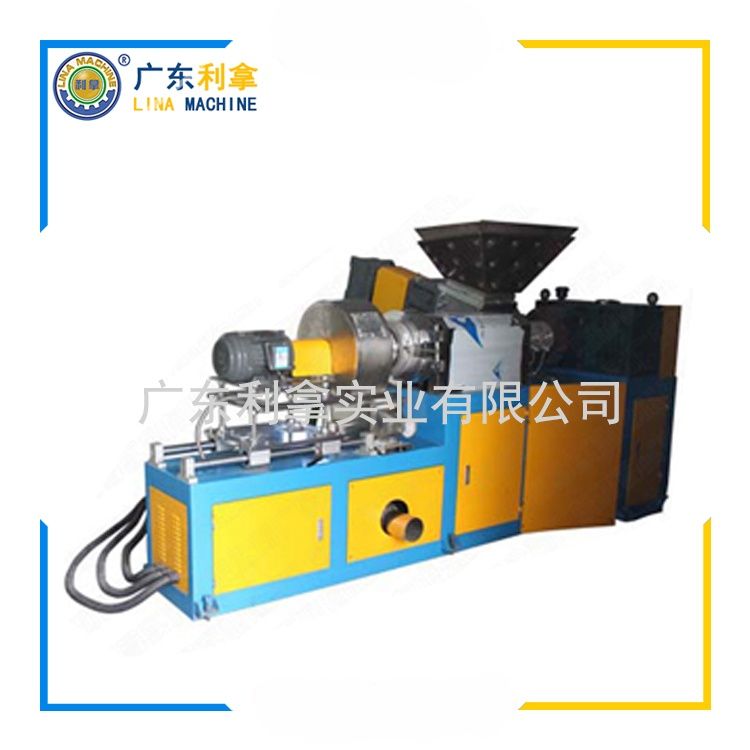
Finally, PVC is produced by combining polyvinyl chloride with other additives such as stabilizers, pigments, and fillers. The mixture is then processed into sheets or films using a similar extruder setup as EVA and TPR. The quality of PVC is influenced by the type and concentration of additives used, as well as the temperature and pressure applied during the mixing process.
In conclusion, the compounding production line plays a vital role in the manufacturing process of EVA, TPR, and PVC. By carefully controlling the raw materials, temperature, and pressure settings, manufacturers can produce high-quality products that meet the needs of various industries.