



The Role of Large-Scale Mixing Machines in the Manufacturing Industry
Mixing machines are essential tools in the manufacturing industry, particularly in the production of large-scale products such as automobiles, construction materials, and food products. These machines play a crucial role in blending, kneading, and mixing raw materials into a uniform and homogeneous mixture that can be molded or shaped into desired shapes. In this article, we will explore the different types of mixing machines available and their applications in various industries.
1. Rotary Kiln Mixers: These machines are used for mixing dry ingredients, such as flour, sugar, and spices, in a rotating drum. They are commonly found in bakeries, confectioneries, and food processing plants. The rotating motion helps to evenly distribute the ingredients and prevent clumping.
2. Belt Mixers: These machines use a belt to transfer energy from the motor to the material being mixed. They are suitable for mixing wet ingredients like dough, batters, and pastes. The belt is usually made of rubber or metal, and its speed can be adjusted to control the mixing intensity.
3. Pulverizers: These machines are used for grinding or crushing solid materials into powder form. They are commonly used in industries such as pharmaceuticals, chemicals, and mining. The pulverizers come in different sizes and designs, depending on the type of material being processed.
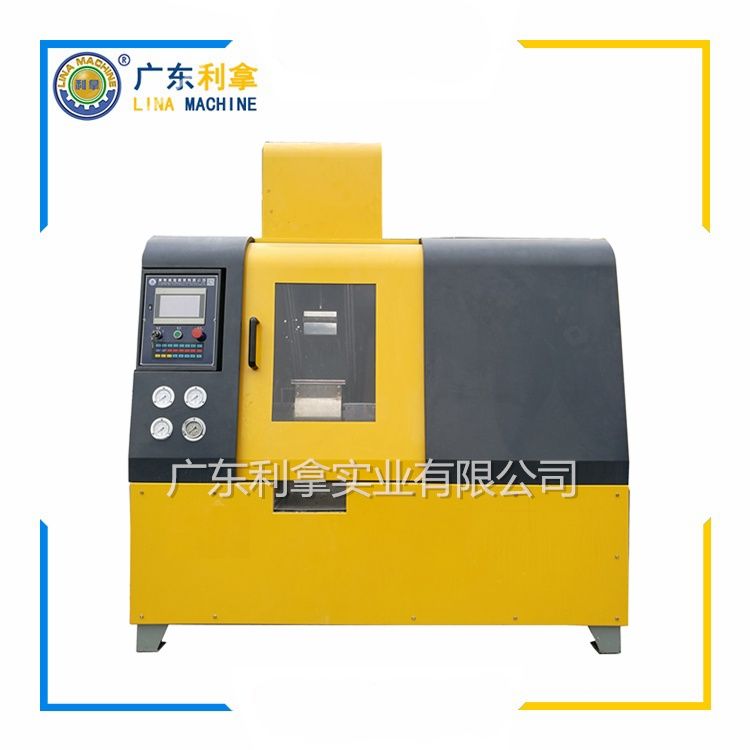
4. Extruders: These machines are used for shaping and extruding materials like plastics, rubber, and metal. They come in different types, including screw extruders, barrel extruders, and twin-screw extruders. The extruder's design and speed can affect the final shape and properties of the product.

5. Roller Mills: These machines are used for grinding or crushing materials like grains, minerals, and coal. They come in different sizes and capacities, depending on the amount of material being processed. The roller mill's design and speed can affect the grinding efficiency and product quality.
In conclusion, mixing machines play a vital role in the manufacturing industry by helping to create uniform and consistent products. The different types of mixing machines available have been designed to suit different material types and processing requirements. By understanding the different types of mixing machines and their applications, manufacturers can choose the right machine for their specific needs, resulting in better product quality and efficiency.