



The Role of Oxide Cement Mill in the Manufacturing Industry
Oxide cement mills are an essential tool in the manufacturing industry, particularly in the production of ceramics and other high-tech materials. These machines use a combination of mechanical and chemical processes to grind and mix raw materials into a fine powder that can be molded into finished products. In this article, we will explore the various aspects of oxide cement mills and their importance in the modern manufacturing landscape.
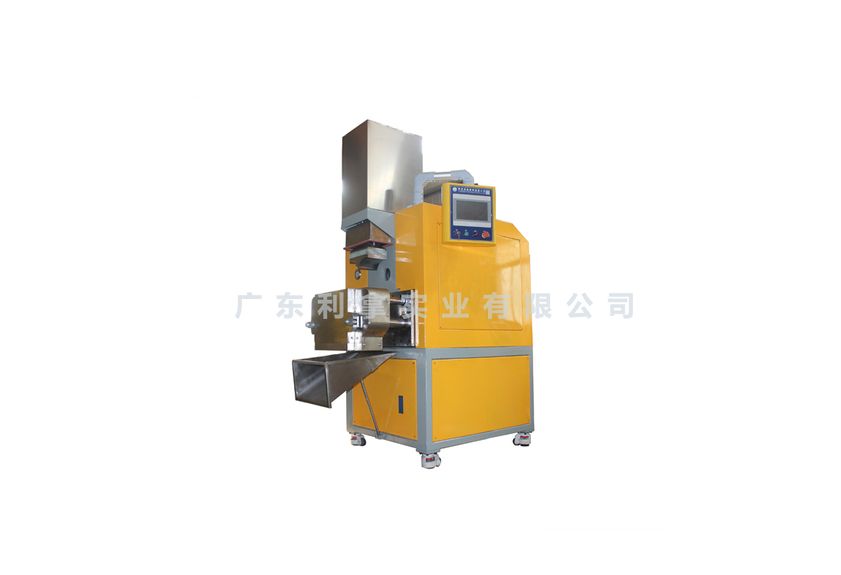
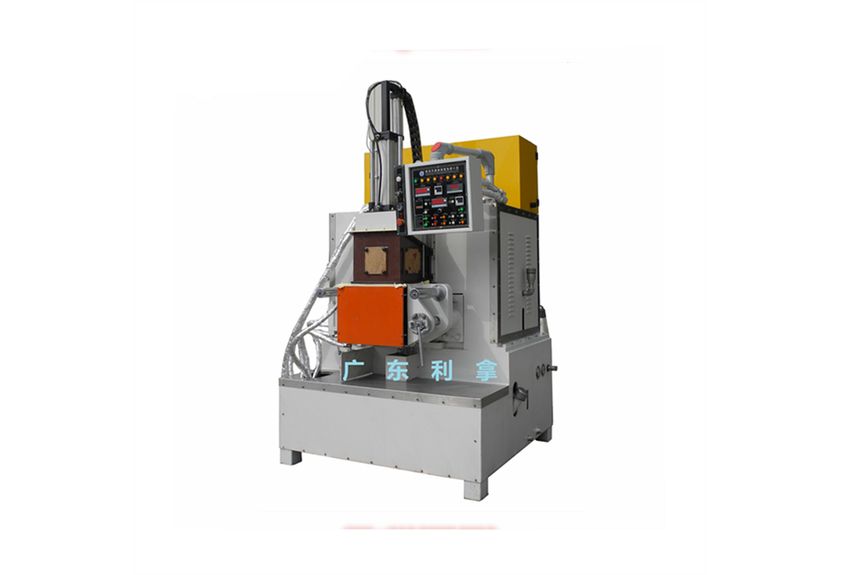
Firstly, let's talk about the basic components of an oxide cement mill. These include the motor, gearbox, hammer, grinding media, and the main body of the machine. The motor drives the gearbox, which in turn controls the speed and power of the hammer. The hammer is responsible for breaking down the larger pieces of material into smaller particles, while the grinding media acts as a medium for the process.
One of the key benefits of using an oxide cement mill is its ability to produce high-quality powders with consistent particle sizes. This is achieved through a combination of factors, including the design of the machine and the selection of appropriate grinding media. For example, some machines use rotating drums or discs that rotate at high speeds to break down the material evenly, while others use stationary grinding stones that provide a more uniform surface for grinding.
Another important aspect of oxide cement mills is their ability to handle a wide range of materials. From ceramics to metals, these machines can be used to produce a variety of products with different properties and applications. This makes them ideal for industries such as automotive, electronics, and construction, where there is a need for specialized materials.
In addition to their technical advantages, oxide cement mills also have a positive impact on the environment. By producing high-quality powders with minimal waste, these machines help reduce the amount of energy and resources required for production. This not only saves money but also reduces greenhouse gas emissions, making them a sustainable option for many industries.
Finally, it's worth mentioning that oxide cement mills are not just limited to the manufacturing industry. They can also be found in research institutions and universities, where they are used to study the properties of materials and develop new technologies. As technology continues to advance, we can expect to see even more innovative uses for these machines in the future.
1. Oxide Cement Mill
2. Manufacturing Industry
3. High-Tech Materials
4. Grinding Process
5. Environmental Impact
This article provides an in-depth analysis of the role of oxide cement mills in the manufacturing industry, highlighting their ability to produce high-quality powders with consistent particle sizes. We discuss the various components of these machines and their impact on the environment, as well as their potential applications in research institutions and universities. By understanding the benefits of oxide cement mills, we can better appreciate their significance in today's manufacturing landscape.