



The Advantages and Applications of Single-Screw Extrusion Spinners
The single-screw extruder is a versatile machine used in the production of various plastic products. It is an essential tool for the extrusion of thermoplastics, thermosets, and even metals. This article will explore the advantages and applications of single-screw extruders, as well as their design features and maintenance tips.
Advantages of Single-Screw Extruders:
1. Versatility: Single-screw extruders can be used to produce a wide range of products, including granules, sheets, films, and profiles. They are ideal for small to medium-sized enterprises that need to produce a variety of products quickly and efficiently.
2. Cost-effectiveness: Compared to other types of extruders, single-screw extruders are more cost-effective. They require fewer parts and have a simpler design, which reduces the likelihood of breakdowns and maintenance costs.
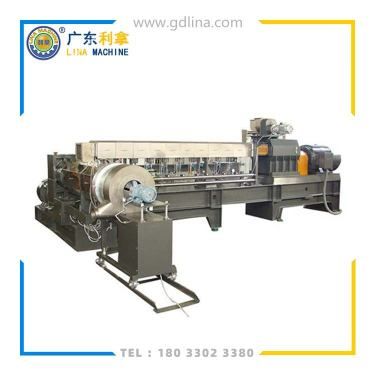
3. Energy efficiency: Single-screw extruders use less energy than other types of extruders, making them environmentally friendly. They also have a low carbon footprint, which is important in today's global climate change agenda.
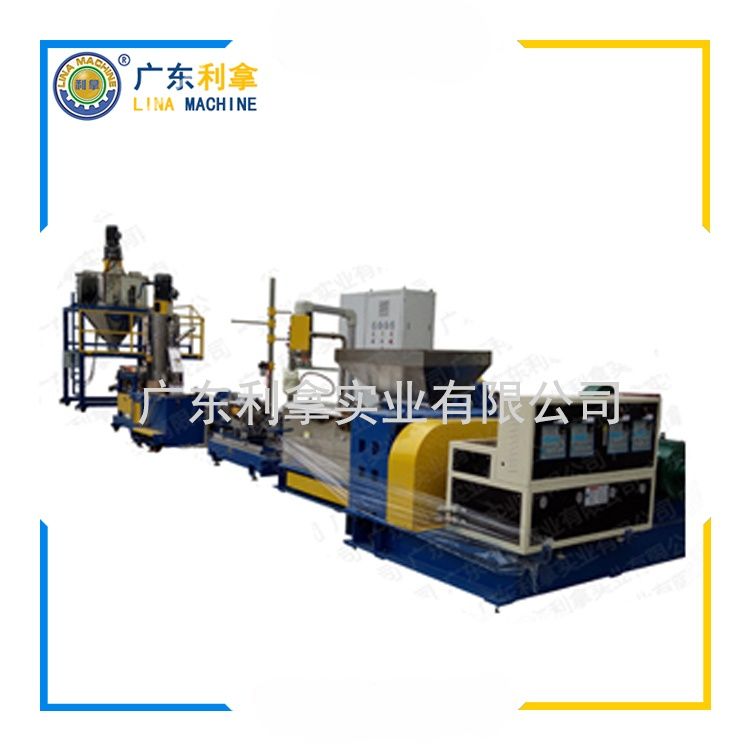
4. Easy operation: Single-screw extruders are easy to operate, with simple controls and intuitive displays. This makes them suitable for beginners and experienced operators alike.
5. High productivity: Single-screw extruders can achieve high productivity levels, which means they can produce large quantities of products quickly. This is particularly useful for companies that need to meet tight deadlines or have high demand for their products.
Applications of Single-Screw Extruders:
1. Plastic granules: Single-screw extruders are commonly used to produce plastic granules, which are used in various industries such as construction, agriculture, and packaging.
2. Fiberglass granules: These granules are used in the manufacture of fiberglass products, such as roof tiles and siding.
3. Metal granules: Single-screw extruders can also be used to produce metal granules, which are used in the manufacturing of automotive parts and electrical components.
4. Rubber granules: These granules are used in the production of rubber products, such as tires and hoses.
5. Other applications: Single-screw extruders can also be used to produce other types of granules, such as wood chips and paper pulp.
Design Features of Single-Screw Extruders:
1. Simplified design: Single-screw extruders have a simplified design, which makes them easy to maintain and repair. This reduces downtime and ensures that the machine runs smoothly.
2. Robust construction: The machine is made from high-quality materials, which ensure its durability and longevity. The screw is designed to withstand high pressure and temperature, which helps to improve product quality.
3. Sealed hopper: The hopper is sealed to prevent dust and debris from entering the machine, which helps to maintain cleanliness and reduce maintenance costs.
4. Adjustable speed control: The speed control system allows operators to adjust the speed of the extruder according to the type of material being processed, ensuring optimal performance and product quality.
5. Safety features: The machine is equipped with safety features such as automatic shut-off and overload protection, which help to prevent accidents and injuries during operation.
Maintenance Tips for Single-Screw Extruders:
1. Regular cleaning: To keep the machine running smoothly, it is essential to clean the machine regularly. This includes removing any debris from the hopper and lubricating the moving parts.
2. Lubrication: Proper lubrication is crucial for maintaining the machine's performance and reducing wear and tear. Use the correct type of lubricant for the specific type of material being processed.
3. Regular inspection: Regular inspection of the machine is necessary to identify any potential issues before they become major problems. Check for signs of wear and tear, such as cracks or loose screws, and replace them as needed.
4. Follow manufacturer's instructions: It is essential to follow the manufacturer's instructions for proper maintenance and operation of the machine. This includes following recommended procedures for cleaning, lubricating, and inspecting the machine.
5. Professional assistance: If you encounter any issues with the machine, seek professional assistance from a