



The Role of the Mixing Machine in Chemical Processing
The mixing machine is an essential tool in chemical processing, as it plays a crucial role in blending and homogenizing various substances. It is used in industries such as pharmaceuticals, food, and cosmetics to ensure the quality and consistency of products. In this article, we will discuss the different types of mixing machines, their applications, and some tips for using them effectively.
Types of Mixing Machines:
There are several types of mixing machines available in the market, each with its unique features and capabilities. Some of the most common types include:
1. Homogenizers: These machines use high-pressure jets to break down solid particles into smaller pieces, resulting in a more uniform mixture. They are commonly used in food and beverage industries to create smooth textures and flavors.
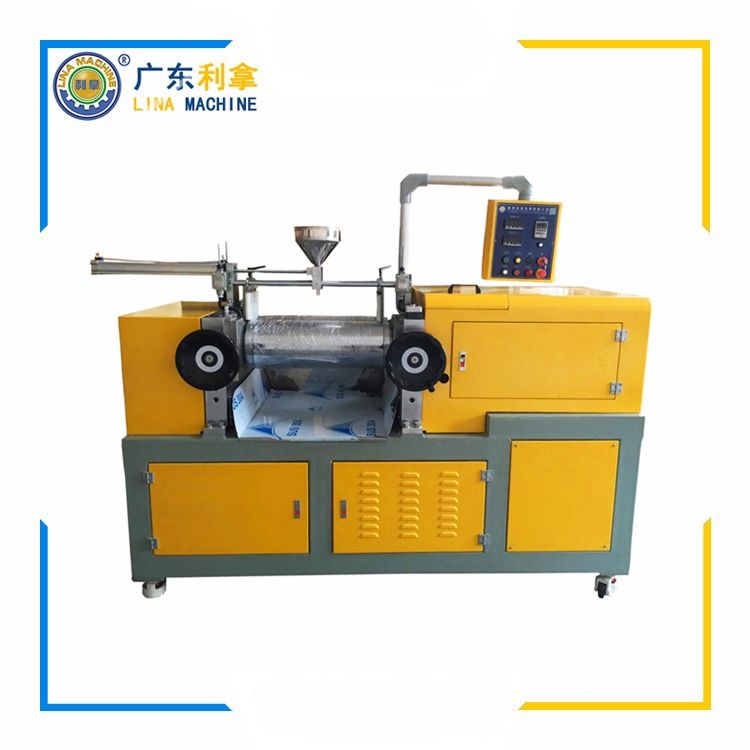
2. Stirrers: These machines use rotating blades or paddles to mix ingredients together. They are suitable for small batches and are often used in laboratory settings.

3. Kneaders: These machines use rollers to knead dough or other materials, resulting in a more elastic texture. They are commonly used in baking and pastry making.

4. Dispersers: These machines use air or water jets to disperse solid particles in liquids, creating a more even distribution of ingredients. They are useful in coatings and emulsions.
Applications:
Mixing machines are widely used in various industries due to their ability to produce consistent and quality products. Some of the common applications of mixing machines include:
1. Food and Beverage Industry: Mixing machines are essential in the production of sauces, soups, and other flavorful foods. They help to ensure that ingredients are evenly mixed and result in a consistent taste.
2. Pharmaceutical Industry: Mixing machines are used in the production of pharmaceuticals, such as vaccines and drugs, to ensure that the active ingredients are evenly distributed throughout the product.
3. Cosmetics Industry: Mixing machines are used in the production of skincare products, such as creams and lotions, to ensure that ingredients are evenly mixed and result in a smooth texture.
Tips for Using Mixing Machines Effectively:
To get the best results from your mixing machine, there are a few things you can do to optimize its performance. Here are some tips:
1. Choose the right type of machine for your needs: Different types of mixing machines have different capabilities and suit different applications. Choose the one that best suits your requirements.
2. Follow the manufacturer's instructions carefully: Always read the manual provided with your mixing machine and follow the manufacturer's instructions carefully. This will help you avoid any errors and ensure that your machine operates efficiently.
3. Clean the machine regularly: Regular cleaning of your mixing machine will help to prevent buildup of debris and improve its performance. Use a soft brush or cloth to clean the inside of the machine and remove any residue.
4. Maintain proper temperature and pressure: Ensure that your mixing machine is maintained at the correct temperature and pressure levels to ensure optimal performance.
In conclusion, mixing machines play a crucial role in chemical processing, enabling the creation of consistent and quality products. By understanding the different types of mixing machines available and following some tips for using them effectively, you can achieve optimal results in your industry.