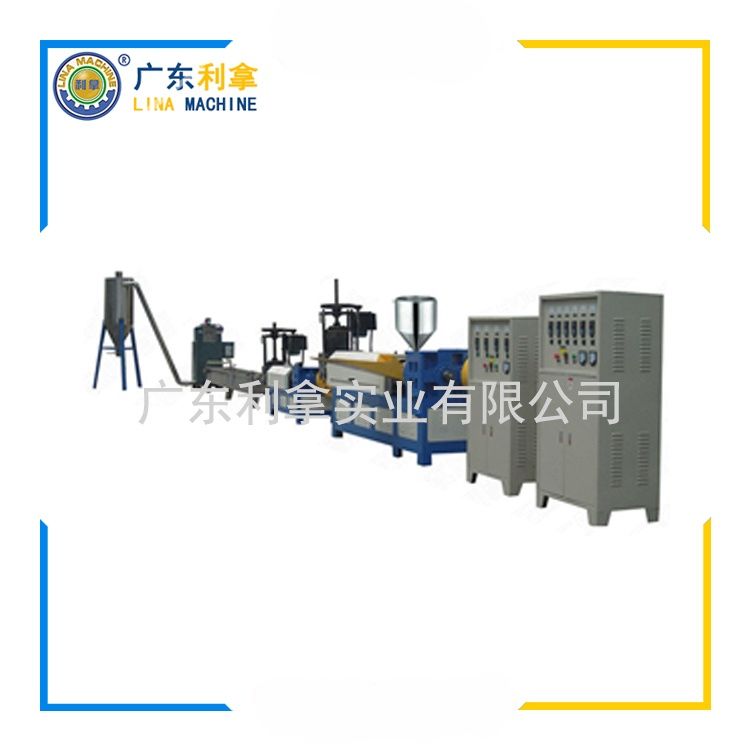
The Art of Rubber Additive Granulation Machinery
In the realm of rubber processing, the efficiency and quality of additives play a pivotal role in enhancing the overall performance of the final product. This is where the rubber additive granulation machine comes into play, a sophisticated piece of machinery that transforms raw materials into high-quality additive pellets.
At its core, this machine is designed to handle a wide range of additives, including vulcanization accelerators, anti-oxidants, and plasticizers. These additives are typically mixed with natural or synthetic rubber compounds before being granulated into small pellets. The granulation process is crucial as it ensures uniform distribution of the additive throughout the pellets, which improves their compatibility and effectiveness in the final product.
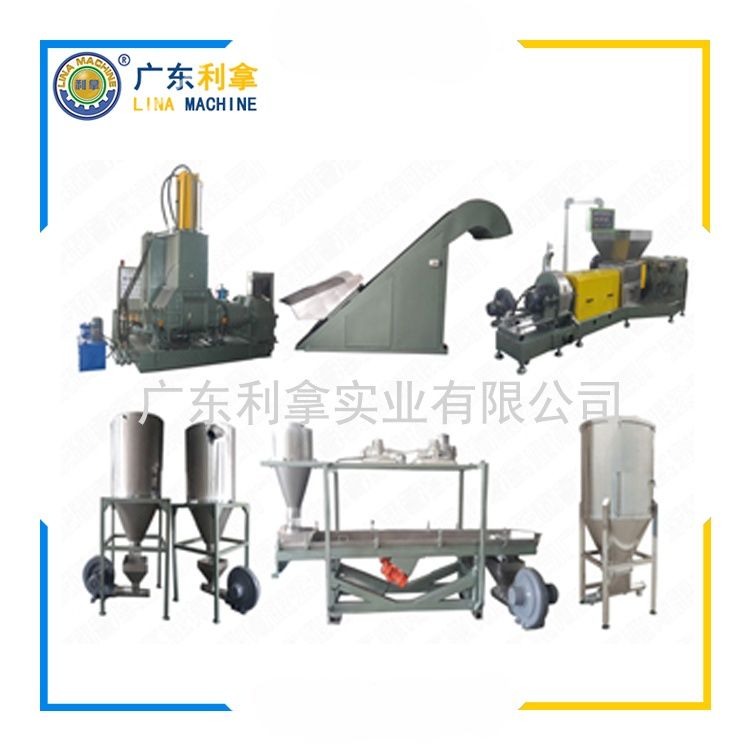
The rubber additive granulation machine operates on several principles, including extrusion, compression, and melt blending. During the extrusion phase, the raw materials are fed into the machine, which then heats them to a suitable temperature for mixing. The melted material is then extruded through a die, where it is compressed and granulated into pellets. In the compression phase, the pellets are further compacted to ensure they have a consistent size and shape. Finally, during the melt blending phase, the pellets are mixed with other additives and other components of the rubber compound to create a homogeneous mixture.
One of the key benefits of using a rubber additive granulation machine is the ability to produce high-quality additive pellets at a consistent rate. This not only saves time and labor but also ensures that the final product meets industry standards. Additionally, the machine's advanced technology allows for precise control over the granulation process, enabling manufacturers to tailor their additive pellets to specific requirements.
In conclusion, the rubber additive granulation machine is a critical component of the rubber processing industry. Its ability to produce high-quality additive pellets at a consistent rate has made it an essential tool for manufacturers looking to enhance their products' performance and durability. As the demand for sustainable and eco-friendly materials continues to grow, the use of these machines will only become more prevalent in the future.