



The Development and Application of Hydrogen Fuel Cell Bipolar Plate Rolling Line
The hydrogen fuel cell, also known as the proton exchange membrane fuel cell (PEMFC), is a promising clean energy technology that converts hydrogen into electricity through an electrochemical reaction. In this process, the bipolar plates play a crucial role in providing a stable interface between the cathode and anode electrodes. As a result, the production of high-quality bipolar plates has become a focal point in the development of hydrogen fuel cell technology.
One of the key processes in the production of bipolar plates is the rolling line. This article will discuss the development and application of the hydrogen fuel cell bipolar plate rolling line, including its design, manufacturing process, and performance evaluation.
Design of the Hydrogen Fuel Cell Bipolar Plate Rolling Line
The design of the hydrogen fuel cell bipolar plate rolling line is crucial for ensuring the quality and consistency of the bipolar plates produced. The main components of the rolling line include the roll forming machine, pressurization system, cooling system, and inspection system.
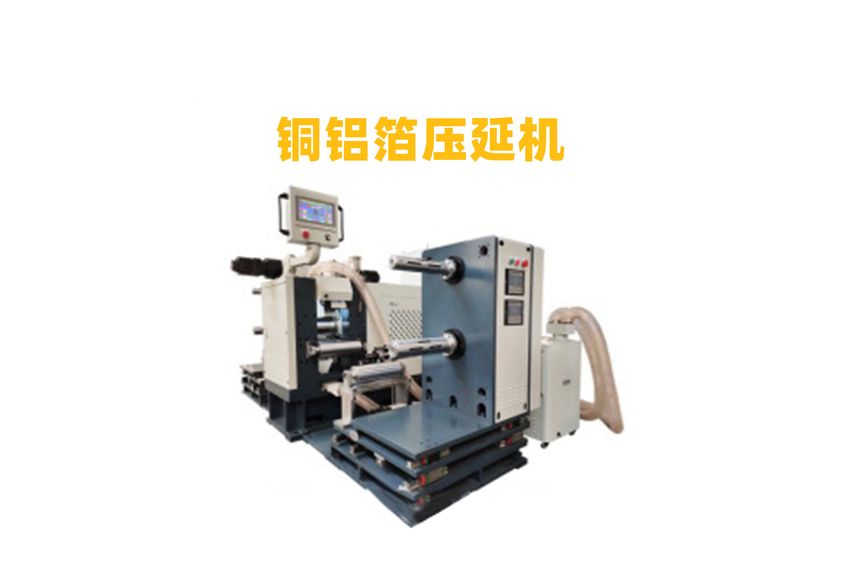
Roll Forming Machine: The roll forming machine is responsible for shaping the bipolar plates into the desired shape and size. It uses high-precision rollers to ensure that the bipolar plates have uniform thickness and good surface quality.
Pressurization System: The pressurization system is used to apply pressure to the bipolar plates during the rolling process. This helps to improve the adhesion between the bipolar plates and the metal sheet, which is essential for their performance in the fuel cell.
Cooling System: The cooling system is used to maintain a constant temperature during the rolling process. This prevents the bipolar plates from being damaged due to excessive heat.
Inspection System: The inspection system is used to check the quality of the bipolar plates produced. It includes various inspection tools such as microscopes, X-ray machines, and ultrasonic scanners.
Manufacturing Process of the Hydrogen Fuel Cell Bipolar Plate Rolling Line
Once the bipolar plates are formed, they are then subjected to further processing steps. These include cleaning, polishing, and coating. Cleaning removes any residual material or impurities from the bipolar plates. Polishing smoothens the surface of the bipolar plates and enhances their performance. Coating adds a protective layer to the bipolar plates, which helps to prevent corrosion and improve their durability.
Performance Evaluation of the Hydrogen Fuel Cell Bipolar Plate Rolling Line
After the bipolar plates have been processed, they are tested for their performance in the fuel cell. Test results show that the bipolar plates produced using the hydrogen fuel cell bipolar plate rolling line have excellent mechanical properties, high strength, and good electrical conductivity. They also exhibit good thermal stability and resistance to corrosion.
Conclusion
The development and application of the hydrogen fuel cell bipolar plate rolling line have significantly improved the quality and consistency of bipolar plates produced. By adopting advanced manufacturing technologies and testing methods, we can further optimize the performance of the bipolar plates and promote the development of clean energy technology.