
The Laboratory Rolling Mill: A Critical Component in Chemical and Materials Science
The laboratory rolling mill, also known as a laboratory extruder or laboratory extrusion machine, is an essential tool for the production of various materials such as plastics, rubber, and composites. It is a versatile piece of equipment that can be used to process a wide range of materials at different stages of their processing cycle. In this article, we will explore the basic principles of operation, the benefits of using a laboratory rolling mill, and some common applications in the field of materials science and engineering.
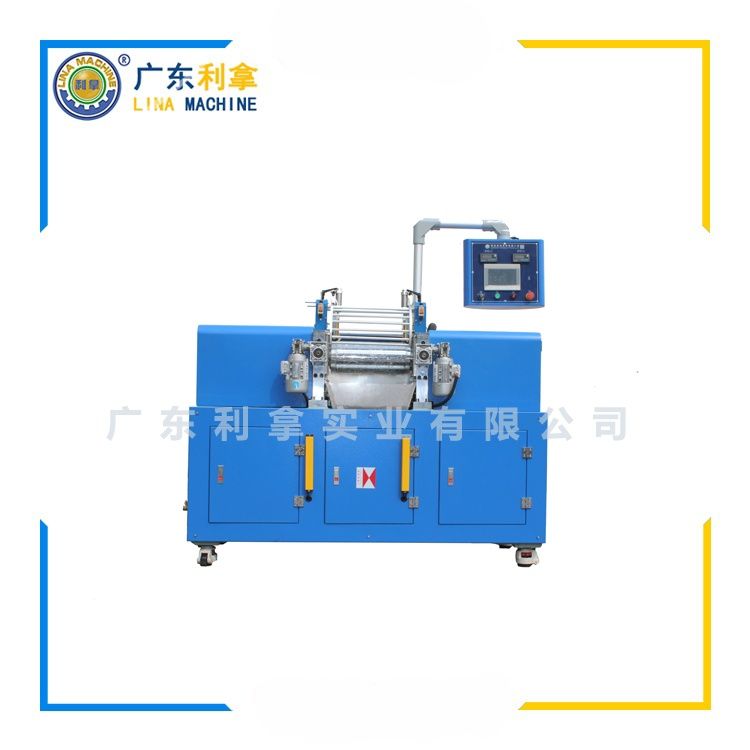
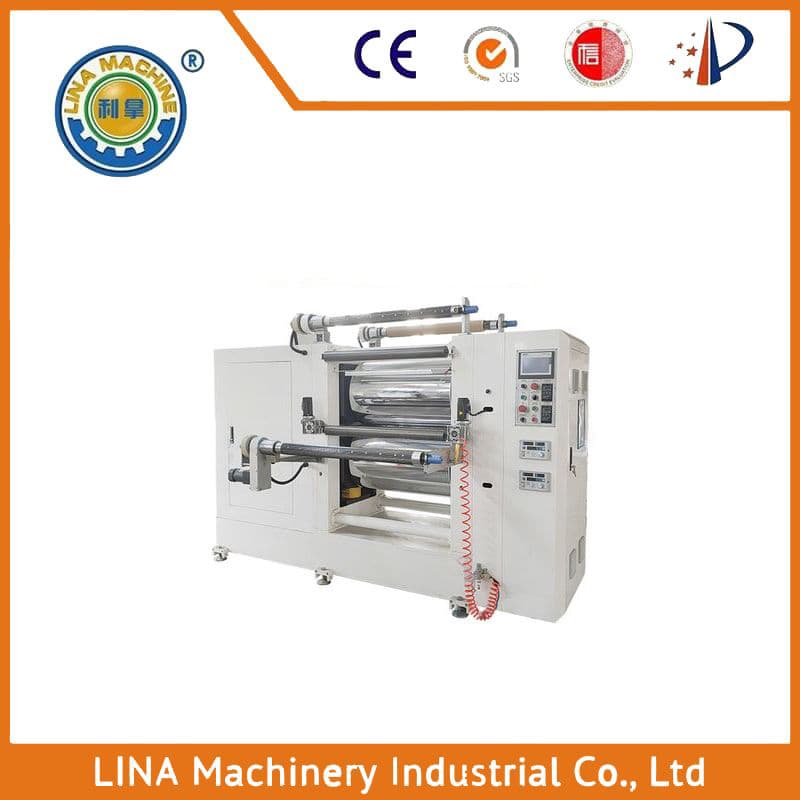
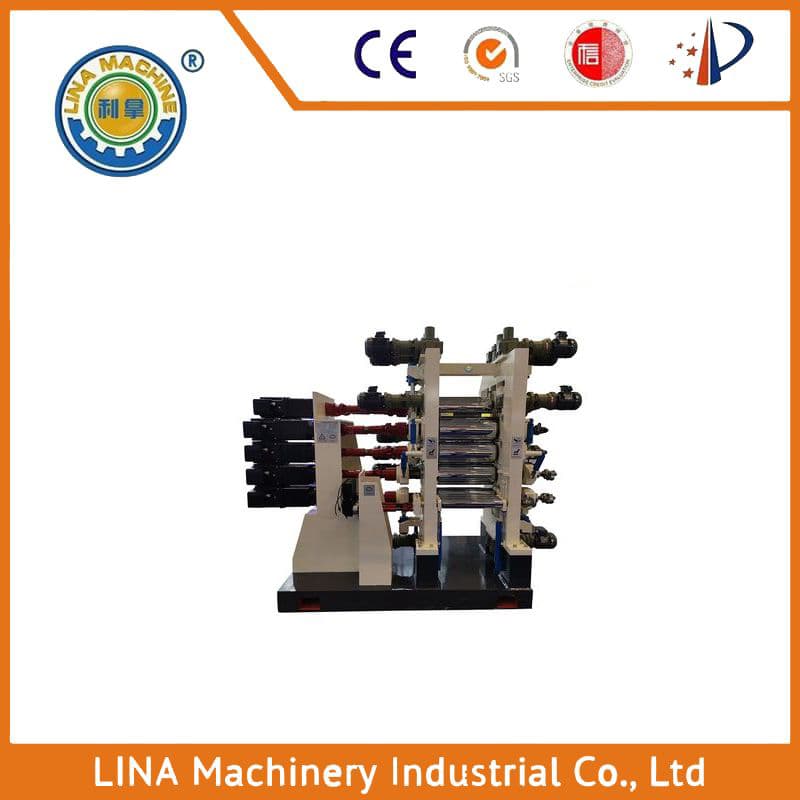
At its core, the laboratory rolling mill consists of a rotating barrel with a series of rollers that pressurize the material being processed. As the material enters the barrel, it is forced through the rollers, which exert pressure on the material and cause it to flow into a die. This process is repeated multiple times, resulting in the formation of a continuous filament or extrudate. The speed and pressure of the rollers can be adjusted to control the properties of the extrudate, such as its thickness, density, and mechanical strength.
One of the key advantages of using a laboratory rolling mill is its flexibility. Unlike large-scale industrial machines, these devices are compact and easy to maneuver, making them ideal for small-scale research and development projects. They allow researchers to test new materials and processes without the need for expensive and complex equipment. Additionally, they provide a cost-effective way to produce small batches of high-quality products.
In the field of materials science, the laboratory rolling mill is widely used to study the behavior of polymers and other thermoplastics. By controlling the temperature, pressure, and flow rate of the material, researchers can investigate how these factors affect its physical properties, such as viscosity, crystallinity, and toughness. This information is crucial for developing new materials with improved performance and functionality.
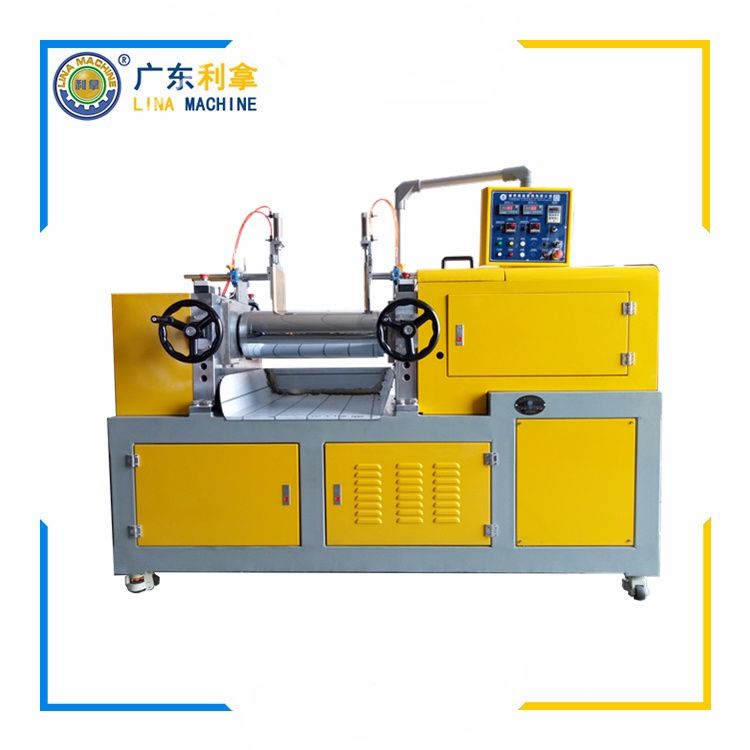
Another application of the laboratory rolling mill is in the production of composite materials. These materials are made by combining two or more dissimilar materials together, often using a matrix material to hold the other components together. The laboratory rolling mill can be used to process these materials by mixing them before extrusion, resulting in a uniform and consistent product. This technique has been particularly successful in producing lightweight and strong composites for use in automotive, aerospace, and sports equipment industries.
In conclusion, the laboratory rolling mill is a critical component in the field of materials science and engineering. Its ability to process a wide range of materials at different stages of their processing cycle makes it an indispensable tool for researchers and industry professionals alike. With its flexibility, cost-effectiveness, and ability to produce high-quality products, the laboratory rolling mill is poised to play an increasingly important role in the future of materials science and technology.