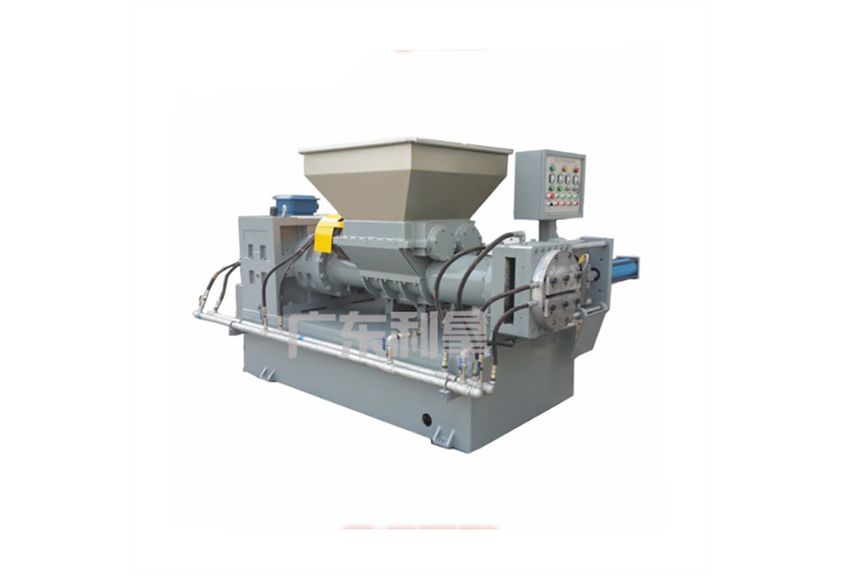
Understanding the Forced Feed Extruder
The forced feed extruder is a crucial component in many industrial processes, particularly in the plastics and rubber industries. This machine uses high-pressure air or water to force material through a die at a consistent rate, resulting in a uniform product with consistent quality. In this article, we will explore the working principles of the forced feed extruder, its applications, and some tips for maintaining its efficiency and performance.
Firstly, let's understand the basic working principle of the forced feed extruder. The machine consists of a hopper, a screw, a die, and a conveyor belt. The material enters the hopper and is then transported to the screw by the motorized drive. As the screw rotates, it forces the material through the die, which is designed to create the desired shape and size of the final product. The pressure applied by the screw helps to compact the material and ensure a smooth flow of the product through the die. The product then exits the die and is conveyed to the conveyor belt, where it is collected and packaged for further processing or sale.
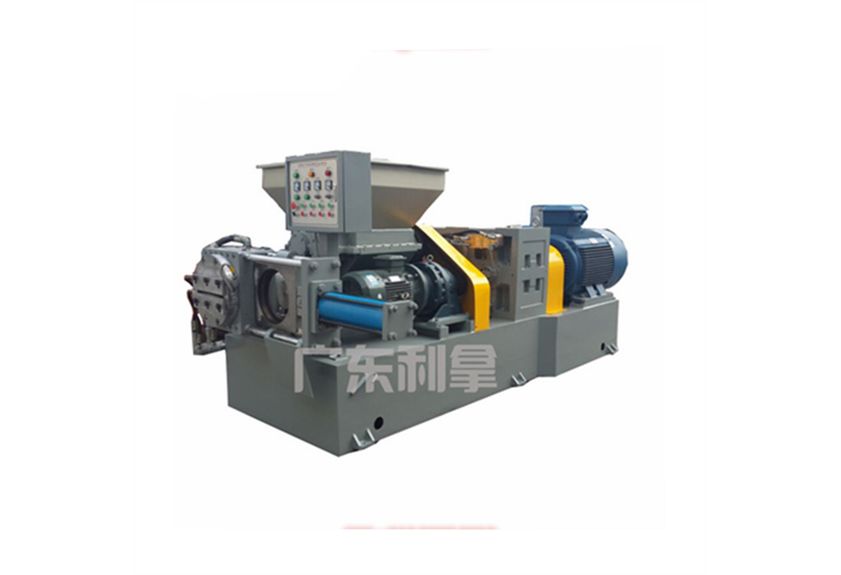
In terms of applications, the forced feed extruder is widely used in the production of various products such as pipes, profiles, and sheet materials. It can also be used to process thermoplastics, thermosets, and other types of polymers. Some common applications include the production of pipes for water supply systems, building materials for construction, and electrical wiring insulation.
To maintain the efficiency and performance of the forced feed extruder, there are several key factors to consider. Firstly, regular maintenance is essential to ensure that all moving parts are functioning properly. This includes checking the screw for wear and tear, lubricating the bearings, and inspecting the conveyor belt for any damage or wear. Secondly, proper feeding techniques are crucial for achieving consistent product quality. This includes ensuring that the material is fed into the extruder at a consistent rate and using appropriate feeding devices such as hoppers and feeders. Finally, optimizing the operating parameters such as temperature, pressure, and screw speed can significantly improve the performance of the extruder and reduce downtime.
In conclusion, the forced feed extruder is an essential tool in many industrial processes, particularly those involving the production of plastics and rubber products. By understanding its working principles and applying proper maintenance techniques, operators can ensure optimal performance and consistent product quality.