The Art of Sulfurizing Machines: A Comprehensive Guide
Sulfurization is a crucial process in the manufacturing industry, particularly in the automotive and electronics sectors. It involves the conversion of metals into their sulfurized form, which enhances their corrosion resistance, electrical conductivity, and other properties. In this article, we will explore the various types of sulfurization machines available in the market, their applications, and how they work.
Firstly, there are two main types of sulfurization machines: batch and continuous. Batch machines are used for small-scale production, while continuous machines are ideal for large-scale operations. Both types have their advantages and disadvantages, but they serve different purposes in the sulfurization process.
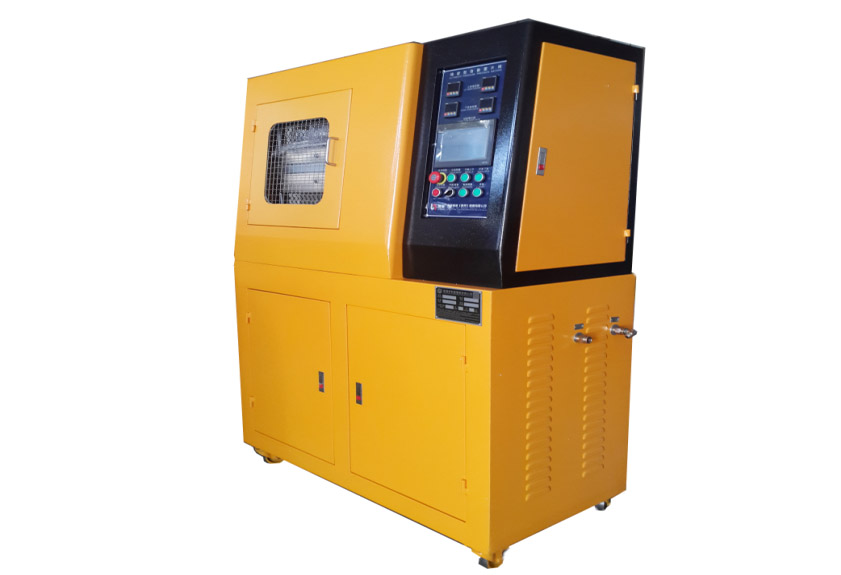
The first type of sulfurization machine is the batch sulfurizer. This machine is designed to handle small batches of metal samples, allowing for precise control over the sulfurization process. It typically consists of a furnace, a heating element, and a sulfurizing agent. The metal sample is placed in the furnace, where it undergoes a controlled sulfurization reaction with the sulfurizing agent. The resulting sulfurized material is then removed from the furnace and processed further.
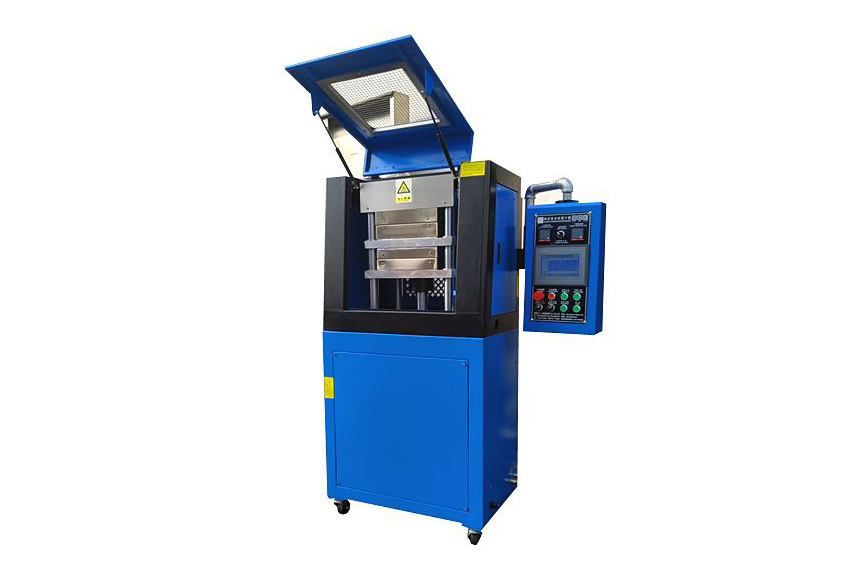
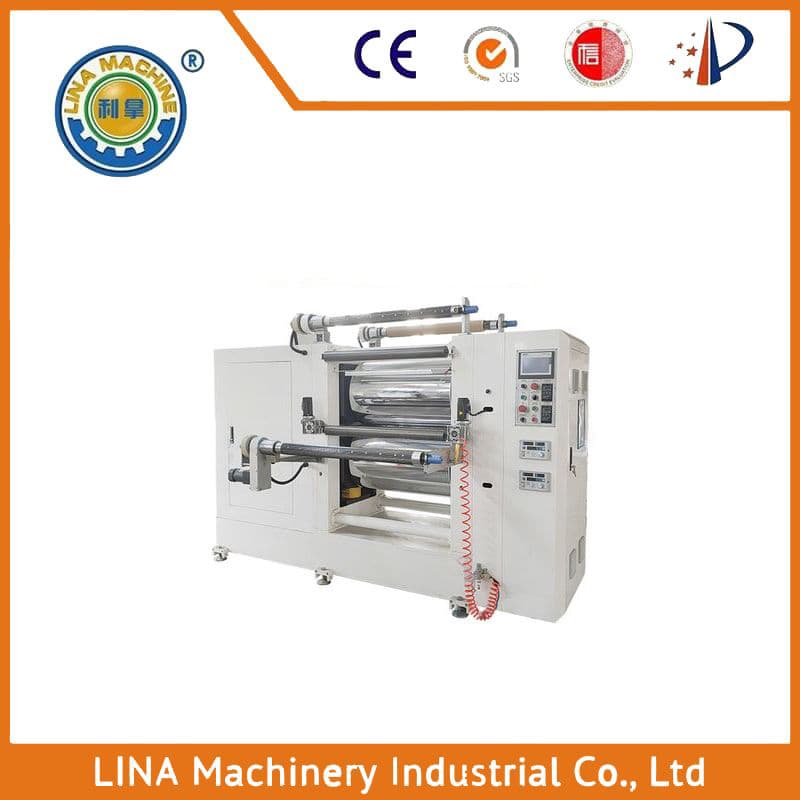
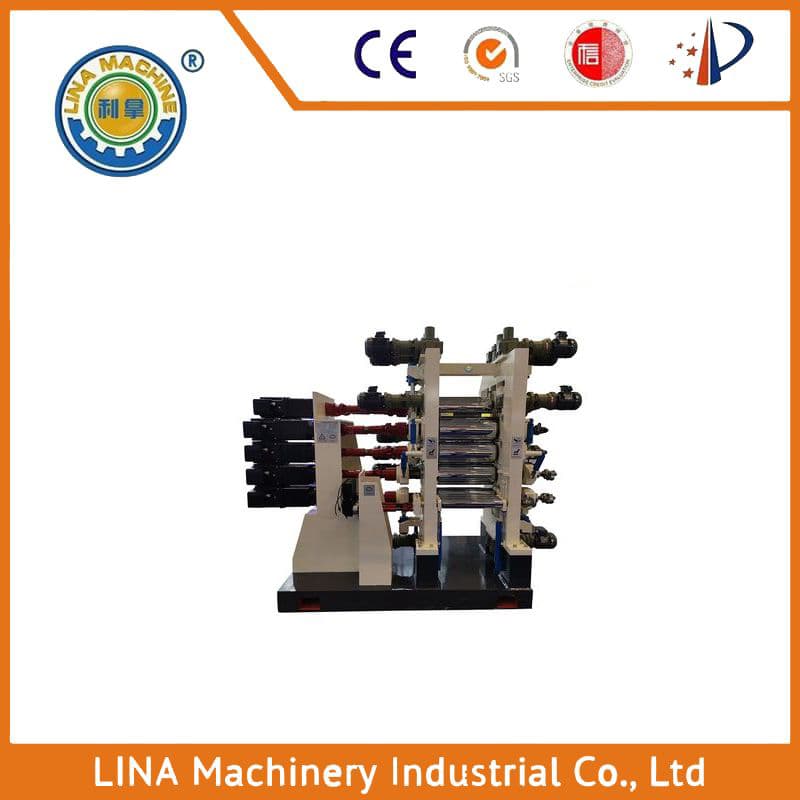
Continuous sulfurization machines, on the other hand, are designed to process large volumes of metal samples simultaneously. They use a series of furnaces and heating elements to heat the metal samples continuously, allowing for efficient and cost-effective sulfurization. The sulfurizing agent is injected into each furnace, and the metal samples pass through them one by one. The sulfurized material is then collected and processed as needed.
Both types of sulfurization machines rely on the principle of chemical reactions to convert metals into their sulfurized form. The sulfurizing agent reacts with the metal sample, forming a sulfur compound that bonds with the metal. The resulting product is then removed from the machine and processed further.
In conclusion, sulfurization machines play an essential role in the manufacturing industry, particularly in the automotive and electronics sectors. By understanding the different types of sulfurization machines available and their applications, manufacturers can optimize their processes and achieve higher yields and quality products.