



The Art of Plastic and Rubber Composite Granulation Production Line
The production line for plastic and rubber composite granulation is a crucial step in the manufacturing process of various products, such as automotive parts, electrical equipment, and construction materials. This article will provide an overview of the key components of this production line, including the mixing, granulation, and compounding stages, as well as the importance of quality control and environmental considerations.
At the heart of the production line is the mixing stage, where raw materials such as polyethylene, polypropylene, and natural rubber are combined to create a homogeneous mixture. The mixing process is essential for ensuring that the final product has the desired properties, such as strength, flexibility, and resistance to weathering. The mixing equipment used in this stage may include screw extruders, twin-screw extruders, and blow molders, among others.
After the mixing stage, the granulation process takes place, where the mixed material is processed into small pellets or beads. This stage is critical in achieving the desired shape and size of the final product. The granulation process may involve extrusion, compression, or injection molding techniques, depending on the specific requirements of the product.
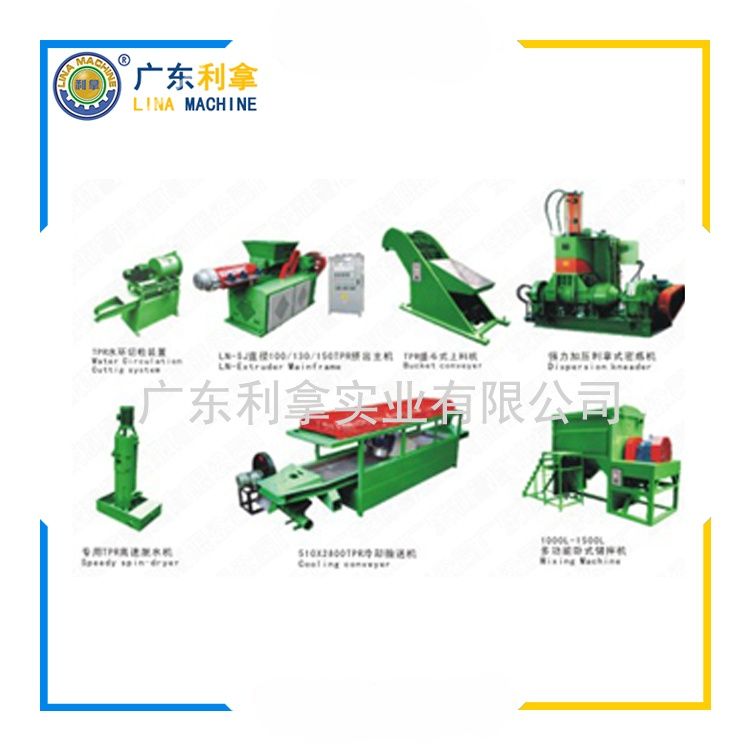
Once the granulation process is complete, the compounding stage follows. In this stage, the granulated material is mixed with other additives such as fillers, pigments, and flame retardants to improve its performance and durability. The compounding process may be done manually or using automated equipment, depending on the complexity of the product and the desired level of consistency.
Quality control is a critical aspect of the production line, as it ensures that the final product meets the required standards. Regular inspections of the equipment, raw materials, and finished products are conducted to identify any defects or issues that may affect the product's performance or safety. Additionally, regular training and education programs are provided to ensure that all employees are up-to-date with best practices and industry standards.
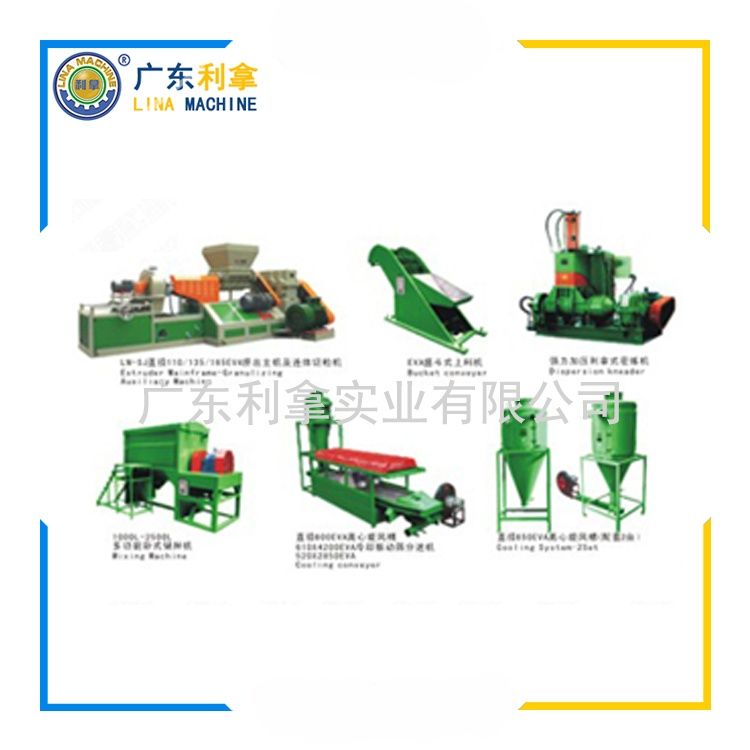
Environmental considerations are also important when producing plastic and rubber composite granulation. The use of sustainable materials and energy-efficient processes can help reduce waste and carbon emissions, while minimizing the impact on the environment. Furthermore, proper disposal methods must be implemented to ensure that the end-of-life products do not pose a hazard to the environment.
In conclusion, the production line for plastic and rubber composite granulation is a complex process that requires careful attention to detail. From the mixing stage to the compounding stage, each step plays a vital role in creating high-quality products that meet the needs of customers around the world. By prioritizing quality control and environmental sustainability, companies can continue to thrive in today's competitive market.