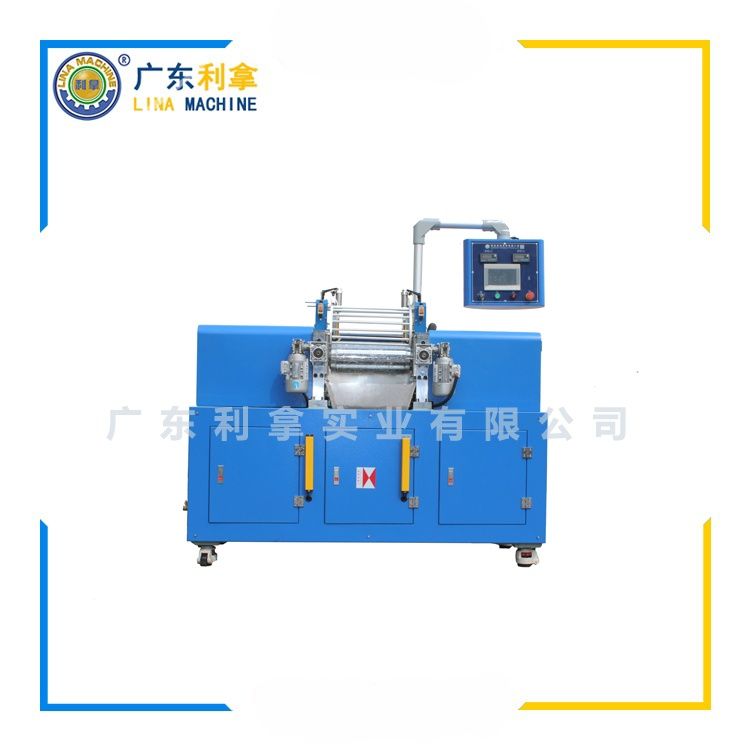
The Art of Mixing: An Insight into the World of Mixing Machines
Mixing machines are an essential tool in the industrial world, used to blend and combine materials in a precise and controlled manner. From simple batch mixing to complex compounding processes, these machines play a crucial role in various industries such as food, pharmaceuticals, and chemical engineering. In this article, we will explore the different types of mixing machines, their applications, and some tips for maintaining them effectively.
Firstly, there are two main types of mixing machines: mechanical and electrical. Mechanical mixers use rotating blades or rollers to break down and homogenize the ingredients. These machines are commonly used in food processing and pharmaceutical manufacturing. Electrical mixers, on the other hand, use high-frequency vibrations to mix the ingredients. They are ideal for mixing powders and liquids that are difficult to handle with traditional mechanical methods.
In addition to their primary function, mixing machines also come in various sizes and configurations to suit specific needs. Some common models include planetary mixers, ribbon mixers, and twin-screw extruders. Planetary mixers are ideal for small batches and require less energy than other types of mixers. Ribbon mixers are designed for continuous operation and can handle larger volumes of material. Twin-screw extruders are versatile and can be used for a wide range of applications, from plastic extrusion to compounding.
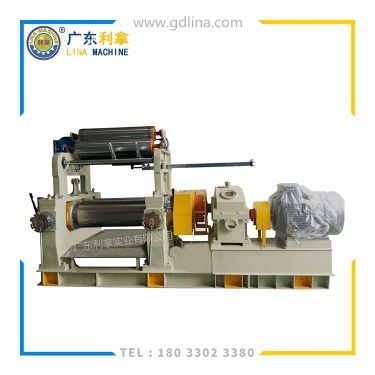
When it comes to choosing the right mixing machine for your project, there are several factors to consider. Firstly, you need to determine the type of material you will be mixing and the desired consistency. Secondly, think about the size and capacity of the machine required for your process. Finally, consider the cost and maintenance requirements of each model.
To ensure the longevity and efficiency of your mixing machine, regular maintenance is essential. This includes cleaning the equipment regularly to remove any debris or impurities that could affect the quality of the product. Additionally, checking the seals and gaskets for any signs of wear and tear is important to prevent leaks and contamination.
In conclusion, mixing machines play a vital role in many industries, from food production to pharmaceutical development. By understanding the different types of machines available and considering factors such as application, size, and cost when selecting one, you can ensure that your mixing process is efficient and effective. Regular maintenance is also key to maintaining the performance and reliability of your equipment.