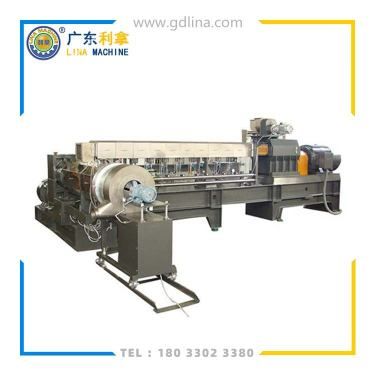
Understanding the EVA, TPR, and PVC Pulping Processes
In the realm of polymer processing, the utilization of different types of plastics has become increasingly prevalent. Among these, EVA (Ethylene Vinyl Acetate), TPR (Thermoplastic Rubber), and PVC (Polyvinyl Chloride) are some of the most commonly used materials in the production of various products. The pulping process is a crucial step in the manufacturing process of these materials, as it involves the conversion of raw materials into a form that can be processed further. In this article, we will explore the EVA, TPR, and PVC pulping processes in detail.
Firstly, let's discuss the EVA pulping process. EVA is a thermoplastic elastomer that is widely used in the production of various products such as carpets, hoses, and packaging films. The EVA pulping process involves the melt-blending of EVA with other additives such as stabilizers, antioxidants, and colorants. The resulting mixture is then extruded through a die to produce a continuous filament or sheet. The filament or sheet is then cut into pellets or chips for further processing.
Next, let's look at the TPR pulping process. TPR is a thermoplastic rubber that is used in the production of automotive parts, electrical components, and other industrial applications. The TPR pulping process involves the melt-blending of TPR with other additives such as fillers, pigments, and flame retardants. The resulting mixture is then extruded through a die to produce a continuous filament or sheet. The filament or sheet is then cut into pellets or chips for further processing.
Finally, let's discuss the PVC pulping process. PVC is a thermoplastic resin that is widely used in the production of various products such as pipes, pipes, and flooring. The PVC pulping process involves the melt-blending of PVC with other additives such as stabilizers, antioxidants, and colorants. The resulting mixture is then extruded through a die to produce a continuous filament or sheet. The filament or sheet is then cut into pellets or chips for further processing.
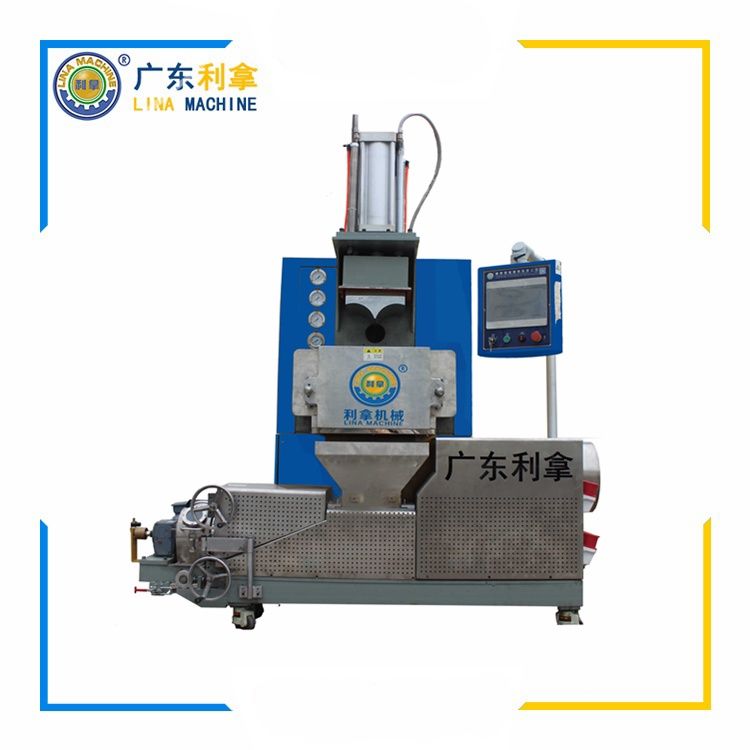
In conclusion, the EVA, TPR, and PVC pulping processes are essential steps in the manufacturing process of these materials. Each process involves the melt-blending of raw materials with additives to produce a final product that can be processed further. By understanding these processes, manufacturers can optimize their production methods and improve the quality of their products.