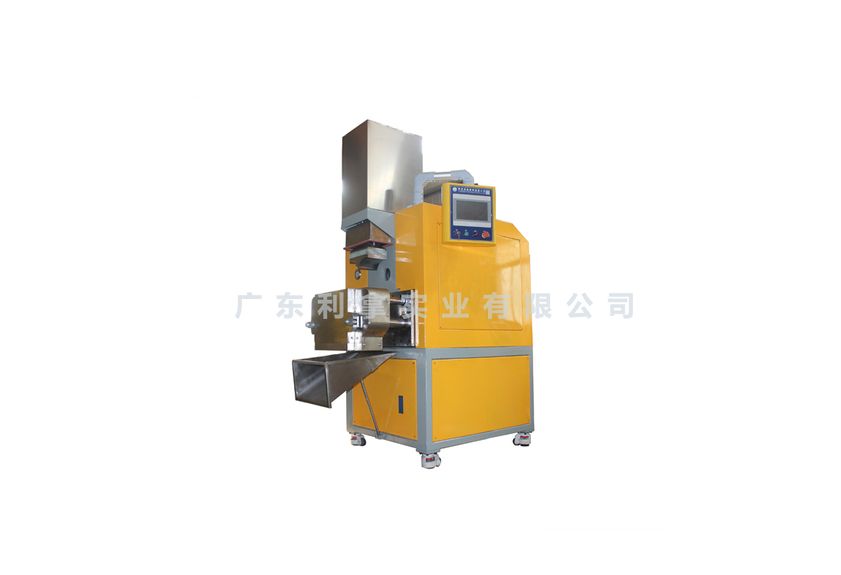
Understanding the Powder Metallurgy Vacuum Mixing Machine
The powder metallurgy (PM) industry is a crucial sector in the manufacturing of high-quality metal parts. One of the key processes in PM is the vacuum mixing process, which involves the use of a vacuum mixing machine to achieve a homogeneous distribution of alloying elements within the powder matrix. This article will explore the features and benefits of a typical powder metallurgy vacuum mixing machine, commonly referred to as a "powder metallurgy vacuum mixer."
A powder metallurgy vacuum mixer is an essential tool for the PM process, enabling the creation of high-quality metal parts with precise control over the alloying elements. The machine works by creating a vacuum environment inside the chamber, which allows the powder to be mixed evenly with the desired alloying elements. This process ensures that the alloying elements are distributed uniformly throughout the powder matrix, resulting in a more consistent final product.
One of the key advantages of using a powder metallurgy vacuum mixer is its ability to produce parts with superior mechanical properties. The vacuum mixing process helps to eliminate porosity and improves the density of the final product, leading to stronger and more durable parts. Additionally, the use of a vacuum mixer can help to reduce the amount of energy required for the PM process, making it more cost-effective.
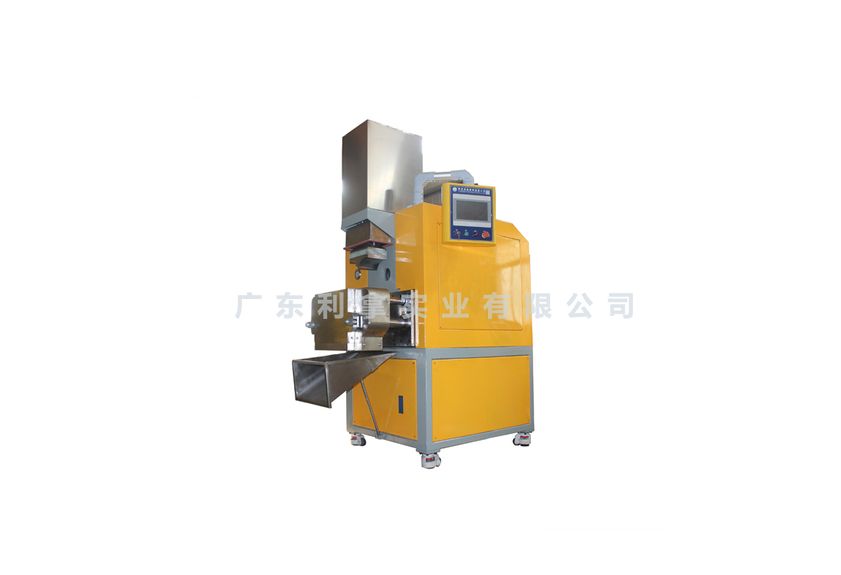
Another significant benefit of using a powder metallurgy vacuum mixer is its ability to produce parts with a higher level of precision. The machine's advanced control system allows for precise adjustments of the alloying elements, ensuring that each part meets the required specifications. This level of precision is particularly important when producing complex or delicate parts, where even a small variation in the alloying elements can have a significant impact on the final product's performance.
In conclusion, the powder metallurgy vacuum mixer is a critical tool in the PM process, offering numerous advantages such as improved mechanical properties, reduced energy consumption, and increased precision. By utilizing this technology, manufacturers can produce high-quality metal parts with greater consistency and efficiency.