



Understanding the Forced Feed Extruder
The forced feed extruder is a critical component in the manufacturing industry, particularly in the production of plastics and other thermoplastic materials. This machine is designed to ensure that the raw material is evenly distributed throughout the extruder barrel, which helps to achieve consistent quality and yield. In this article, we will explore the working principles of a forced feed extruder, its applications, and some common issues that may arise during its operation.
The basic principle behind a forced feed extruder is that it uses a screw or other type of rotating mechanism to force the raw material through the extruder barrel. The force applied by the screw causes the material to be stretched and elongated, which results in a more uniform distribution of the material throughout the barrel. This process is essential for ensuring that the final product has consistent properties and quality.
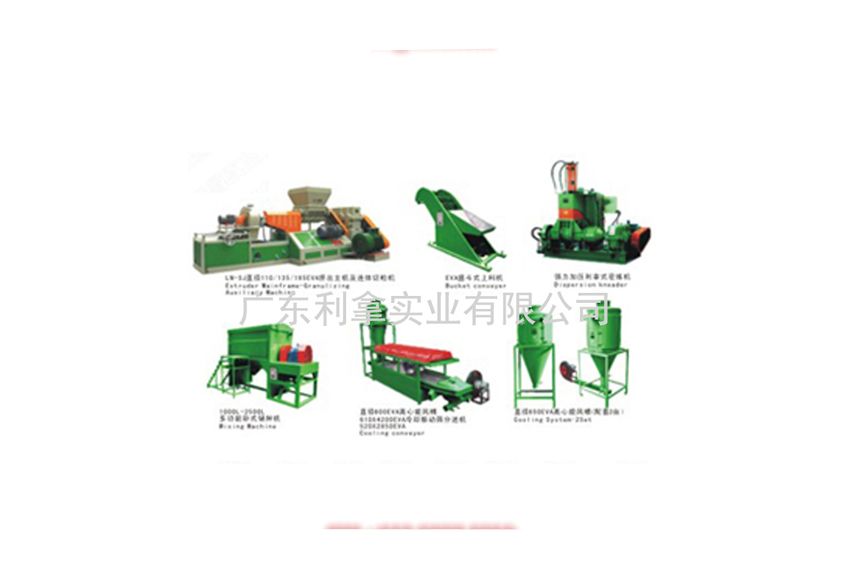
One of the main applications of a forced feed extruder is in the production of plastic products such as toys, packaging, and automotive parts. By using this machine, manufacturers can produce high-quality plastic products with consistent dimensions and shapes. Additionally, forced feed extruders are often used in the production of composite materials, where different types of materials are mixed together to create a stronger and more durable product.
However, like any machine, a forced feed extruder can encounter some common issues during its operation. One of the most common problems is jamming, which occurs when the raw material becomes too thick or sticky and cannot pass through the extruder barrel. To prevent this issue, manufacturers may need to adjust the temperature of the raw material or use a different type of feeder system. Another problem that can occur is wear and tear on the screw or other moving parts of the machine, which can affect its efficiency and performance.
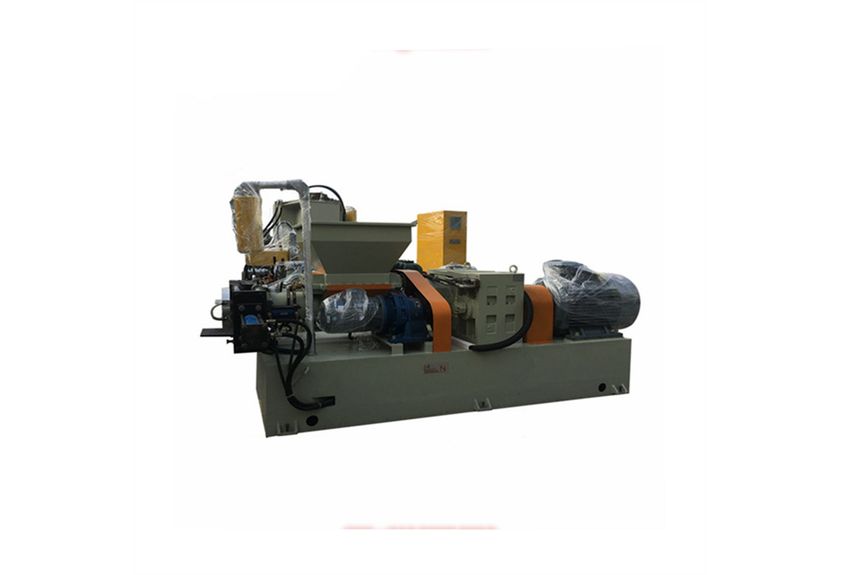
In conclusion, the forced feed extruder is an essential tool in the manufacturing industry, particularly for the production of thermoplastic materials. By understanding its working principles and potential issues, manufacturers can optimize their operations and achieve consistent quality and yield.